The BRRRR Refinance Step: Timing, Seasoning, and Appraisals
The BRRRR refinance step can stall your capital if timed wrong. See how seasoning periods, ARV appraisals, and DSCR cash-out refinancing fit together.
Quick answer
The BRRRR refinance step replaces short-term rehab financing with a long-term loan sized on the property's after-repair value, and most lenders require a seasoning period, commonly six months, before using that higher value. It depends on the appraisal reflecting finished work, and most investors exit into a DSCR refinance once the property is rented.
7 min read
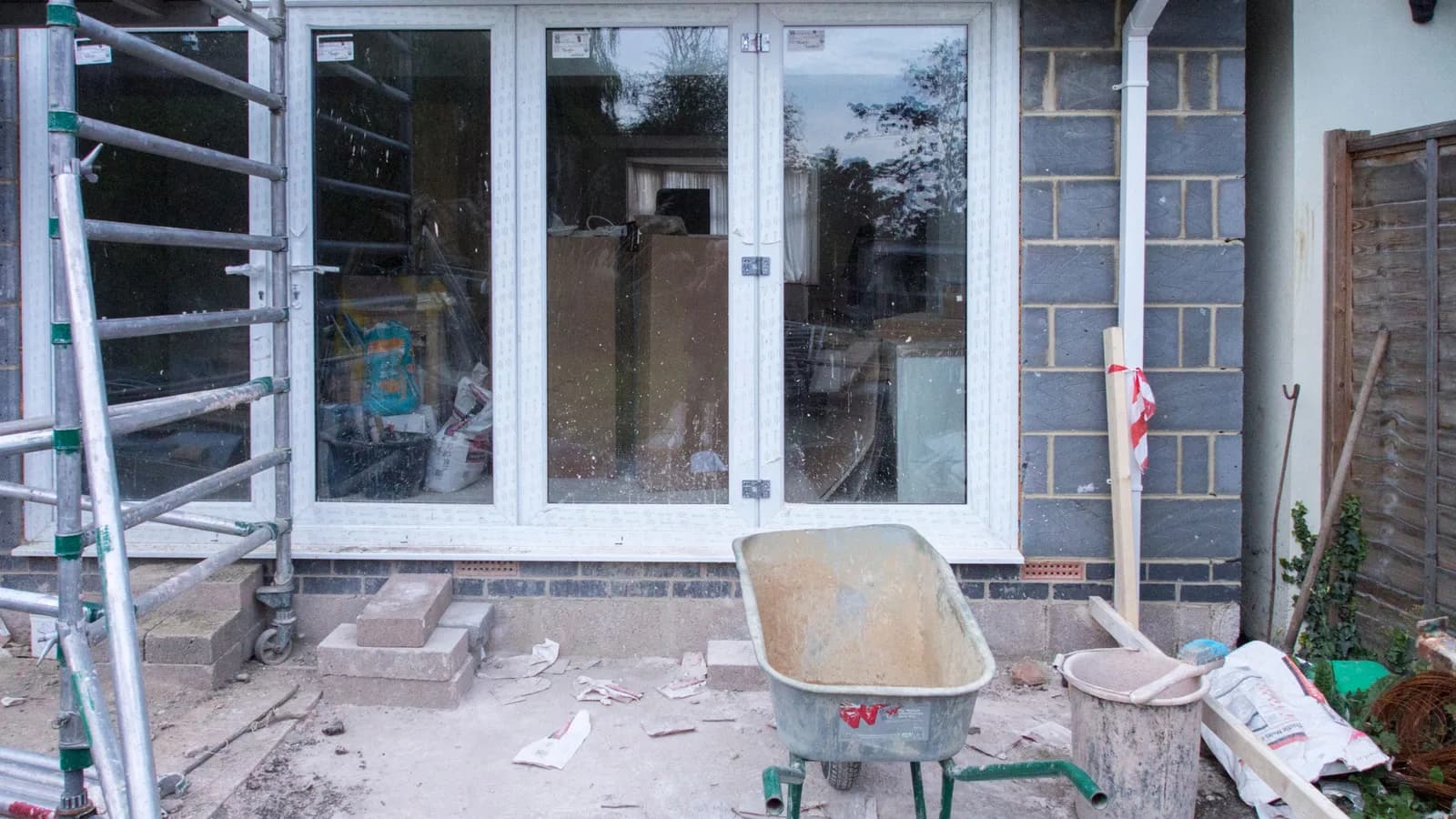
Photo: Brett Jordan / Pexels
In this article
Buy, rehab, rent, refinance, repeat. The first three steps of BRRRR get most of the attention — finding the deal, funding the renovation, placing a tenant. But the fourth step, the refinance, is where the strategy actually proves itself. It's the point where a property either hands back the capital you put into it so you can buy the next one, or ties that capital up longer than planned.
The refinance step also has more moving parts than investors expect going in: a seasoning clock, an appraisal that has to reflect finished work rather than a renovation project, and a new loan that typically qualifies differently than the hard money or bridge financing used to buy and rehab the property. Here's how the timing, the appraisal, and the refinance itself actually fit together.
What changes at the refinance step
Everything before the refinance is temporary by design. Hard money and bridge loans are priced and underwritten for a short hold — they get you to closing fast and fund rehab, but they're not meant to sit on the property for years. The refinance step swaps that short-term debt for a long-term loan, and in the process resets what the loan is based on: instead of the price you paid for a distressed property, the new loan is sized off what the property is worth today, after the rehab is done.
That difference — purchase price versus after-repair value (ARV) — is the entire mechanism behind "recycling" capital in BRRRR. If the rehab genuinely added value, the refinance can return some or all of the cash an investor put into the purchase and renovation, because the new loan is based on the higher, post-rehab number.
Curious what refinancing could save you? Run your numbers →
Get startedThe seasoning period: the clock most investors underestimate
Most lenders won't refinance a recently purchased property based on its new, higher value right away. They require a seasoning period — commonly six months of ownership, though the exact requirement varies by lender and loan type — before they'll underwrite a refinance using the after-repair value instead of the original purchase price. Refinance before that window closes and many lenders will size the loan off the lower purchase price instead, which defeats the purpose of refinancing at all.
This is usually the part of BRRRR that stretches an investor's timeline the most. Rehab might wrap in a couple of months; finding and placing a qualified tenant might take another month or two. Add a seasoning requirement on top of that, and the gap between closing on the purchase and closing on the refinance is commonly several months longer than first-time BRRRR investors budget for — which matters directly for how long the short-term financing needs to be carried, and at what cost.
The appraisal has to reflect finished work
A refinance appraisal ordered too early is one of the most common ways this step underperforms. If an appraiser walks a property with exposed subfloor, missing fixtures, or an unfinished kitchen, the appraisal will reflect that condition — not the plan for what the property will look like once the work is done. The after-repair value only shows up in an appraisal once the repair is actually complete and, ideally, once nearby comparable sales support the higher number.
It's also worth confirming permits are closed out before the appraisal, where the rehab required them. An appraiser or underwriter who finds open permits on a property can flag the file, which commonly delays the refinance rather than simply discounting the value.
Exiting into a DSCR loan
Once a property is rehabbed and rented, the most common long-term exit is a DSCR refinance — a loan that qualifies on the property's rental income rather than the investor's personal income or tax returns. That fit isn't a coincidence: BRRRR investors are frequently scaling a portfolio faster than their personal income and debt-to-income ratio can support on conventional financing, and DSCR underwriting sidesteps that ceiling by looking at the property instead of the borrower. Our rental cash-out refinance guide covers the mechanics of pulling cash out on a stabilized rental in more depth if you haven't run that math before.
A signed lease also does more work on a BRRRR refinance than on a typical DSCR refinance, since it demonstrates the property is performing at or near the rent assumption the whole deal was underwritten on. A vacant or recently-placed tenant can still qualify with many lenders, but a seasoned lease generally gives the appraisal and underwriting file less to question.
How much cash actually comes back out
The refinance loan amount is capped by the lender's maximum loan-to-value for a cash-out refinance on a non-owner-occupied property — not by how much the investor wants back. In practice, that means the new loan pays off the existing short-term debt first, covers closing costs, and only what's left above that goes back to the investor as cash. A property that appraises well above its all-in cost can return most or all of the invested capital; one that appraises only modestly above cost may return little or none, even though the rehab itself went fine.
The 4Homes weekly email
Every Tuesday: what changed for homeowners this week, plus our newest guides.
No spam. Unsubscribe anytime.
A worked example
Say an investor buys a distressed single-family property for $150,000 using a bridge loan, spends $40,000 on rehab, and brings the all-in cost to $190,000 plus short-term financing costs. After six months of seasoning and a signed lease in place, the property appraises for $260,000. The lender's maximum cash-out loan-to-value for this deal results in a new loan of roughly $195,000. That pays off the remaining bridge balance and closing costs, and the difference comes back to the investor as cash — in this scenario, enough to cover most of the original rehab budget. If the same property had appraised at $215,000 instead, the new loan would be smaller and less capital would come back out, even though the property and the rehab work are identical.
Where the refinance step commonly falls short
A handful of issues account for most disappointing BRRRR refinances: the appraisal comes in below the target ARV because comparable sales don't support it yet; the property sits vacant longer than planned, so there's no lease to strengthen the DSCR file; the seasoning period isn't fully met and the lender falls back to purchase price; or short-term financing costs accumulate during a longer-than-expected timeline and eat into the capital the refinance was supposed to return. None of these mean the deal was bad — they mean the refinance step needs to be underwritten conservatively before the purchase, not assumed on the way in.
Getting started
If you're working through the numbers on a BRRRR deal, an investment property specialist can help you compare short-term acquisition financing against the DSCR refinance you're aiming to exit into, and flag where seasoning or appraisal timing is likely to matter most for your specific market. Our DSCR by state data is a useful starting point for comparing how refinance activity trends across markets, and current pricing is always on the live mortgage rates page.
FAQ
Frequently asked questions
How long do I have to wait before refinancing a BRRRR property?+
It depends on the lender and loan type, but many require a seasoning period of around six months of ownership before they'll refinance based on the after-repair value instead of the original purchase price.
Does the refinance use the purchase price or the after-repair value?+
Generally the after-repair value, once any required seasoning period has passed and the appraisal reflects completed work. Refinance too early and many lenders will size the loan off the lower purchase price instead.
Can I do a BRRRR refinance with a DSCR loan?+
Yes — a DSCR refinance is one of the most common exits, since it qualifies the loan on the property's rent rather than the investor's personal income, which fits an investor scaling a portfolio of rentals.
What happens if the appraisal comes in lower than expected?+
The refinance loan amount shrinks along with it, since it's based on the lender's maximum loan-to-value applied to the appraised value. Less cash comes back out, and in some cases the refinance may not fully pay off the existing short-term financing.
Do I need a tenant in place before refinancing?+
Not always, but a signed lease commonly strengthens a DSCR refinance file and gives the lender a stronger basis for the rent assumption than a vacant unit.
How much of my rehab cash can I actually get back?+
That depends entirely on the appraised value relative to your all-in cost and the lender's maximum cash-out loan-to-value — there's no fixed percentage that applies to every deal, which is why running the numbers before you buy matters more than the strategy's general reputation.