4Homes desk
Room Design & Layout Guides
A room usually does not need a renovation. It needs a better layout, the right light, or one piece of furniture sized correctly for the space — decisions that cost far less than tearing out cabinets or moving walls. This desk covers small living rooms, bedrooms that feel cramped, kitchen lighting that never quite works, and how to tell whether solid wood or MDF makes sense for a given piece before you buy it.
Most of these guides start with measurements and constraints, not inspiration boards: the actual dimensions of the room, the furniture you already own, the budget you have set aside. From there they walk through the tradeoffs — what a closet system costs versus a kit, what a realistic one-room refresh budget looks like, how to make a small bedroom read larger without adding square footage. The aim is a room that works better for how you actually live in it, not a full remodel you did not ask for.
13 guides in this desk · see every desk · all homeowner guides
How to use this desk
The guides here work best in a specific order, because the first mistake in most room projects happens before any paint or furniture is bought: nobody measured the actual space against the actual furniture. That's why the reading path starts with measuring, not with the room that gets the most attention (the living room).
Once you have real dimensions, move to layout for the room you're actually dealing with, then lighting if the room still doesn't feel right after the layout is fixed — lighting problems get misdiagnosed as layout or color problems constantly. Budget comes last because it only makes sense once you know what you're actually planning to change.
Most of this desk assumes you're working with the furniture and the room you already have, not a full remodel, which is also why solid wood versus MDF shows up here: it's a buying decision that only makes sense once a layout tells you what piece you actually need and where it has to go. If a project grows past a layout, a lighting fix, or new furniture into something involving walls, electrical, or plumbing, that's the point where it crosses over into the Fix It or Home Care desks instead.
Color and style choices are left loose on purpose across these guides, because taste varies and trends date a page quickly. What doesn't vary is the measuring, the clearances, and the sequencing — get those right first and the paint color or furniture style decision becomes a much smaller, much safer choice to get wrong and redo later.
Start here, in order
- 1How do I measure a room correctly before buying a sofa?
Measure the room, delivery route, clearances, ceiling height, and existing furniture so the sofa fits both your space and your way into it.
- 2Make a small living room work before buying smaller furniture
Use activity zones, clear paths, useful dimensions, lighting, and storage to improve a compact room with what you already own first.
- 3Plan kitchen lighting in layers, not fixtures
Coordinate ambient, task, and accent light with work surfaces, controls, glare, color, and the electrical scope behind the finished look.
- 4What's a realistic budget to refresh one room without a full remodel?
See what separates a room refresh from a remodel, then price your own budget from your problem list instead of a borrowed number.
Section 01
Rooms & design
Make rooms work and feel better with thoughtful layouts, light, color, storage, and smaller changes.
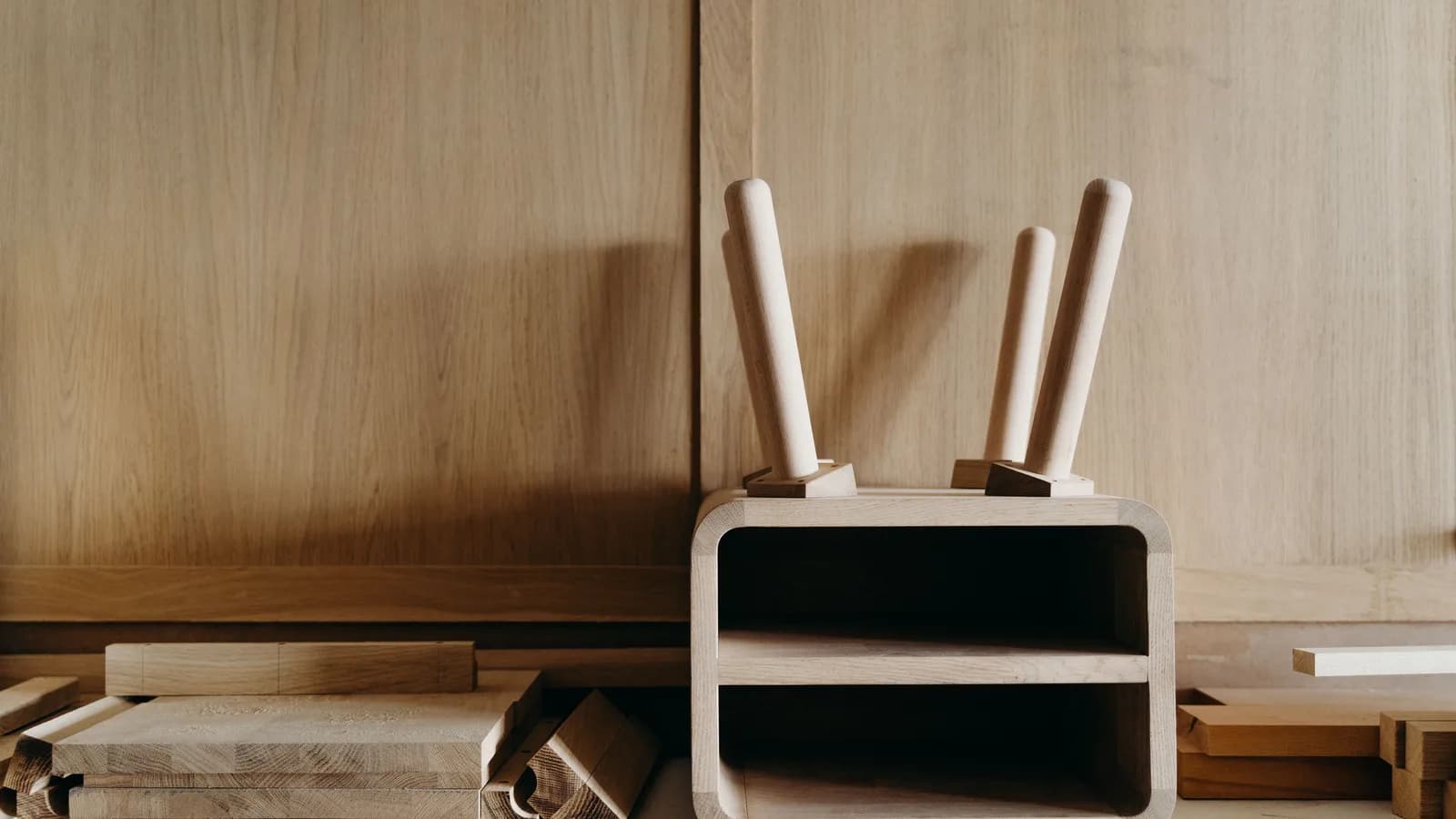
Solid wood vs. MDF furniture: is the extra cost worth it?
Compare solid wood and MDF by component load, moisture, fasteners, finish, repair options, anchoring, and documented TSCA Title VI compliance.
Open guide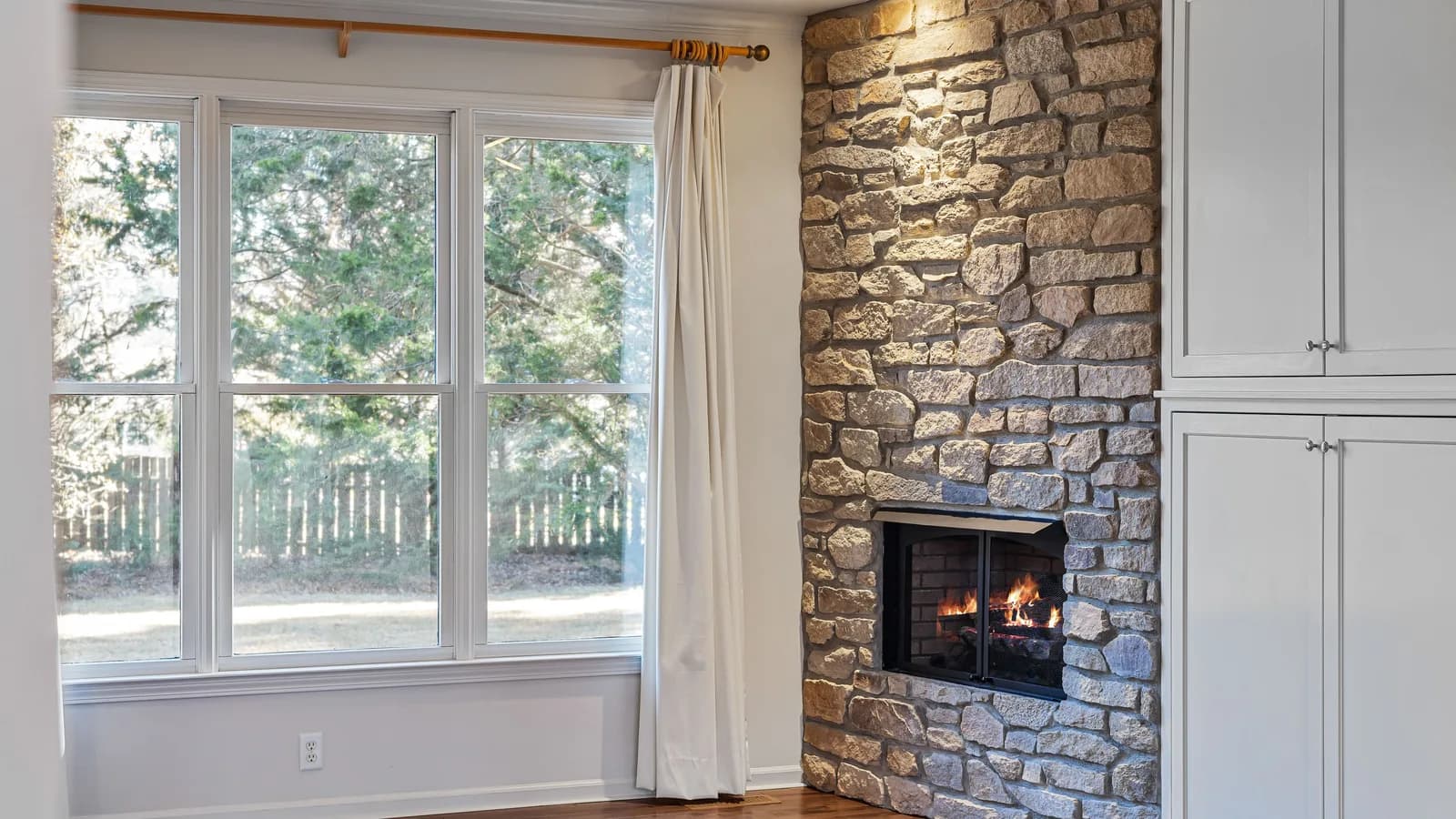
How High and Wide Should You Hang Curtain Rods?
Set curtain-rod height from panel length and width from stackback, then choose safe brackets, anchors, supports, and professional help.
Open guide
How do I make a small bedroom look bigger without renovating?
Make a compact bedroom feel larger by controlling scale, sightlines, storage, color contrast, rugs, mirrors, and layered lighting without moving walls.
Open guide
How to Care for Solid Wood Furniture
Protect solid wood furniture with finish-safe cleaning, better placement, prompt spill care, and clear repair boundaries.
Open guide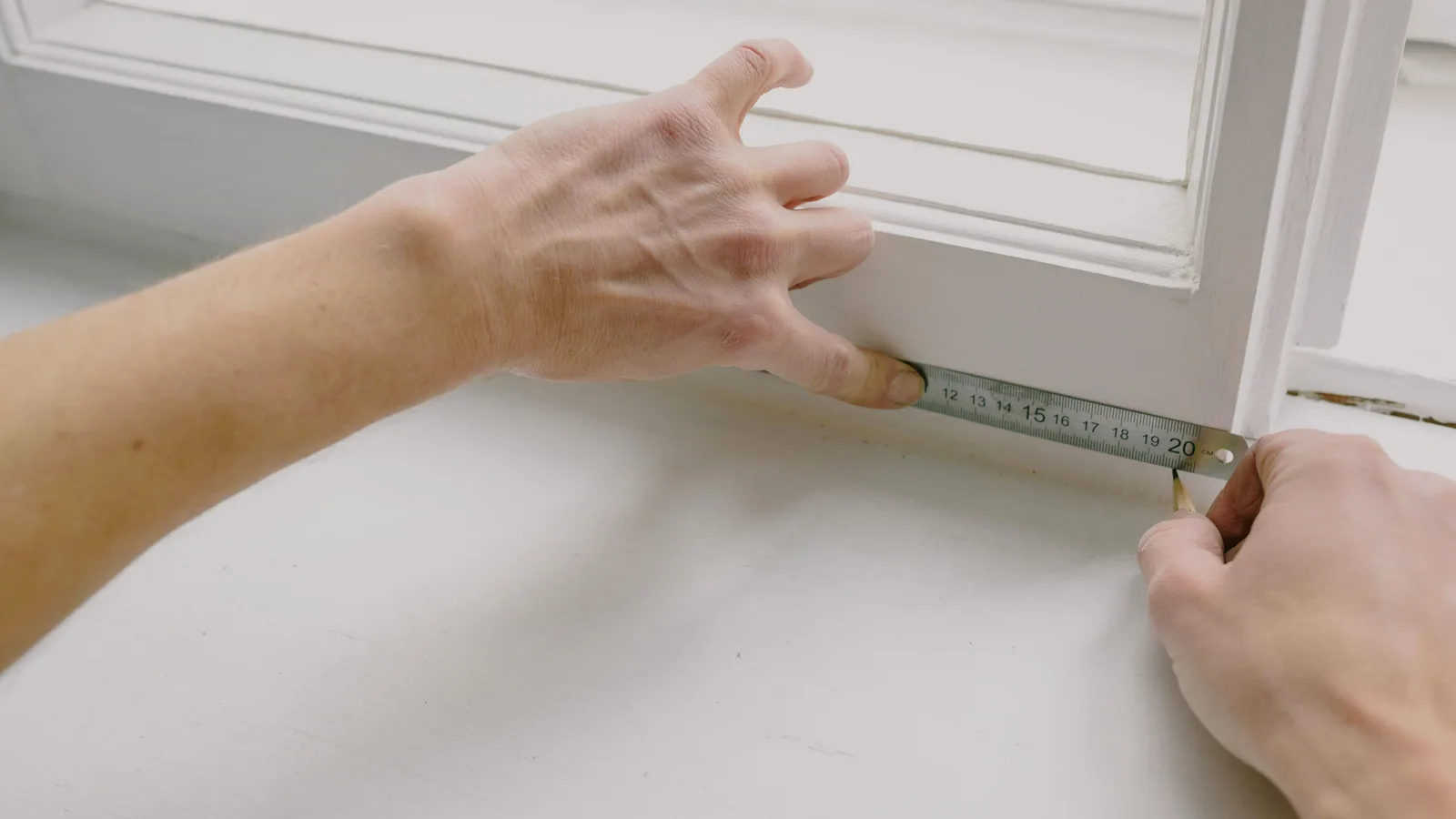
How to Measure Windows for Inside-Mount Blinds
Measure windows for blinds with a repeatable worksheet covering mount type, three widths and heights, depth, deductions, and cord safety.
Open guide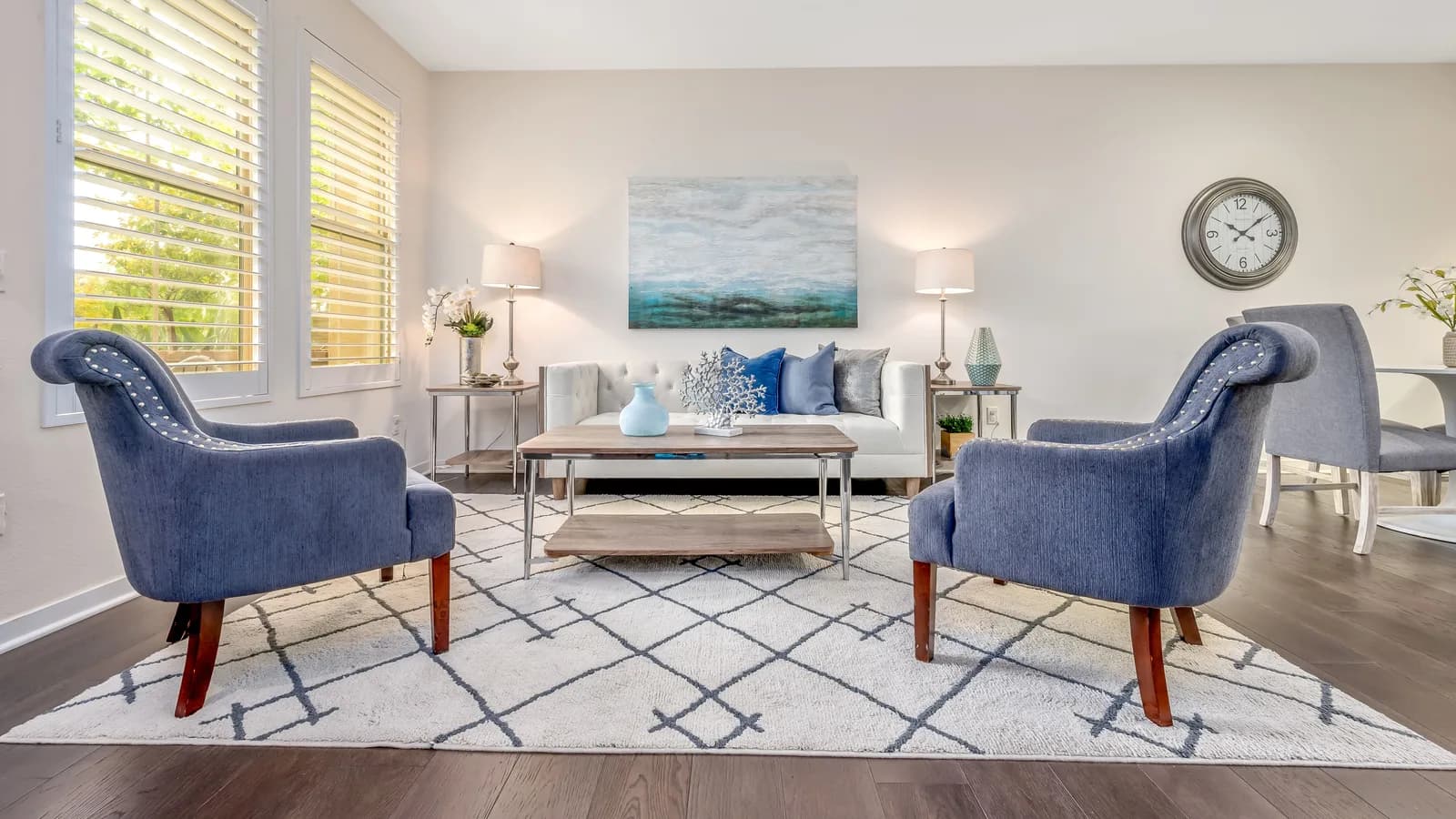
How to Choose the Right Area Rug Size for a Living Room
Tape out an area rug around your actual sofa, sectional, and chairs, then check doors, walking routes, secured edges, care, and cost.
Open guide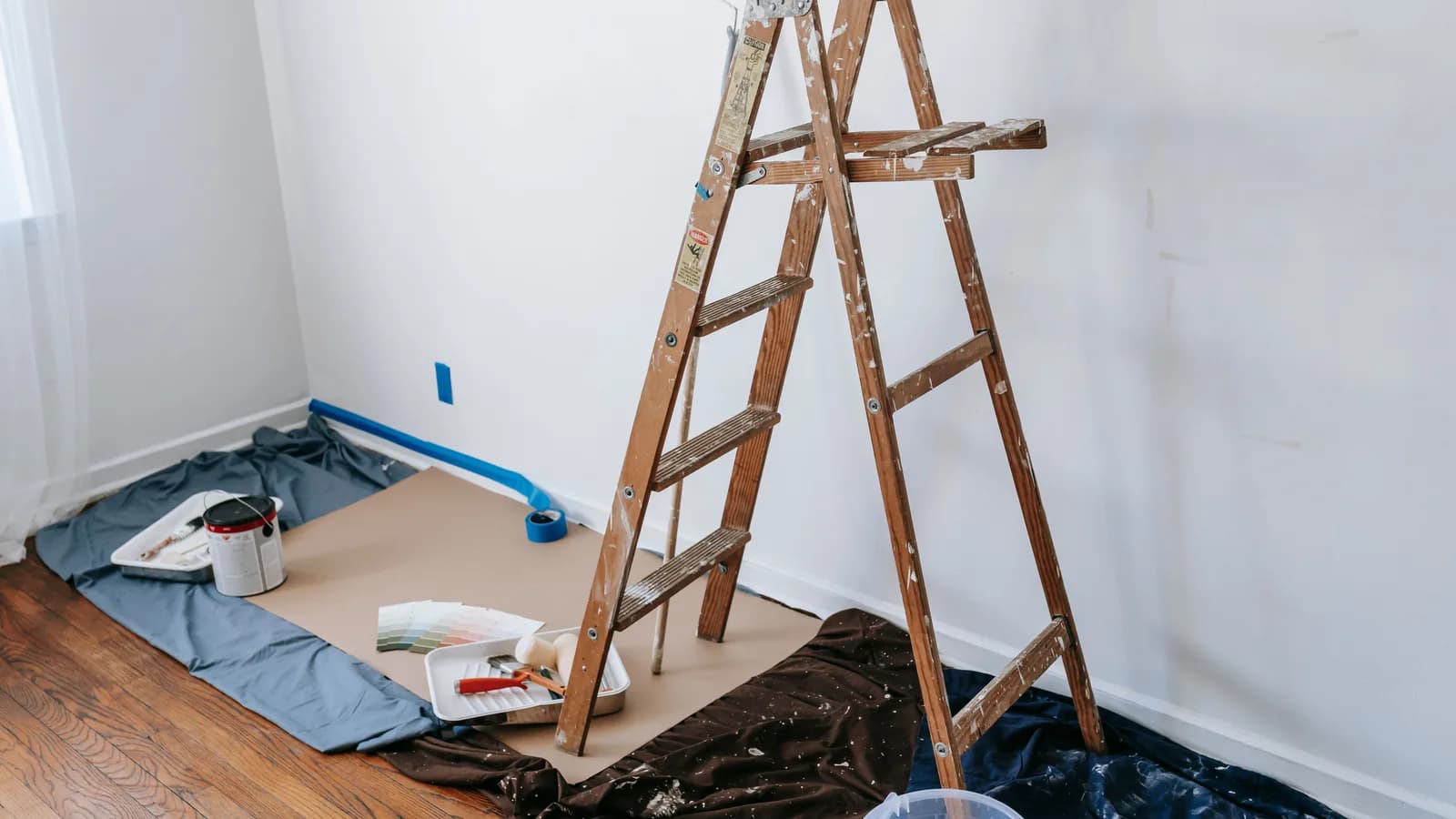
Choose paint room by room without chasing a tiny swatch
Build a whole-home color plan around light, fixed finishes, sight lines, sheen, surface safety, ventilation, and the way each room is used.
Open guide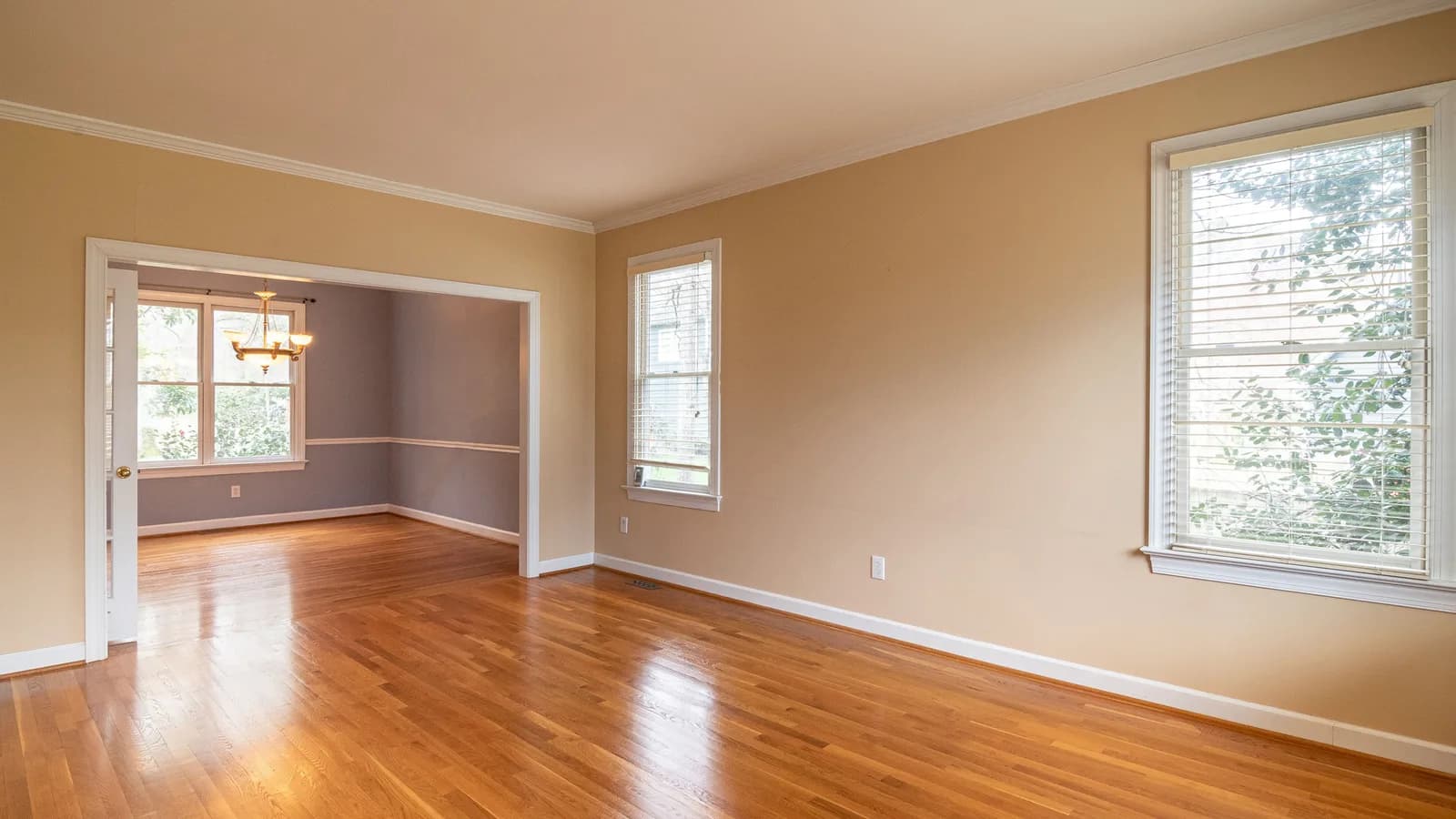
How do I measure a room correctly before buying a sofa?
Measure the room, delivery route, clearances, ceiling height, and existing furniture so the sofa fits both your space and your way into it.
Open guide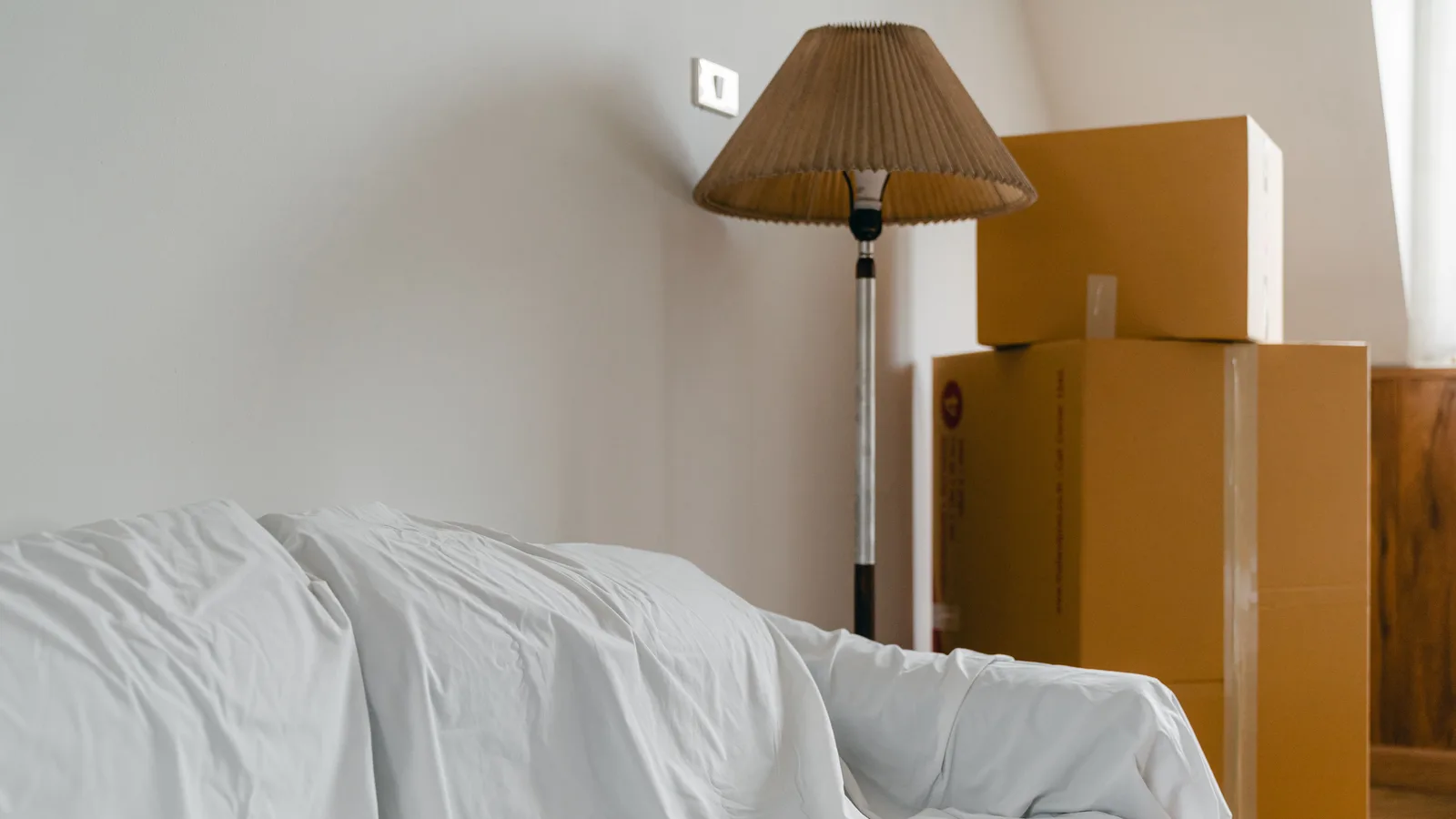
How much furniture budget should a first-time homebuyer set aside after closing?
Build a practical post-closing furniture plan by prioritizing essential rooms, comparing used and new purchases, and skipping the rushed makeover.
Open guide
What's a realistic budget to refresh one room without a full remodel?
See what separates a room refresh from a remodel, then price your own budget from your problem list instead of a borrowed number.
Open guide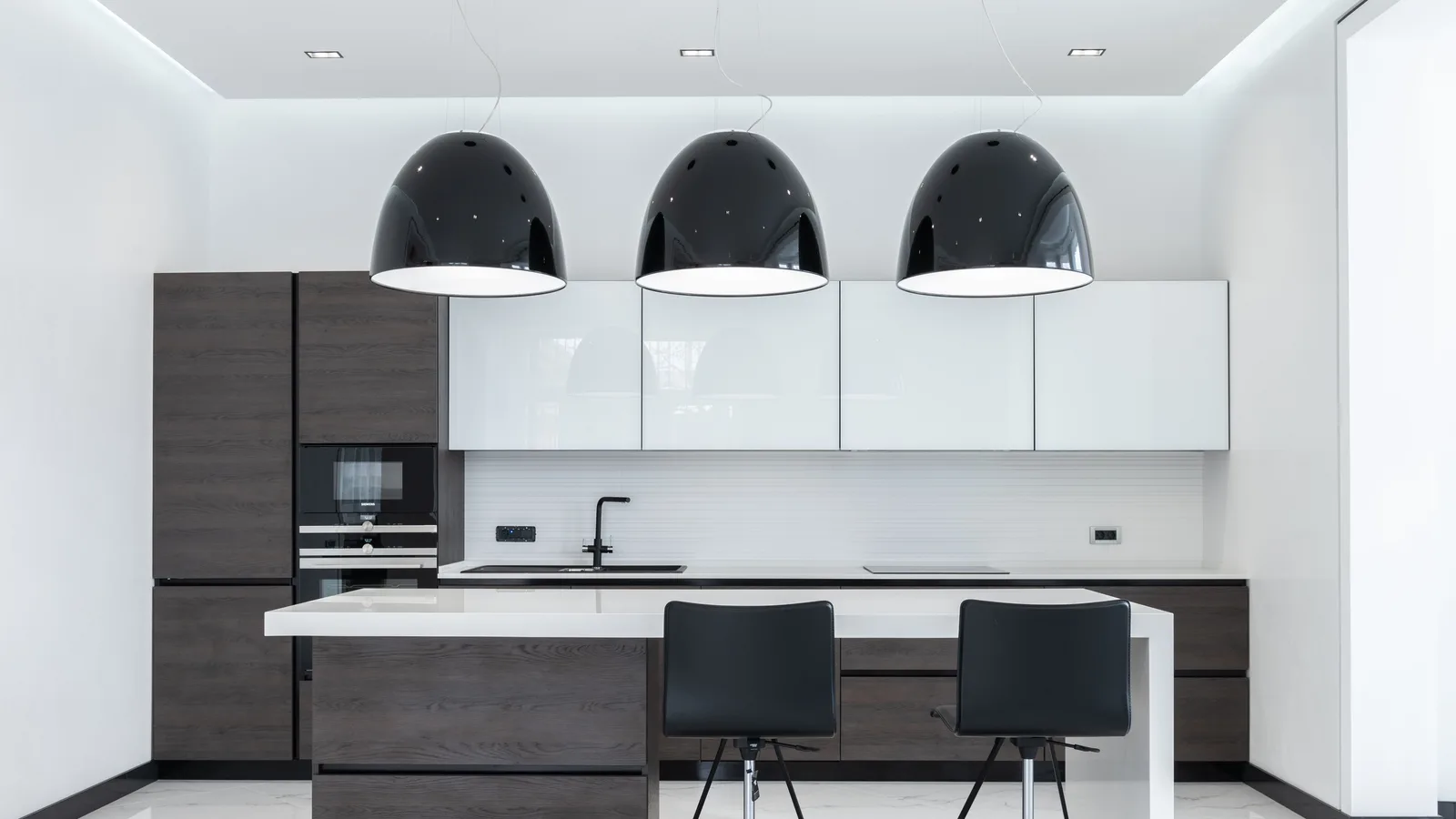
Plan kitchen lighting in layers, not fixtures
Coordinate ambient, task, and accent light with work surfaces, controls, glare, color, and the electrical scope behind the finished look.
Open guide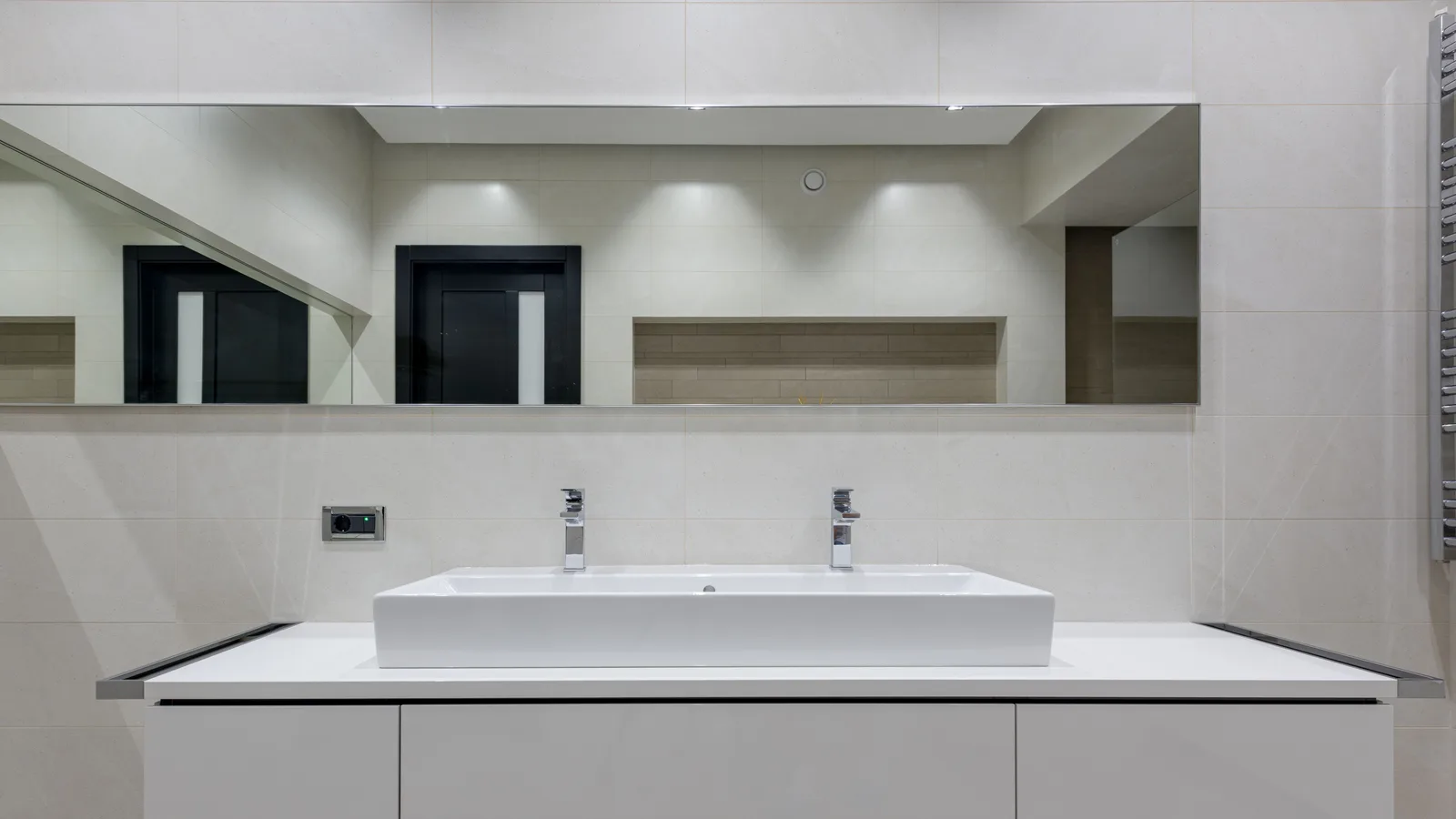
Refresh a bathroom without pretending it is a remodel
Improve function and appearance through cleaning, repair, light, hardware, storage, and ventilation before moving plumbing or replacing sound finishes.
Open guide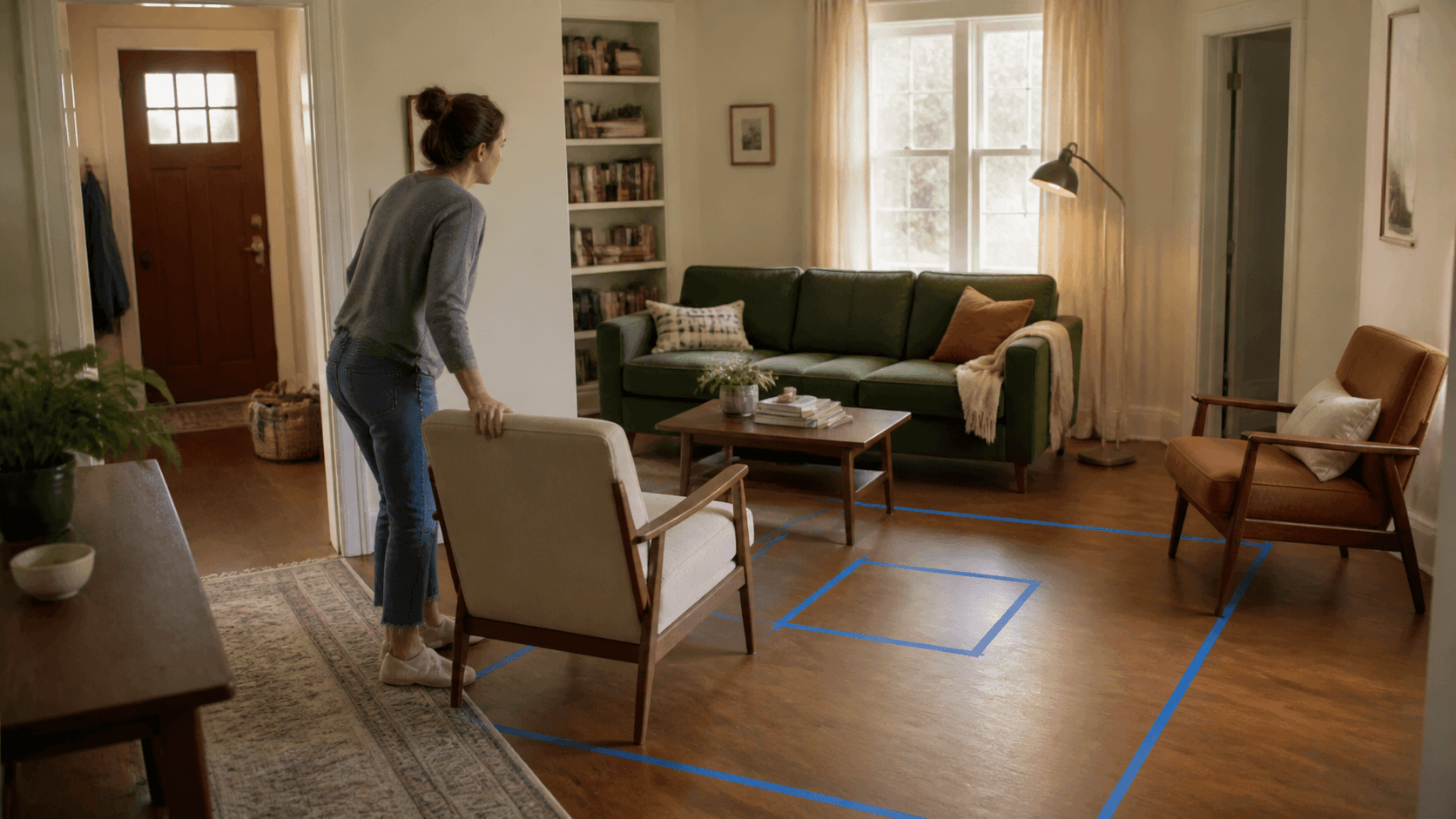
Make a small living room work before buying smaller furniture
Use activity zones, clear paths, useful dimensions, lighting, and storage to improve a compact room with what you already own first.
Open guideFAQ
Frequently asked questions
What should I measure before buying furniture for a room?+
The room's full footprint, every doorway and stairwell the piece has to travel through to reach the room, and the clearance you need around it once it's placed (walking paths, door swings, drawer and door clearance). Furniture that fits the floor plan on paper still fails if it can't get through the hallway.
How do I make a small room feel bigger without renovating?+
Layout and light do more than square footage. Floating furniture away from walls, keeping sightlines open across the room, and layering light sources instead of relying on one overhead fixture all read as more space without moving a single wall.
What's a realistic budget to refresh one room?+
It depends heavily on whether you're repainting and restyling with existing furniture versus replacing major pieces, but the split that matters most is paint and lighting (lowest cost, highest visible impact) versus furniture (the largest line item by far). Plan the cheap, high-impact changes first and see how much of the problem they solve before spending on furniture.
Is solid wood furniture worth the extra cost over MDF?+
For pieces that take daily wear and tear -- dining tables, dressers, anything load-bearing -- solid wood typically lasts longer and holds up to repair better. For pieces that are mostly decorative or lower-use, well-made MDF can be a reasonable way to spend less without a meaningful downside.