4Homes desk
Comfort & Energy Savings Guides
Comfort and cost are usually the same problem: a house that is too hot, too cold, or too humid is also a house wasting energy somewhere you have not found yet. This desk covers indoor air quality resets, energy audits you can run room by room, and how to prepare a home for extreme heat or cold before the season actually arrives — the kind of prep that prevents an emergency service call at the worst possible time.
None of these guides ask you to buy new equipment first. They start with what is already in the house: filters, seals, vents, thermostats, and the small habits that quietly drive up a utility bill. Once you know where the waste actually is, the guides point you toward the fixes that are worth the money and the ones that are not. If a room never feels right no matter what you set the thermostat to, this is where to start looking.
8 guides in this desk · see every desk · all homeowner guides
How to use this desk
This desk is short on purpose — three guides, each a different lever on the same problem, rather than a long list of overlapping advice. Energy reset comes first because it's the broadest: a room-by-room pass through the whole house that usually surfaces two or three fixes worth making before anything else.
Indoor air quality follows because comfort and efficiency are often the same complaint from two different angles — a room that feels wrong is frequently also a room wasting energy. Extreme-weather prep is last: it's the checklist worth reading before a heat wave or cold snap, not during one, since the useful fixes take a few days' notice.
The common thread across all three is that the fix usually isn't new equipment — it's filters, seals, vents, and a thermostat schedule that no longer matches how the household actually lives in the space. New equipment is sometimes the right call, but only after the cheaper, faster fixes on this desk have already been tried and the problem is still there.
This desk also pairs naturally with Home Care's seasonal calendar — a lot of the checks here (filters, weatherstripping, attic insulation) are exactly the kind of recurring work that calendar is built to remind you about, so treat the two desks as companions rather than separate topics.
It's deliberately a short desk rather than a padded one. Three real problems — wasted energy, poor indoor air, and weather you didn't prepare for — cover most of what actually drives a homeowner to search for comfort or efficiency help, and each guide here is built to be read in full, not skimmed for one tip and abandoned.
Start here, in order
- 1Cut home energy waste room by room
Start with behavior, controls, air movement, and obvious leaks room by room before shopping for expensive new heating or cooling equipment.
- 2A practical indoor-air quality reset
Reduce pollution sources, manage moisture, improve filtration and ventilation, and skip the products that only mask a real air-quality problem.
- 3Prepare the house for extreme heat
A layered plan for shade, air movement, cooling equipment, power interruptions, and protecting the household members most at risk.
Before the next extreme-weather week
- Check weatherstripping and seals on exterior doors and windows
- Replace or clean the HVAC filter ahead of the heaviest-use season
- Confirm attic insulation is still doing its job, not just present
- Know where your main water shutoff is before you need it in a hurry
Section 01
Comfort & efficiency
Make rooms feel better while cutting the waste you do not need to pay for.

Which Way Should a Ceiling Fan Turn in Winter?
Most reversible ceiling fans turn clockwise on low in winter. Check the direction, reverse it safely, and know when leaving it off is better.
Open guide
How to Fix a Drafty Exterior Door Without Hiding Damage
Find a draft with light and paper, choose the right seal or alignment fix, and stop before weatherstripping hides water, rot, or movement.
Open guide
How to Insulate Exposed Water Pipes Without Hiding Trouble
Insulate exposed water pipes for freeze protection and energy savings without hiding leaks, blocking valves, or ignoring flue clearances.
Open guide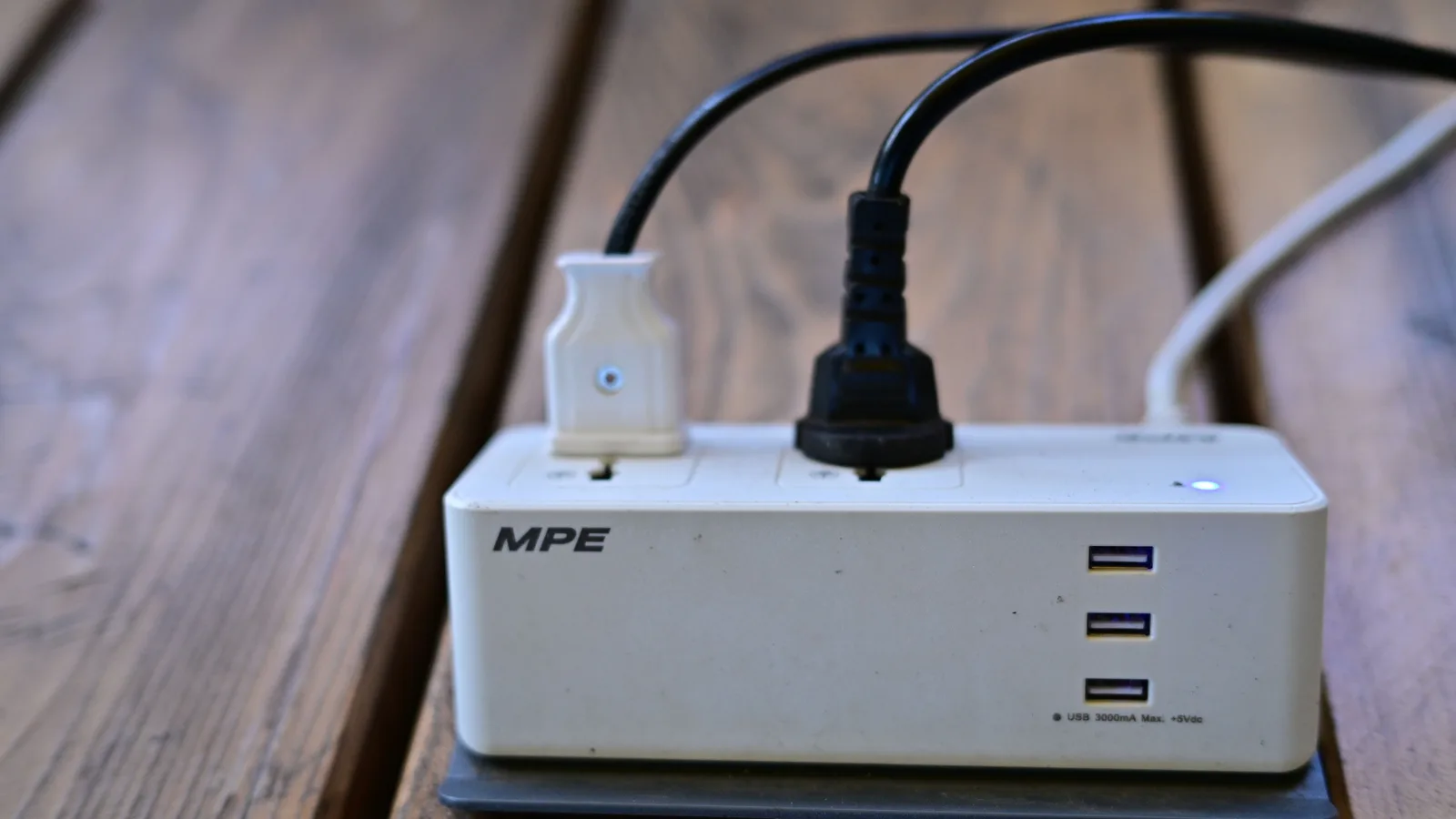
How to Reduce Phantom Energy Use at Home
Find and reduce phantom energy use with a safe plug-load audit, measured standby power, smart controls, cost checks, and clear electrical limits.
Open guide
How to install exterior door weatherstripping
Match and install exterior-door weatherstripping for even contact after diagnosis confirms the seal, not alignment or damage, is the failed layer.
Open guide
Cut home energy waste room by room
Start with behavior, controls, air movement, and obvious leaks room by room before shopping for expensive new heating or cooling equipment.
Open guide
A practical indoor-air quality reset
Reduce pollution sources, manage moisture, improve filtration and ventilation, and skip the products that only mask a real air-quality problem.
Open guide
Prepare the house for extreme heat
A layered plan for shade, air movement, cooling equipment, power interruptions, and protecting the household members most at risk.
Open guideFAQ
Frequently asked questions
Where should I start an energy audit of my own home?+
Room by room, checking for drafts around windows and doors, the condition of weatherstripping, and whether vents are blocked by furniture. Most homes have two or three clear, low-cost fixes once you actually walk through with that checklist instead of guessing from the utility bill alone.
How do I know if my home has an indoor air quality problem?+
Persistent musty smells, visible condensation on windows, or a filter that looks dirty well before its replacement schedule are all signs worth investigating. None of those confirm a specific cause on their own, but each one is a reason to look closer rather than ignore it.
What should I do before an extreme heat or cold snap hits?+
Check weatherstripping and seals, replace or clean the HVAC filter, and confirm you know where the main water shutoff is -- all things that take a few days' notice to do properly and are much harder to handle once the weather has already turned.
Does sealing drafts really make a noticeable difference?+
Yes, more than most homeowners expect -- gaps around doors, windows, and attic access points are a common source of comfort complaints and wasted conditioned air. It's also one of the lowest-cost fixes on this desk relative to the difference it makes.