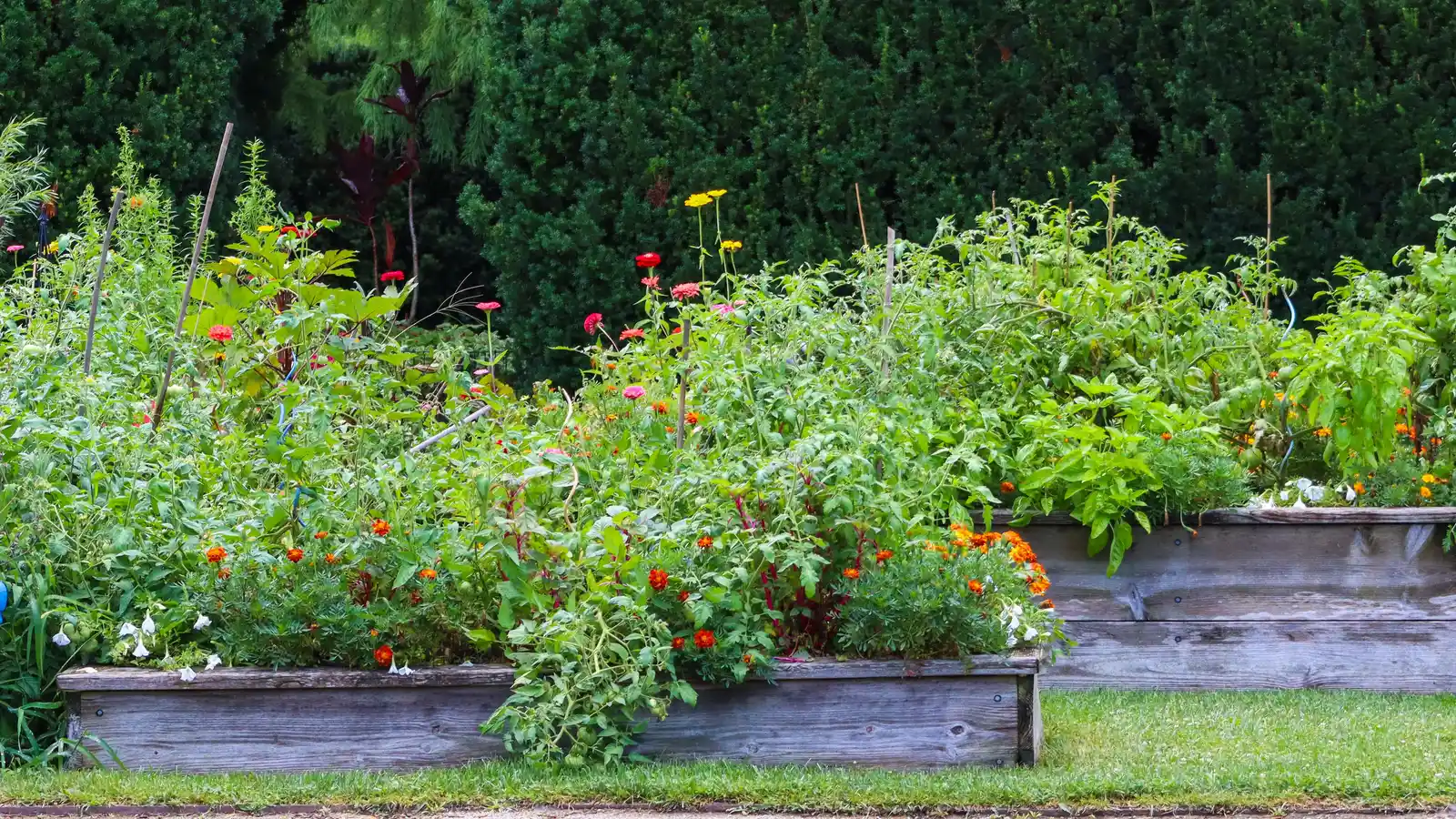
A useful first food garden is easy to see and water, safe for growing, and small enough to care for during the household’s busiest week.
Start a small edible garden where it will be seen, watered, and harvested often. Track direct sun and access to water before buying a bed or seeds, then choose two or three crops the household already eats and that fit the local growing window. A tiny garden near the daily path usually teaches more than a larger one tucked out of sight.
Choose the location with evidence
Watch the proposed area through the day. Buildings, fences, trees, and neighboring structures can change the light as the season moves. Match the crop to the sun that is actually available rather than forcing a “full sun” plan into a dim corner. The USDA Plant Hardiness Zone Map is one climate reference, but local extension guidance is more useful for planting windows, heat, humidity, frost patterns, and varieties that perform in the region.
Make watering easy without creating a trip hazard or dragging a hose through doors. Keep the garden clear of utility access, equipment service areas, busy walking routes, pet waste, and places where roof runoff or street splash may carry unwanted material. Before placing a heavy container on a balcony, deck, roof, or elevated surface, confirm structure, drainage, waterproofing, and building rules with the responsible qualified person.
Pick a container or bed that can drain
Containers need drainage openings that remain open after the pot is filled and placed. A saucer may protect a surface, but standing water can damage roots and attract pests. Use growing media intended for containers rather than digging ordinary yard soil into a pot. Confirm that the container and any liner are suitable for food growing, especially when the material is reused or its previous contents are unknown.
For an in-ground or raised bed, investigate the soil and site history when contamination is plausible. Do not use unknown treated lumber, industrial containers, flaking painted material, or questionable fill around food-growing soil. Local extension or environmental-health resources can explain appropriate soil testing and interpretation. A raised bed can change the soil you bring in, but it does not automatically solve runoff, roots, drainage, or every site concern.
Let mature size choose the crop list
Seedlings and seed packets make a small space look limitless. Draw each crop at mature spread and height, then add supports, access for harvest, and the shadows taller plants will cast. Choose compact varieties where they make sense. Put trellises in place early enough to avoid driving stakes through established roots, and secure them for expected wind and load.
Select dependable crops first, plus one small experiment if you enjoy learning. Herbs or greens used a little at a time may fit a near-kitchen container. A fruiting crop may need more sun, soil volume, support, feeding, and a longer growing window. The right mix depends on what the household eats and the care it can provide, not on which plants look impressive at the garden center.
The 4Homes weekly email
Every Tuesday: what changed for homeowners this week, plus our newest guides.
No spam. Unsubscribe anytime.
Create a short, frequent care loop
Check soil moisture, new growth, leaf undersides, supports, and harvest readiness briefly and often. Water based on the crop, container, weather, and soil rather than a fixed national schedule. Containers can change quickly in heat and wind. Apply fertilizer, compost, soil amendments, and pest products according to reliable local guidance and the product label. More is not a substitute for diagnosing the problem.
Identify a pest or disease before treating it. Remove badly affected material when appropriate, clean tools as guidance requires, and protect pollinators and edible harvests by following label restrictions. If an animal has contaminated produce or growing media, use public-health or extension guidance rather than improvising a wash-and-eat rule. Wash harvested produce under clean running water and keep garden chemicals stored in their original containers away from children, pets, and food.
Keep the next planting honest
Record what was planted, where it came from, when it produced, what failed, and what was actually eaten. Note whether the garden became difficult during travel, hot weather, or the household’s busiest week. The result may suggest fewer pots, a better watering setup, a different crop, or a location closer to the door.
Fit the food garden into the larger seasonal yard routine instead of treating it as a separate hobby with its own overflowing checklist. If outdoor space also needs seating, keep containers and irrigation out of the drainage and circulation routes identified in the patio comfort plan. A successful small garden earns its space by being easy to notice, safe to tend, and useful at the table.