4Homes desk
Home Organization & Storage Guides
Most storage problems are not a space problem — they are a system problem. A pantry with deep, hard-to-reach shelves does not need to be bigger; it needs shelving that puts everything within reach. A garage does not need an addition; it needs a plan for what actually belongs there. This desk covers closets, pantries, and the buying decisions that come with fixing them, including when a closet system is worth the cost and when a simpler kit does the job just as well.
Each guide is built around the decision in front of you, not general organizing philosophy: how to measure before buying furniture, how to choose equipment sized to the actual job, and how to set up a system you will keep using after the first week of motivation wears off. If you are staring at a space that never quite works no matter how you arrange it, start with the guide closest to that specific room or problem.
14 guides in this desk · see every desk · all homeowner guides
How to use this desk
Storage projects fail for a predictable reason: the fix gets bought before the actual problem is diagnosed, so a nicer version of the same bad layout goes back in. The reading path below starts with a single room — the pantry — because its failure mode (deep, hard-to-reach shelves) is the clearest example of a system problem that looks like a space problem.
The closet guide is next because it answers the buying question every organize project eventually runs into: is a full system worth the cost, or is a kit enough. The garage and kitchen-cabinet guides come after, once you've seen the pattern applied once and can bring the same measure-first approach to a bigger or messier space.
What ties all four together is sequencing: measure and sort before buying bins or shelving, not after, and group items by how often they're actually used rather than by category alone — daily items within easy reach, seasonal items in the hardest-to-reach spots, not the reverse. A system built in that order tends to survive the first few weeks after setup, which is usually where a well-intentioned reorganization quietly falls apart.
It also helps to separate the storage decision from the decluttering decision, even though they usually happen at the same time. Deciding what to keep is a household judgment call these guides don't make for you; deciding how to store what you've kept is the part with a repeatable right answer, and that's what each guide here actually focuses on.
Start here, in order
- 1How do I organize a small pantry that has deep, hard-to-reach shelves?
A practical system for making deep pantry shelves visible, reachable, and easier to maintain without buying storage pieces that do not fit.
- 2Is a closet system worth the cost, or is a kit good enough?
Learn what a basic closet kit and a custom system actually change, then choose based on your closet, household habits, timeline, and budget.
- 3Organize a one-car garage for tools and seasonal storage
Protect the parking bay and daily route first, then organize tools and seasonal gear by use frequency, weight, access, and storage risk at home.
- 4Organize kitchen cabinets without replacing them
Turn existing kitchen cabinets into a task-based system for dishes, cookware, food, and daily cleanup without replacing the boxes, shelves, or doors.
Section 01
Home organization & storage
Turn awkward closets, pantries, and garages into storage that actually works for how you live.
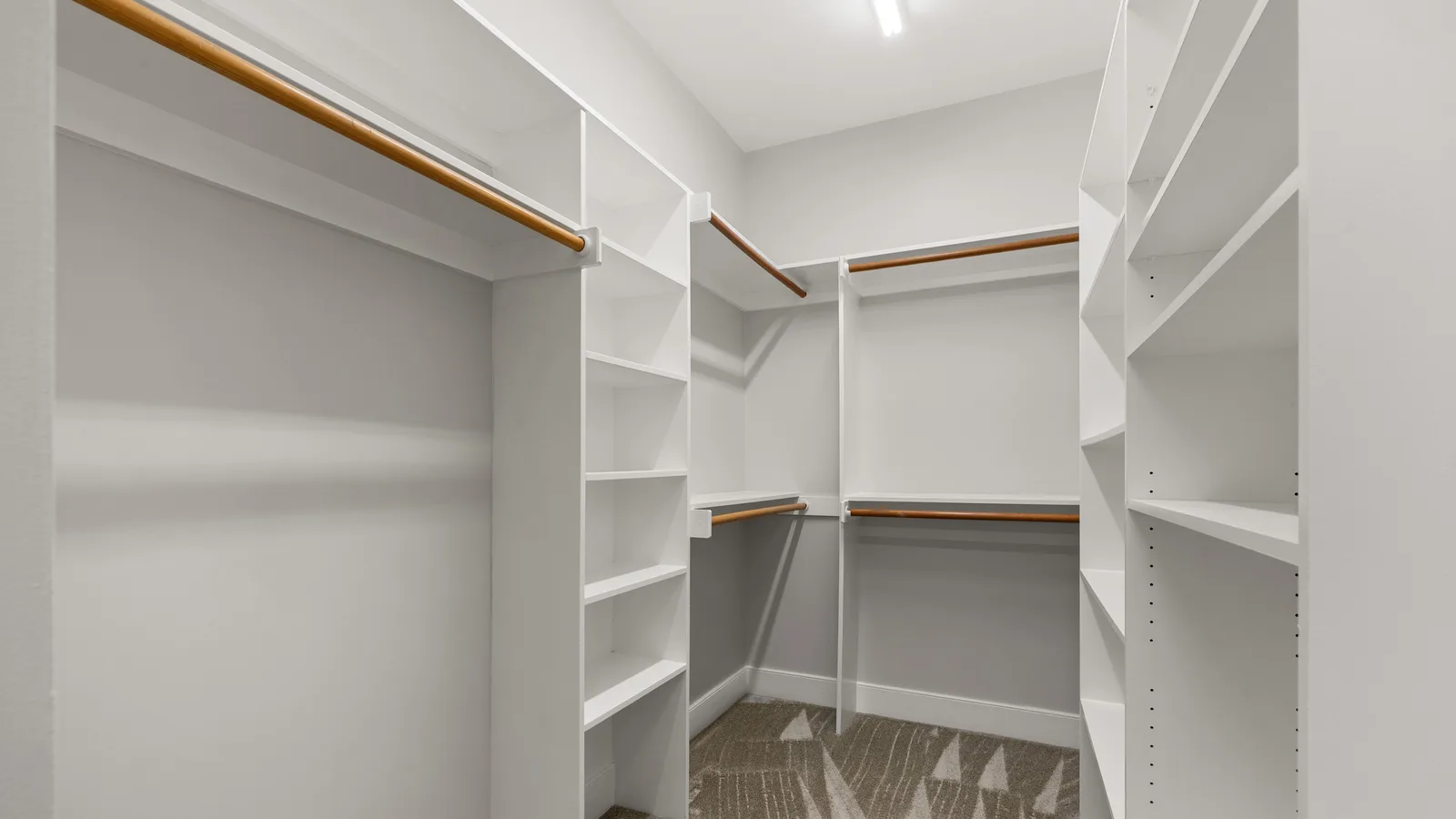
Is a closet system worth the cost, or is a kit good enough?
Learn what a basic closet kit and a custom system actually change, then choose based on your closet, household habits, timeline, and budget.
Open guide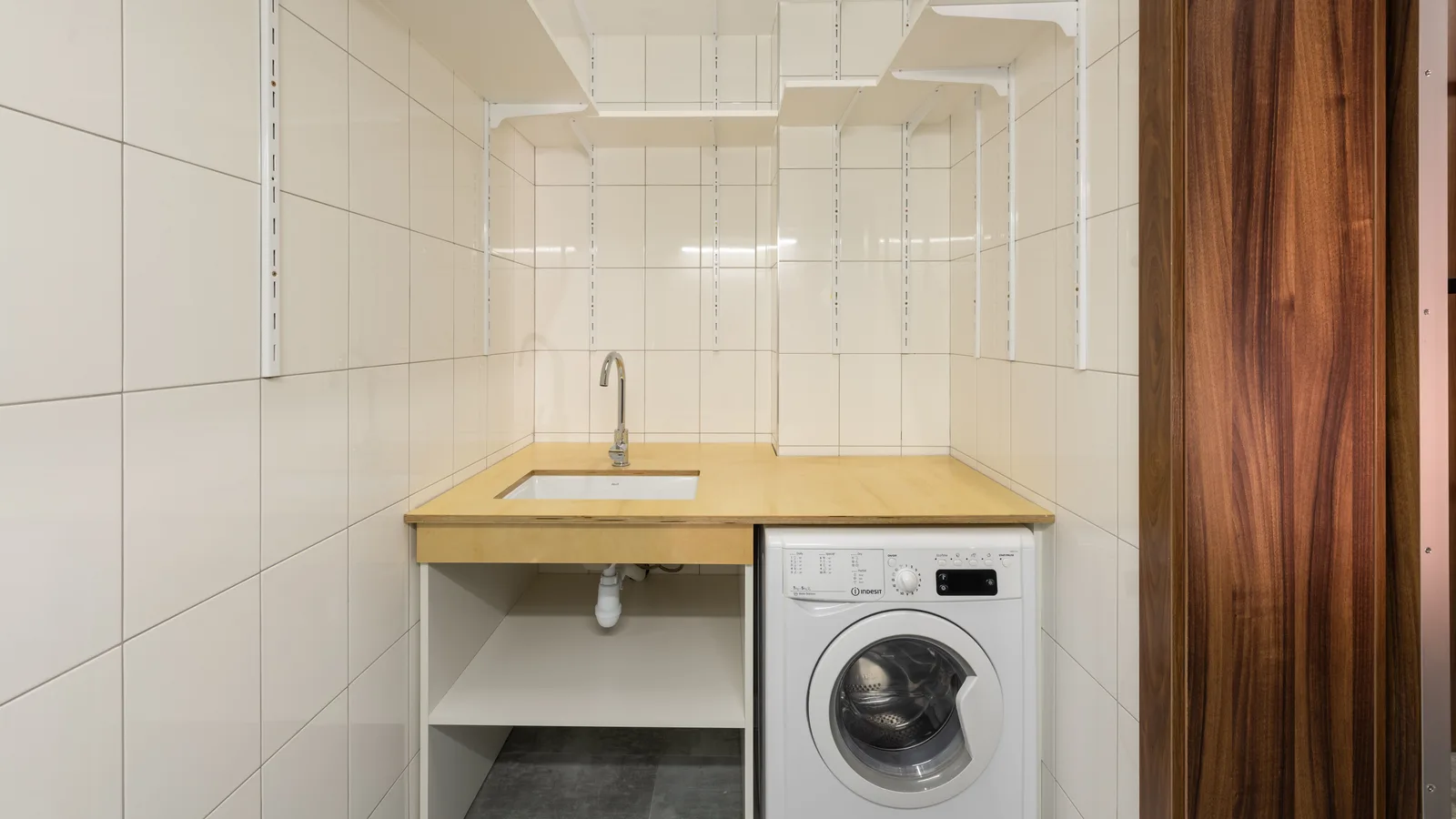
How to Organize a Small Laundry Room
Organize a small laundry room around appliance access, sorting, safe supply storage, air-drying, folding, leak checks, and measured wall storage.
Open guide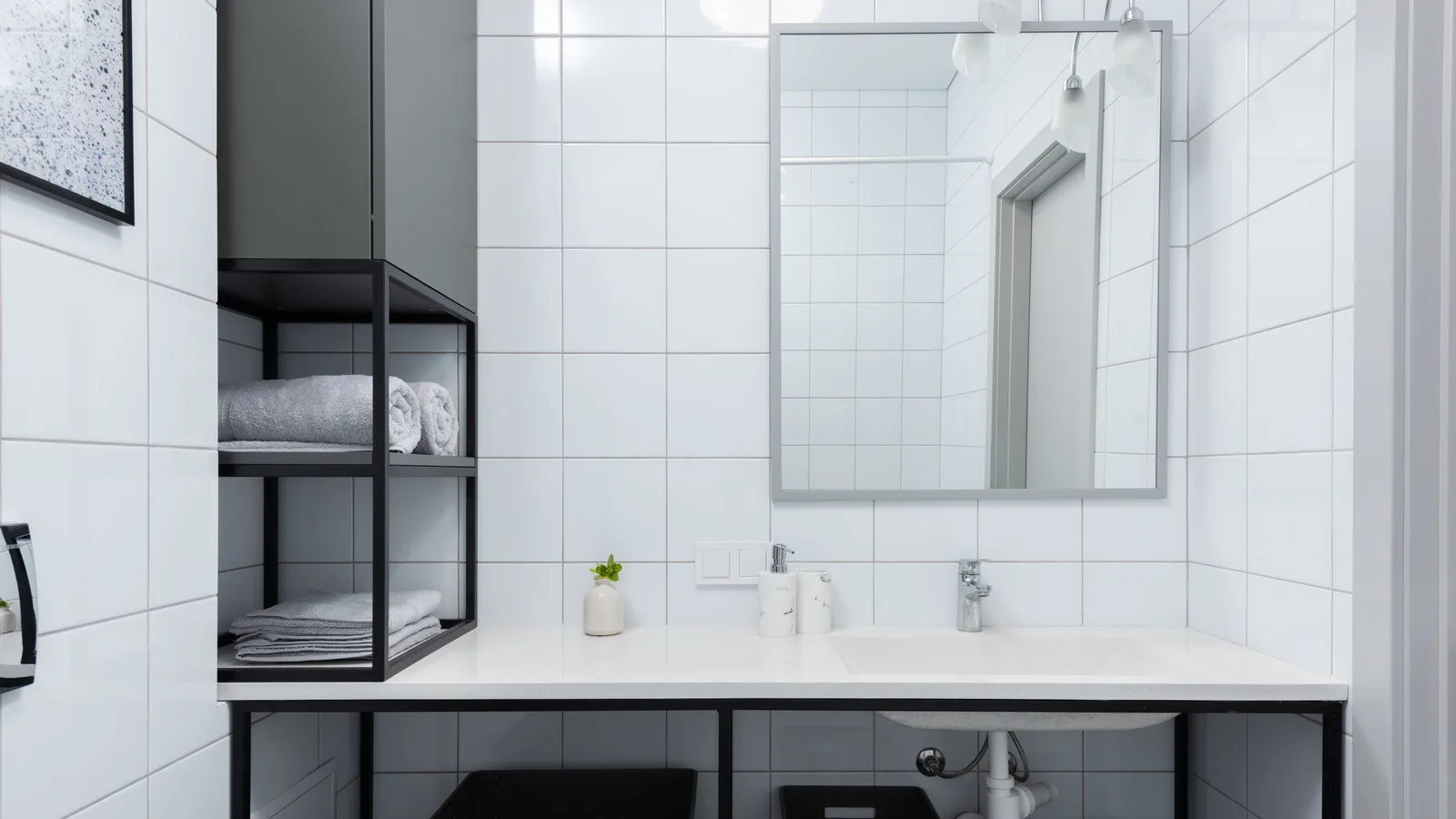
How to Organize Under a Bathroom Sink
Organize a small bathroom sink cabinet around plumbing, daily toiletries, leak access, safe storage, and organizers that actually fit.
Open guide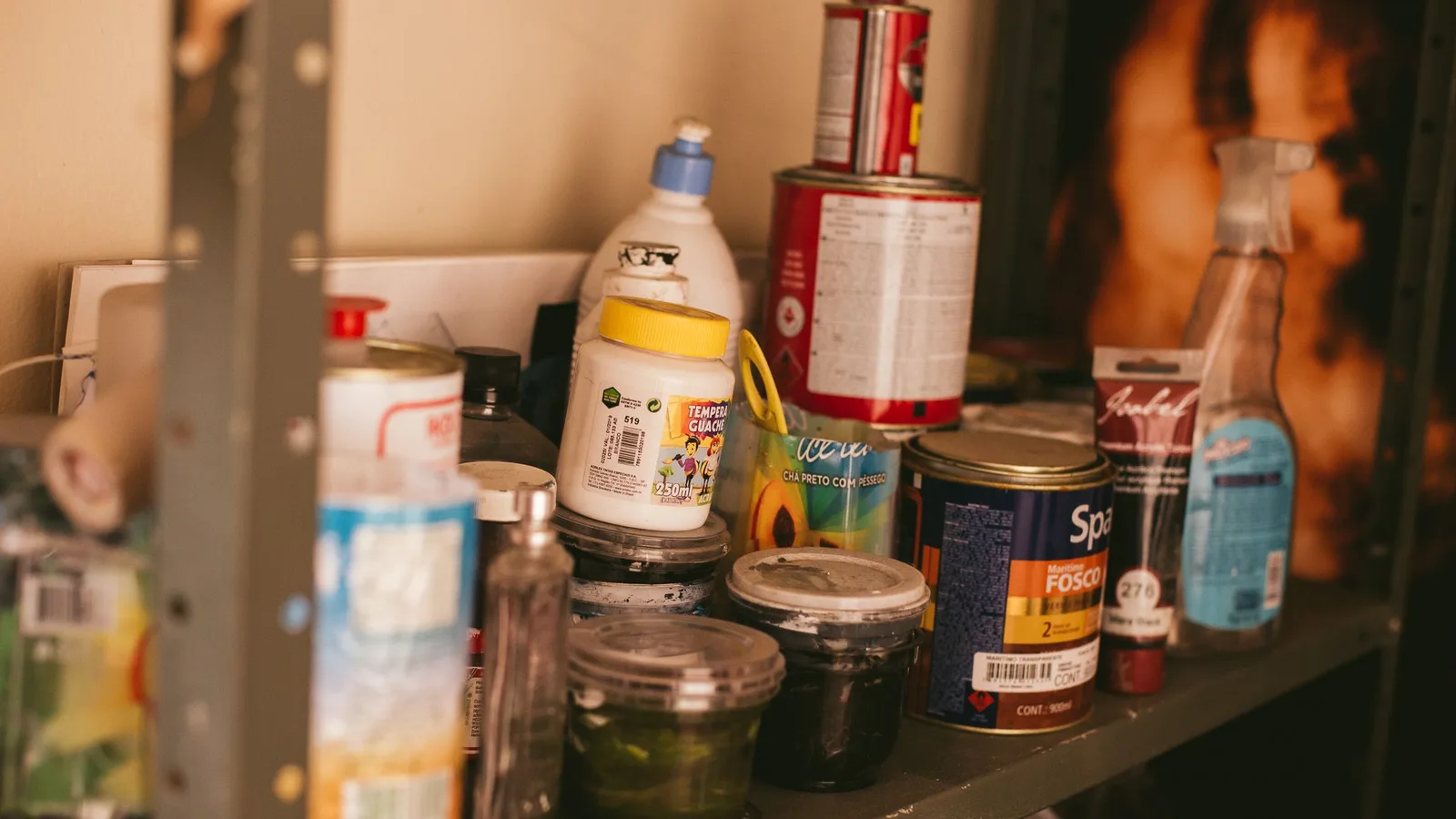
How to store leftover paint safely for future touch-ups
Store leftover paint with a sound seal, readable label, stable temperature, safer shelf location, and a clear plan for touch-ups or local disposal.
Open guide
How to Organize a Medicine Cabinet Safely
Organize medicine safely with dry, controlled storage, expiration sorting, child-resistant access, proper disposal, and a simple inventory.
Open guide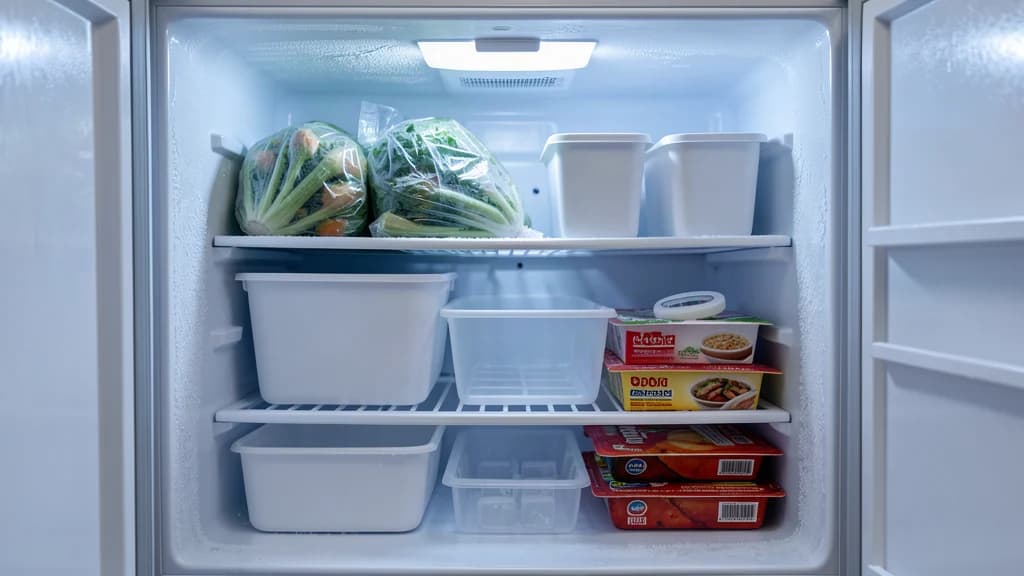
How to organize a freezer and keep a simple inventory
Organize a freezer with clear food zones, a simple inventory, safe temperature checks, outage planning, and a routine that cuts waste.
Open guide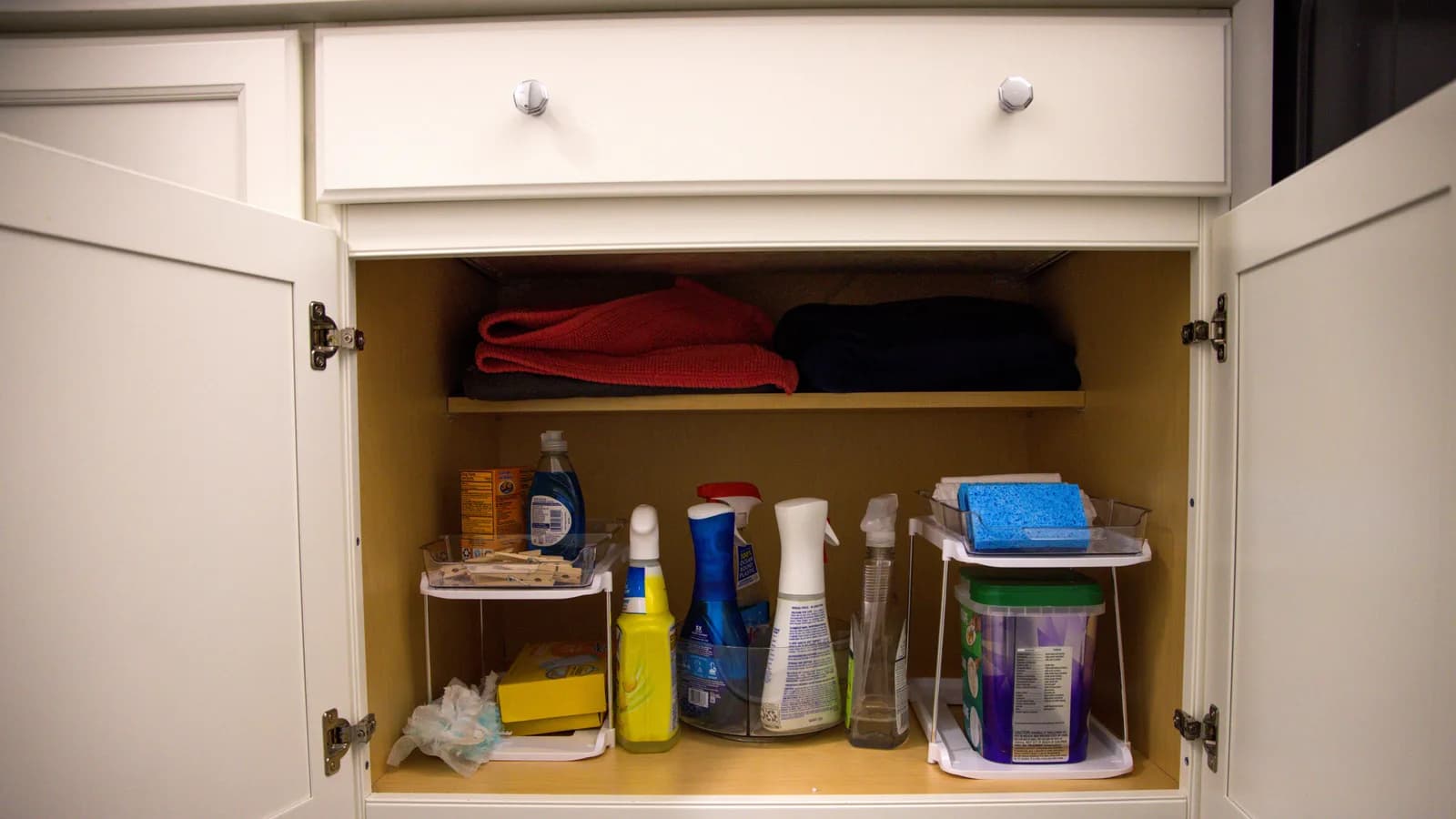
How to organize household cleaning supplies safely
Organize cleaning supplies with locked hazardous storage, task-based caddies, intact labels, damage checks, and a safe disposal plan.
Open guide
How to organize a home office in a shared room
Build a reversible home office in a bedroom or living room with clear dimensions, contained storage, quieter calls, and a five-minute shutdown.
Open guide
Entryway storage ideas when you do not have a mudroom
Create a measure-first entryway drop zone for keys, coats, shoes, and wet gear without blocking the door, narrowing the exit, or losing the room.
Open guide
Organize kitchen cabinets without replacing them
Turn existing kitchen cabinets into a task-based system for dishes, cookware, food, and daily cleanup without replacing the boxes, shelves, or doors.
Open guide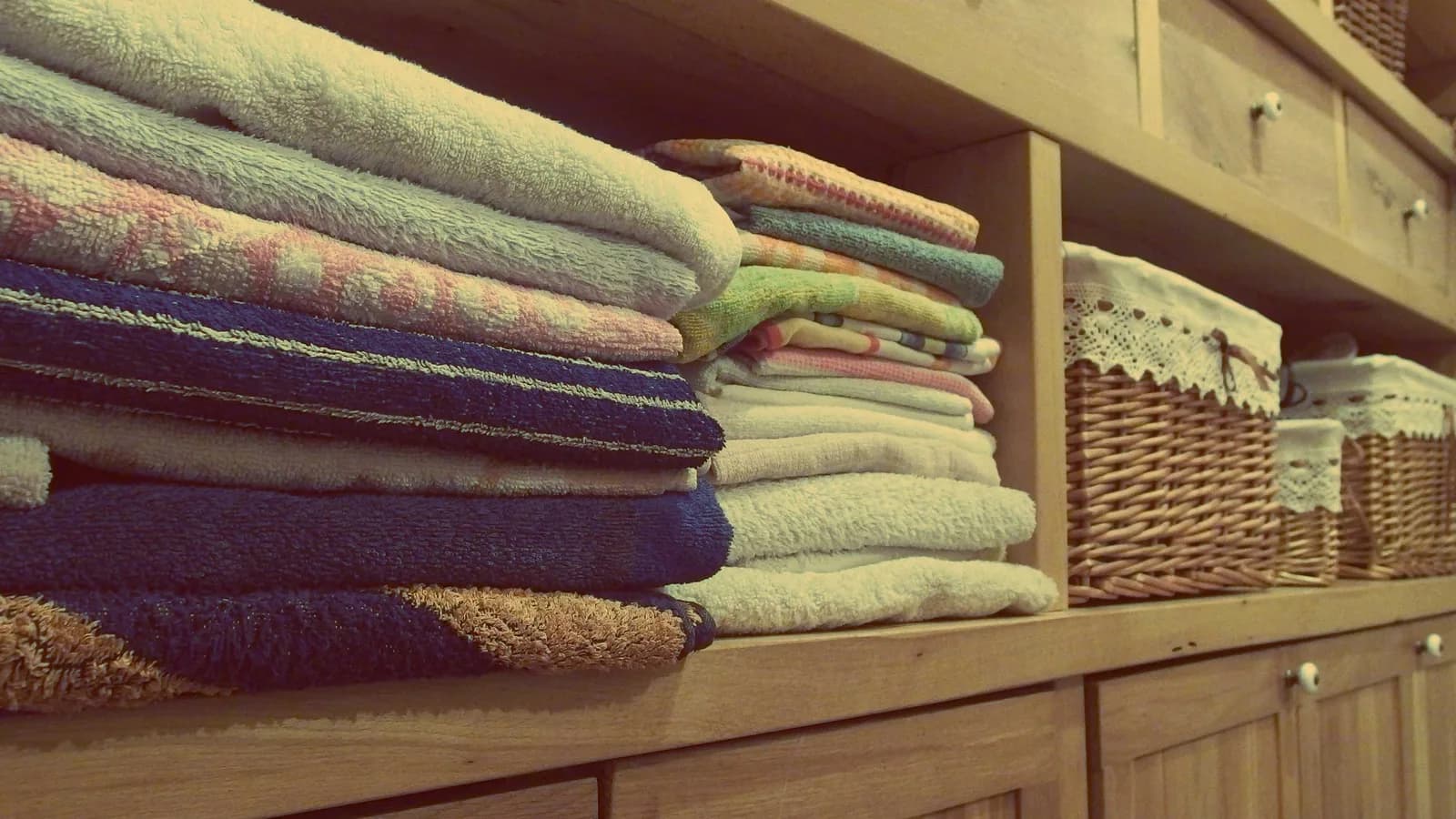
Keep a linen closet organized long-term
Build a linen-closet return routine around bed and bathroom zones, fixed shelf limits, dry textiles, and a small landing shelf for laundry day.
Open guide
Where to store off-season clothes in a small apartment
Create a clean, dry seasonal clothing rotation using measured under-bed space, high shelves, luggage, or one bounded shared-closet storage zone.
Open guide
Organize a one-car garage for tools and seasonal storage
Protect the parking bay and daily route first, then organize tools and seasonal gear by use frequency, weight, access, and storage risk at home.
Open guide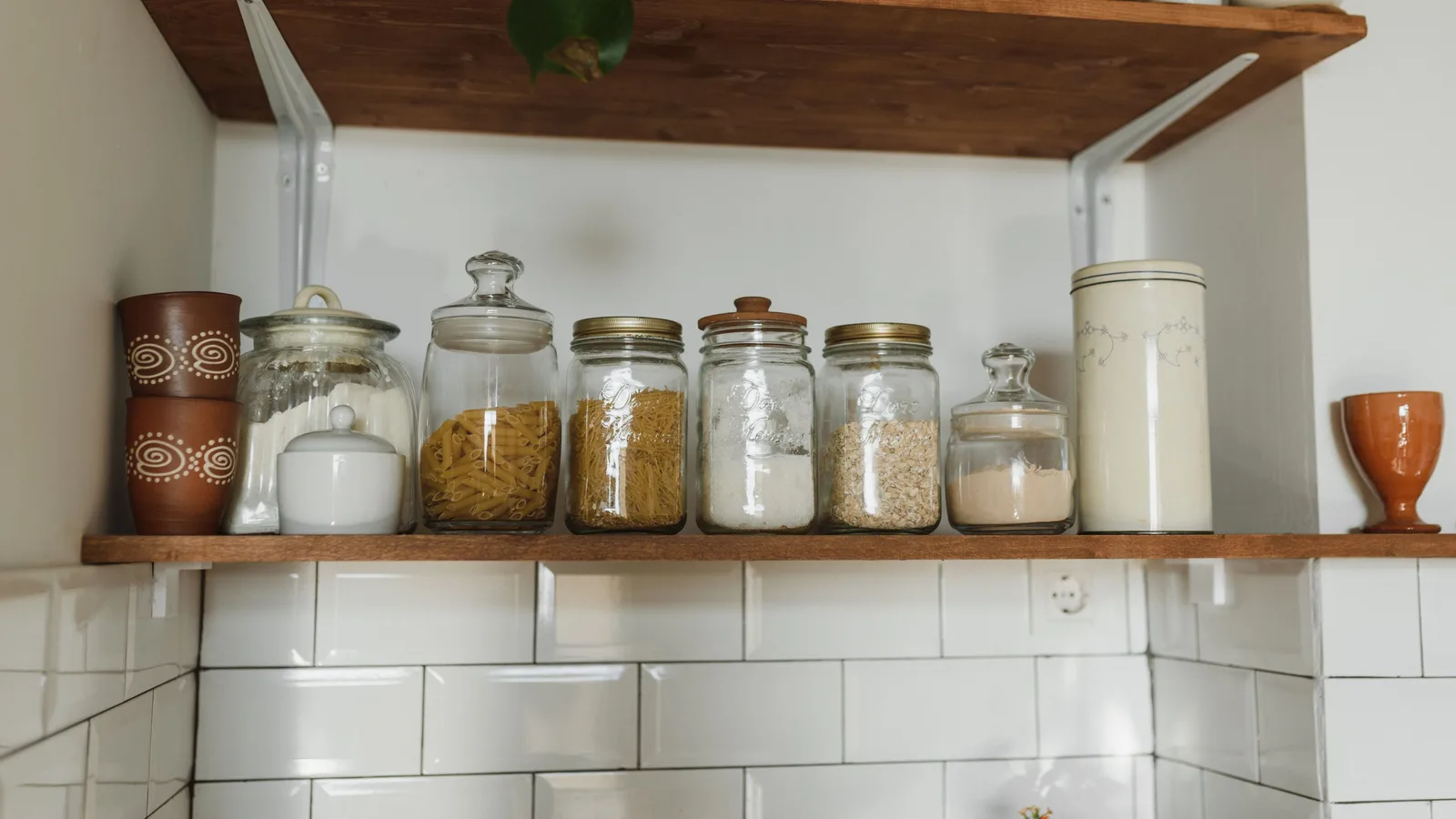
How do I organize a small pantry that has deep, hard-to-reach shelves?
A practical system for making deep pantry shelves visible, reachable, and easier to maintain without buying storage pieces that do not fit.
Open guideFAQ
Frequently asked questions
Is a closet system worth the cost, or is a kit from a hardware store enough?+
A kit works fine for a standard-shaped closet with straightforward storage needs. A custom system earns its cost in an irregular space, a closet serving more than one person, or when you've already tried a kit and it didn't solve the actual problem -- usually because the issue was never the hardware, it was the layout.
How do I organize a pantry with deep, hard-to-reach shelves?+
Pull everything forward with bins or turntables instead of pushing items to the back where they get forgotten, and reserve the deepest, hardest-to-reach shelves for bulk or rarely used items rather than everyday staples. The shelf depth is rarely the real problem -- what's stored where on it usually is.
What's the best way to organize a one-car garage for tools and seasonal storage?+
Vertical wall storage for tools frees up floor space for the car and for bulkier seasonal items, and grouping by season (so winter gear is accessible in winter, not buried behind summer gear) avoids the yearly dig-through. Floor space should be the last thing you fill, not the first.
How do I keep an organized space from falling apart after the first few weeks?+
Build in a landing spot for items that don't have an obvious home yet, rather than forcing everything into a category immediately -- that's usually where a new system breaks down first. A five-minute reset on a set day each week catches drift before it becomes a full redo.