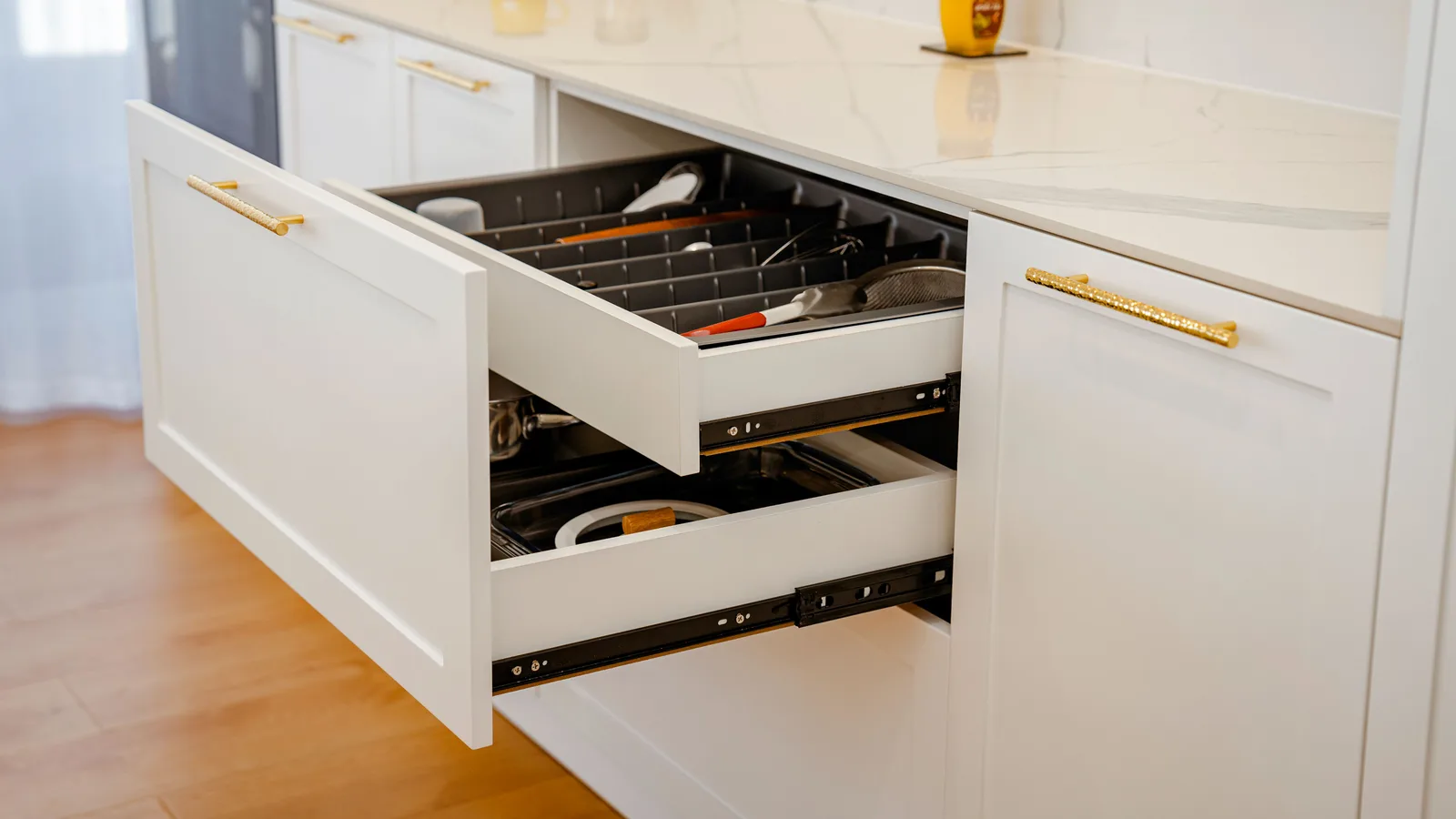
Observe the workaround, test a simple solution, and make the smallest durable change that removes a problem people face again and again.
The best small upgrade removes a problem that repeats. It gives a task enough light, puts an object where it is actually used, makes a control easier to operate, steadies something loose, or clears a path. Start with seven days of observation before buying anything. A short friction list produces better work than a generic collection of “must-have” home products.
Write down the workaround
Notice where people carry a lamp from another room, stack mail on a cooking surface, search for a charger, leave shoes in a walking path, brace a loose shelf, or avoid a hard-to-reach control. Record the activity and place, not a product solution. “Cannot see the counter while preparing food” is useful. “Install trendy under-cabinet lights” skips the questions of placement, glare, wiring, color, cleaning, and whether the light reaches the work.
Circle the issues that happen often, affect more than one person, or create a safety concern. A warm switch plate, sparking, repeated breaker trip, burning smell, loose railing, active leak, soft floor, or unstable overhead object is not a decorating prompt. Stop using the affected area when appropriate and bring in the qualified trade. Small scope does not mean low consequence.
Test placement before making it permanent
Use painter’s tape to mark a hook, shelf, rail, mirror, or charging location. Try a portable light before adding a fixture. Move a basket or freestanding cabinet into the proposed storage zone. Adjust the furniture before ordering a built-in. Live with the temporary version long enough to discover door conflicts, awkward reach, cleaning problems, glare, cords, and the fact that the household may not use the solution as imagined.
For connected rooms, look at the path rather than each object. An entry works when there is a place to set down what arrives, store what leaves, and move through without stepping around it. A nighttime path needs even, low-glare light at transitions and controls that can be found without crossing a dark room. A work area needs light on the task, power where equipment can be used safely, and storage near the point of use.
Prefer durable, understandable changes
Check how a product mounts, cleans, opens, closes, and gets repaired. Look for replacement parts, common fasteners, understandable controls, and a manual that remains useful after installation. A connected device should solve a specific problem that justifies another account, app, network dependency, battery, or subscription. A mechanical timer, better label, or easier switch may do the job with fewer failure points.
Storage must be stable as well as convenient. Follow manufacturer installation instructions, use fasteners and anchors suited to the wall and load, and protect children from furniture or televisions that can tip. The Consumer Product Safety Commission’s Anchor It guidance is a reminder that a dresser or screen is not safe merely because it feels heavy. When the wall construction, utility location, or load is uncertain, pause and get the right help.
Favor changes that work for different heights, reaches, vision, grip, and mobility when they can be made without creating another hazard. Better contrast, a lever-style control, a steadier place to set an item, or storage within comfortable reach may help more people than a specialized gadget. Test the change with everyone who regularly uses the space before fixing the final position.
The 4Homes weekly email
Every Tuesday: what changed for homeowners this week, plus our newest guides.
No spam. Unsubscribe anytime.
Bundle by trade, not by shopping category
Once the tests work, group jobs that require the same qualified person. An electrician may be able to address several clearly documented lighting and control issues in one visit. A carpenter or handyperson may handle a set of properly scoped hardware and storage repairs. Share photographs, dimensions, product information, wall type when known, and the desired result before the appointment. Keep electrical, plumbing, gas, structural, and permit work with people qualified for that work.
Do not let a cosmetic change cover a clue. Stained paint, swollen trim, recurring mildew, a cracked surface, or a door that suddenly binds deserves diagnosis first. If paint is the right finish after the cause is resolved, the room-by-room paint plan covers sampling, preparation, and safer boundaries. For larger changes, return to the renovation priority plan before a small solution grows into unplanned construction.
Finish one friction point completely
Count the patching, touch-up, cord management, labeling, cleanup, and old-product disposal as part of the upgrade. Record paint formulas, bulb or battery types, mounting instructions, and replacement part numbers in the house file. Then wait before starting the next cluster. A home becomes easier to live in through a series of complete, maintainable fixes, not through a drawer full of promising hardware.