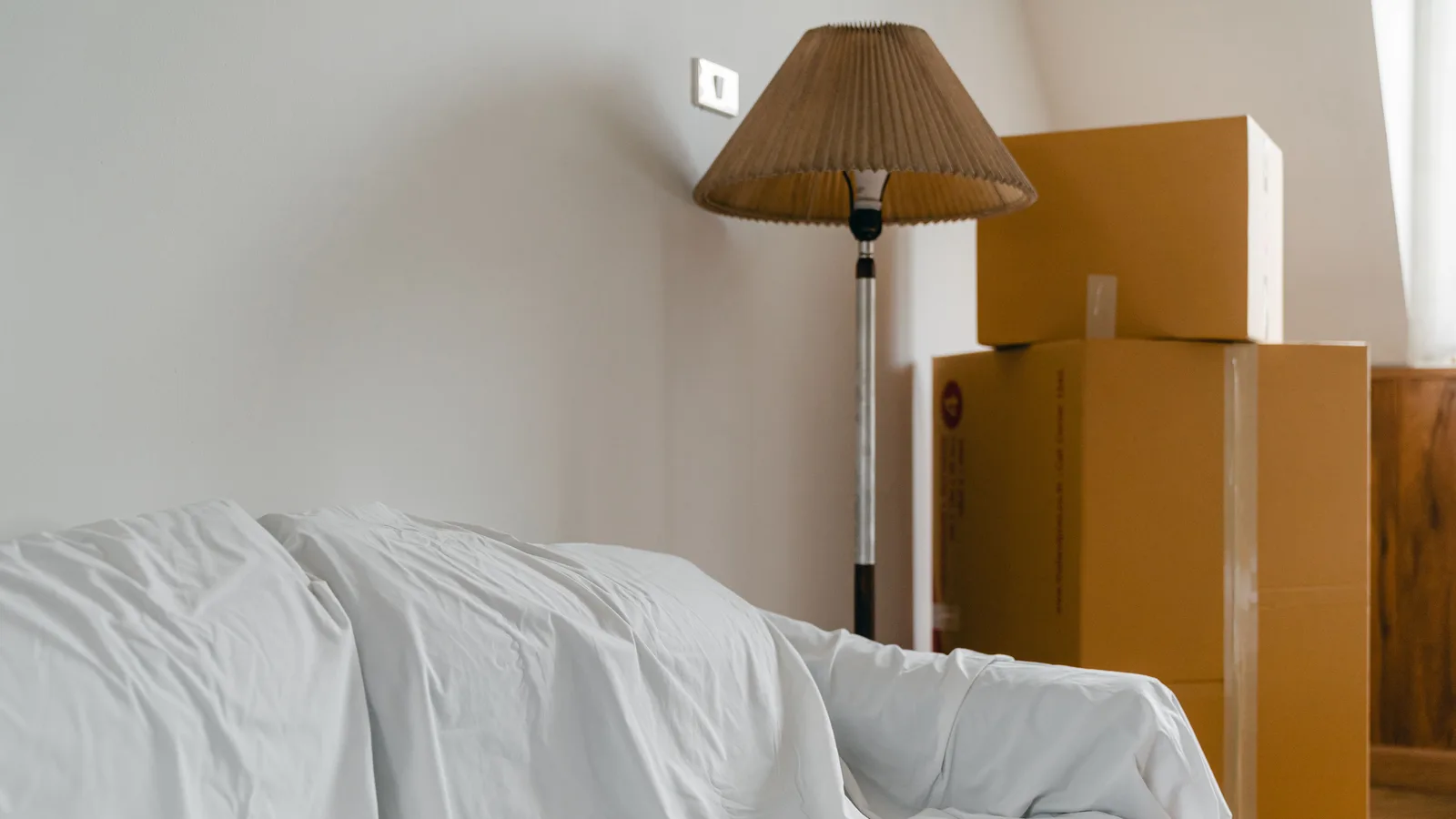
Set a furniture budget around the rooms you need to live in first, not every empty room you now own. Start with sleep, seating, meals, storage, and basic function. Buy slowly where comfort, safety, or durability matters, and allow the rest of the house to develop as you learn how you use it.
A first-time homebuyer should budget for the furniture needed to sleep, sit, eat, and use the home safely, then add the rest over time instead of trying to furnish every room immediately. Empty rooms create pressure. That pressure is expensive.
My view: a partly furnished house that works is better than a fully furnished house bought in a hurry.
Closing does not end the spending. Moving supplies, utility setup, cleaning tools, window coverings, small repairs, replacement locks, appliances, yard work, and the first round of household purchases can arrive quickly. Furniture belongs in that larger picture. It should not consume money you may need for the less photogenic parts of moving in.
A useful budget is not a single number pulled from a decorating checklist. It is a sequence of choices based on what your household needs first.
Buy for basic daily life first
Start with the bedroom. A bed, mattress, and basic clothing storage affect every day immediately. Sleep is not a decorative priority. It is a practical one. If you already own a serviceable bed frame or dresser, use it for now rather than replacing it because it does not match the new house.
Next, address seating. You do not necessarily need a complete living room. You need somewhere comfortable and safe to sit. That may be a sofa, a small sectional, chairs, or even a temporary combination while you decide how the room works. Avoid buying oversized seating before you have measured the room and lived with the traffic patterns.
A table and chairs may be essential if you eat at home, work from home, help children with schoolwork, or need a stable surface for daily tasks. In other households, a dining room can wait. The same is true for guest rooms, formal living rooms, bonus rooms, and decorative entry spaces. Empty is not broken.
Make two lists: “needed in the first month” and “useful later.” The first list should be short. It may include beds, seating, a dining surface, lamps, basic storage, and window coverings where privacy requires them. The second list can hold rugs, accent chairs, artwork, media furniture, extra bedroom pieces, patio furniture, and room-specific upgrades.
A household with a baby, a pet, or limited mobility may have a different first-month list. A stable chair with arms, a safe place to feed a child, a gate, or storage that keeps supplies off the floor may matter more than a coffee table or decorative console. Build the list around real routines, not the rooms you think a finished home is supposed to display.
Leave room for the costs you cannot see yet
A new home reveals itself slowly. A closet may need shelves. A room may need better light. A back door may need a curtain. The garbage cans may be smaller than expected. You may discover that you need a dehumidifier, a ladder, a tool, or a different storage solution before you need another decorative chair.
Keep part of your available money uncommitted after closing. This is not pessimism. It is ordinary homeownership. A purchase that feels urgent in an empty room often looks less urgent after a few weeks of living there.
Avoid treating credit availability as the furniture budget. The ability to buy something does not make it the right time to buy it. A staged plan gives you room to choose better pieces and reduces the chance of filling rooms with furniture you later need to sell, donate, or move to the garage.
If friends or family offer furniture, accept selectively. A solid, useful table can be a gift. A large worn cabinet that does not fit through the door may become a burden. Measure first, and be honest about whether you have a place for it.
Decide what to buy new and what to buy used
Used furniture can be excellent for hard pieces: wood tables, desks, bookcases, dining chairs, dressers, certain cabinets, and simple frames. Look for stable construction, functioning drawers, solid joints, and surfaces you can clean or refinish. Minor cosmetic wear is often manageable. Wobbling joints, deep water damage, strong odors, and missing structural parts deserve more caution.
For upholstered furniture, inspect carefully. Look under cushions, along seams, and beneath the frame. Be alert for pest signs, lingering odors, smoke exposure, moisture damage, or sagging support. A low price does not compensate for bringing a difficult problem into your new home. When in doubt, pass.
Mattresses are generally a purchase where buyers often prefer new for hygiene, support, and warranty reasons. The same logic can apply to items with unknown wear or sanitation concerns. With electronics or mechanical furniture, confirm that every function works before handing over money.
New furniture is useful when fit matters, when you need a warranty, or when you cannot afford a surprise repair. It also makes sense for a sofa used daily, a bed foundation, or a dining set that must tolerate an active household. “New” does not automatically mean better. Inspect materials, hardware, joinery, and return policies.
A useful middle option is to buy one durable core piece new and use lower-risk temporary pieces around it. For example, you might choose the daily-use sofa carefully while using a simple secondhand side table and basic lamps until you know the final layout. That approach protects the budget without forcing you to settle permanently for the items that matter most.
The 4Homes weekly email
Every Tuesday: what changed for homeowners this week, plus our newest guides.
No spam. Unsubscribe anytime.
Furnish one function at a time
The fastest way to overspend is trying to make every room look complete at once. Instead, finish one essential function, then move to the next. Get the bedroom workable. Then make the main living space comfortable. Then solve meals, work, storage, or whatever matters most in your routine.
Use temporary solutions without embarrassment. Folding chairs, a simple table, borrowed lamps, moving boxes used briefly as storage, and an old bookcase can bridge a gap while you decide. Temporary does not have to mean careless. Keep walkways clear and avoid unstable arrangements, but let the house be unfinished for a while.
Living in a house changes your assumptions. A room that looked like a dining room during a showing may become a playroom, office, reading room, or storage area. A sunlit corner may become the place everyone sits. Buy after you understand those patterns, not before.
Matching sets are convenient, but they can create a rushed and overly fixed room. You may prefer a mix of pieces over time. That approach can also let you spend more on the few items that take real daily wear and less on supporting furniture.
Time purchases without chasing every sale
Furniture sellers often run promotions throughout the year, especially around broad shopping periods, inventory changes, and seasonal transitions. Those events can be useful, but a sale is only a saving if you were already ready to buy the item and have checked the final terms.
Watch for delivery charges, assembly fees, return restrictions, backorder timing, and clearance conditions. A discounted sofa that arrives after you need it, cannot be returned, or costs more to deliver than expected may not be the best deal. Ask what is included.
Do not delay an essential bed or safe seating indefinitely while waiting for the perfect promotion. On the other hand, there is no reason to buy a complete guest room or formal dining set because a temporary sale creates urgency. Most furniture categories will be offered again.
Some buyers spread furniture costs over the first year through savings or financing rather than one lump purchase, depending on their needs and plans.
Frequently Asked Questions
What furniture should I buy first after moving into a home?
Start with the pieces that support everyday living: a bed, basic seating, a place to eat or work, lighting, and storage as needed. The right order depends on your household, but decorative rooms can usually wait.
Is used furniture a good idea for first-time homebuyers?
It can be a smart choice for solid wood pieces, tables, desks, and storage furniture in good condition. Inspect upholstered and mattress-like items more carefully because cleanliness, pests, odors, and hidden wear can be harder to assess.
Should I buy a whole matching furniture set?
Only if it truly fits your rooms, needs, and budget. Buying pieces over time often produces a more useful home and lets you learn how each room is actually used.