4Homes desk
Repair & Fix-It Guides for Homeowners
Every home system eventually needs a decision: repair it, replace it, or watch it for another season. This desk is built around that decision — what a roof, HVAC, electrical panel, or plumbing problem actually looks like before you call anyone, and what a contractor's quote should include so you can compare bids on the same scope instead of just the bottom-line number. It also covers the first-response steps for the moments that cannot wait: a burst pipe, a gas smell, a sewage backup, a tree through the roof.
The guides are organized around real symptoms — a dishwasher that will not start, an AC that runs but does not cool, a water heater that will not heat — because that is how the problem actually shows up. Each one separates what you can safely check yourself from what needs a licensed professional, and gives you the language to describe the problem accurately when you do call one. The goal is a better decision, not a DIY project you were never equipped to finish.
52 guides in this desk · see every desk · all homeowner guides
How to use this desk
Before any guide about a specific system, the one skill that applies to every repair on this desk is reading a contractor's quote well enough to compare it against another one. That's why it leads the reading path below — everything after it is a specific system, but the quote-comparison guide is the lens you bring to all of them.
From there, work outward from the systems most likely to fail expensively without warning: the roof, because its failure mode is slow until it isn't, then HVAC, because repair-or-replace is usually a financial question as much as a mechanical one. The water-leak plan comes last on purpose — it's the guide you want already read before the pipe actually bursts, not the one you're searching for while standing in water.
The rest of the desk is organized by symptom rather than by system, because that's how a real problem actually announces itself — a toilet that won't stop running, a breaker that keeps tripping, a smell you can't place. Each symptom guide separates what's safe to check yourself from what needs a licensed electrician, plumber, or HVAC technician, and gives you the specific language to describe the problem accurately on the phone, which is often the difference between a diagnostic visit and a second guess.
A handful of guides here are genuine first-response situations rather than planning guides — a gas smell, a sewage backup, a tree through the roof — and they're written to be read in the moment, not in advance. If what's in front of you right now matches one of those, go straight to that specific guide before anything else on this desk.
Start here, in order
- 1How to compare contractor quotes line by line
Compare contractor quotes line by line across scope, materials, allowances, payments, changes, and closeout before choosing a bid.
- 2Plan for the roof before the roof chooses the date
How to track roof condition, weigh repair against replacement, and ask better questions before signing any roofing proposal or contract.
- 3HVAC repair or replace: make the call without guessing
Use comfort, repair history, equipment condition, and the proposed fix to make the call instead of guessing from age alone.
- 4Build a home water-leak plan before you need one
Map every shutoff, watch the highest-risk areas of the house, and make the first minutes of a water leak less chaotic and costly.
Urgent vs. can wait
- Urgent now: gas smell, active flooding, sparking outlets, no heat in freezing weather
- Same week: a system that still works but is clearly failing (grinding, leaking, tripping repeatedly)
- Can wait for a scheduled visit: cosmetic wear, slow performance loss, anything with a safe workaround
- When unsure, the symptom-specific guide on this desk will usually say which bucket you're in
Section 01
Repairs & systems
Know what is urgent, what can wait, and what a useful quote should include.
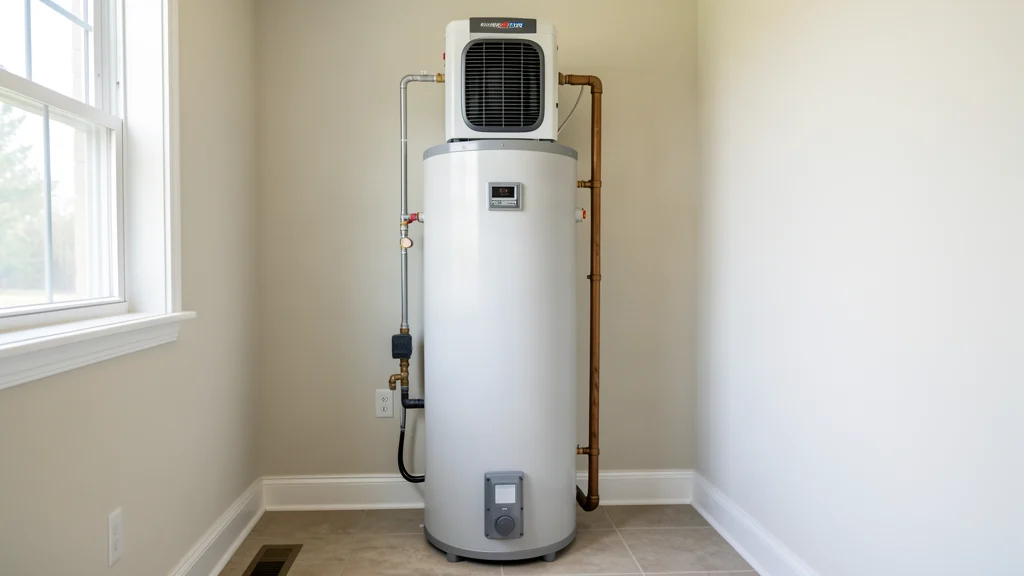
Is a heat-pump water heater right for your home?
Compare hot-water demand with space, airflow, drainage, electrical work, sound, incentives, maintenance, and the complete installed cost.
Open guide
Washer drained but won't spin? Separate the load, lock, and spin clues
Confirm the tub drained, then separate load balance, cycle selection, and lock behavior without bypassing the interlock or opening the cabinet.
Open guide
Refrigerator door not sealing? Protect the food before replacing the gasket
Use time and temperature first, then map obstructions, gasket contact, door alignment, cabinet position, and cooling performance.
Open guide
Dishwasher won't start? Read the controls before resetting it
Separate door, lock, delay-start, water-supply, and power states before resetting the dishwasher or opening anything electrical.
Open guide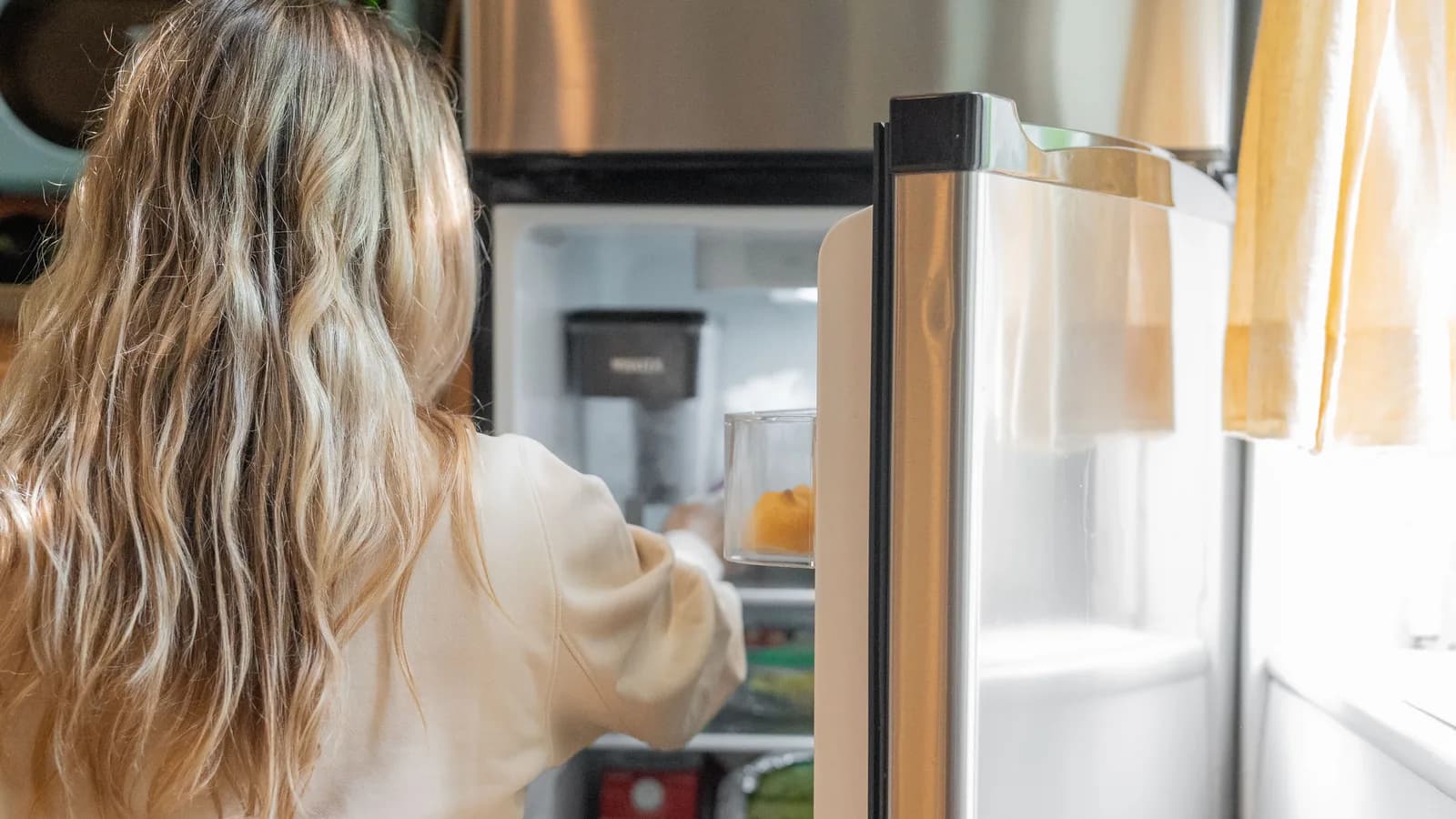
Ice maker stopped making ice? Separate cooling from the water path
Protect food first, then check model controls, freezer temperature, filtration, and the visible water supply before calling appliance service.
Open guide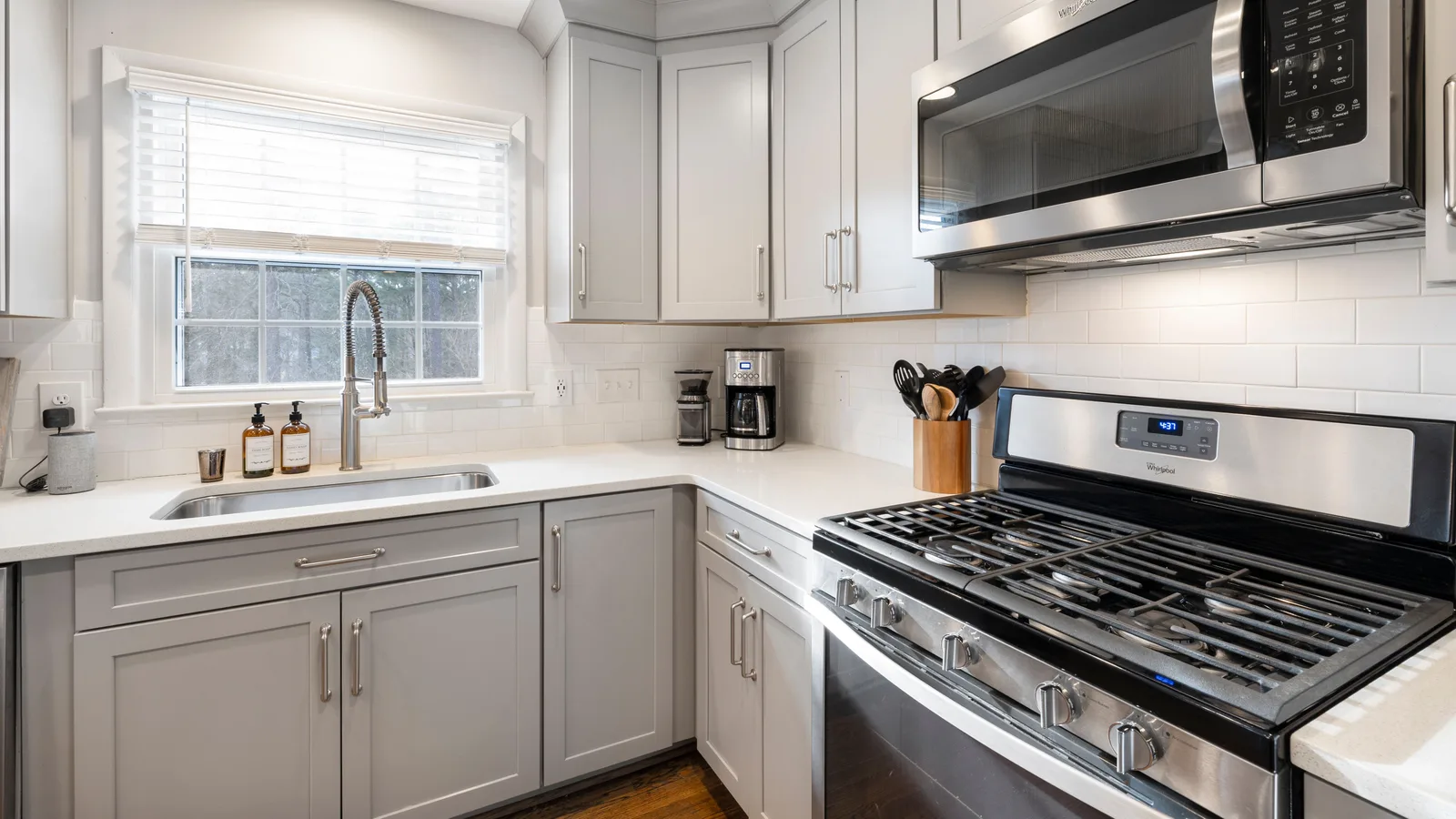
Range hood not clearing smoke? Prove the air path before replacing it
Distinguish ducted from recirculating operation, service the correct filter, and document capture, duct, termination, and replacement-air limits.
Open guide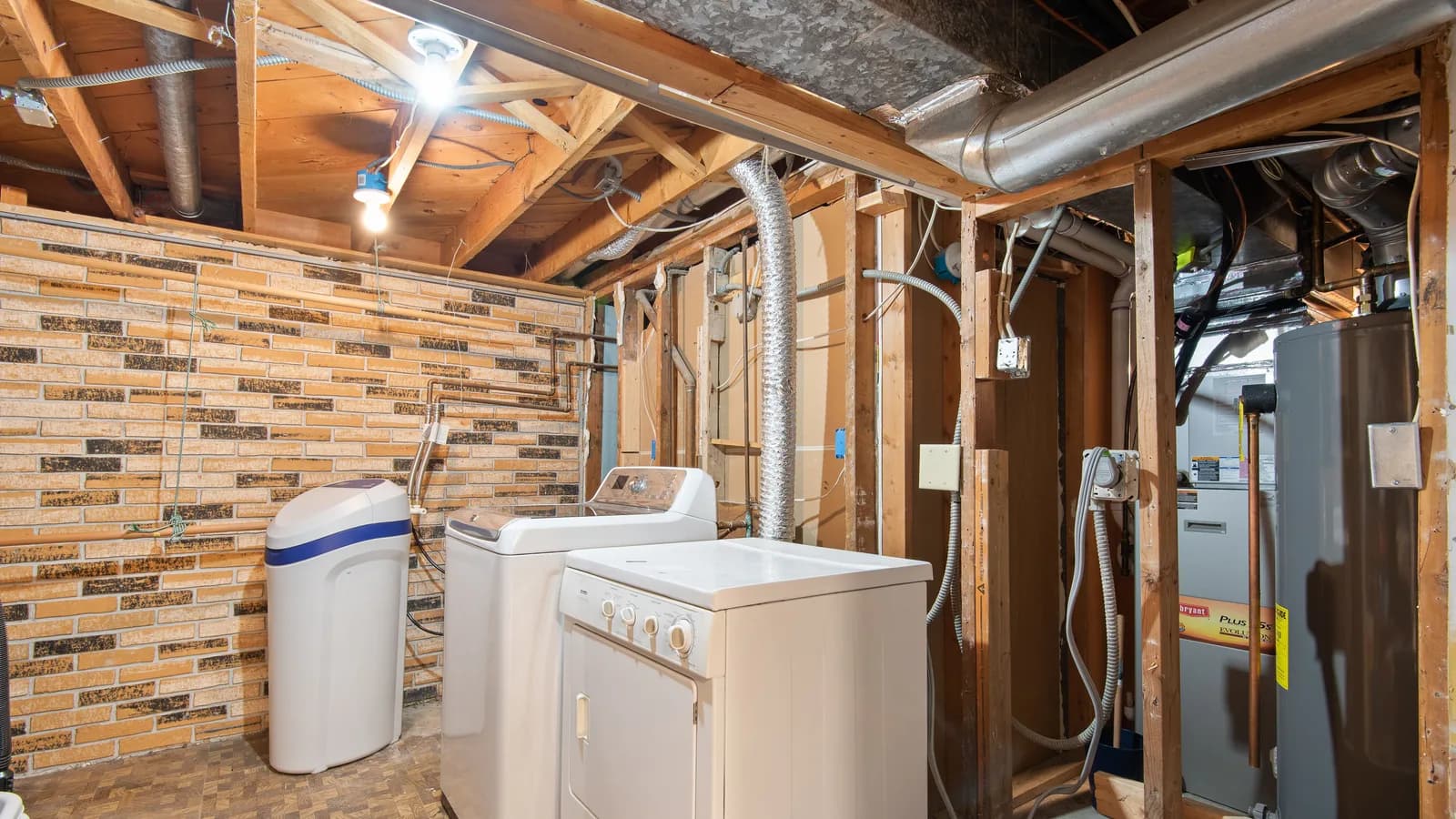
Water softener not using salt? Check the bypass before the brine tank
Verify hard water, bypass position, settings, and one documented recharge before blaming the resin or breaking a suspected salt bridge.
Open guide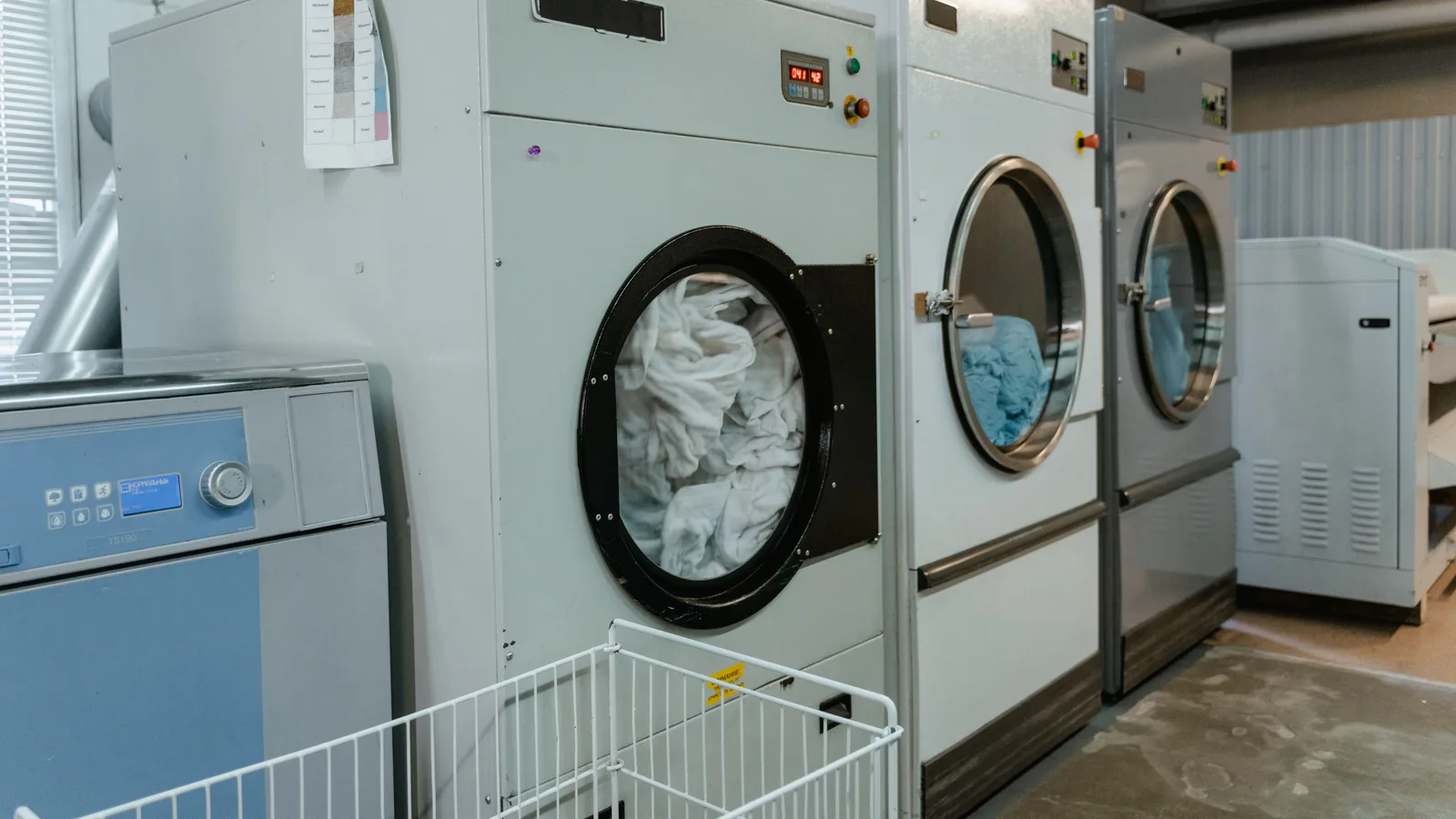
Dryer taking too long to dry? Find the restriction before adding time
Separate load, filter, vent, installation, and appliance causes, with a firm stop-use boundary for odor, abnormal heat, smoke, gas, or damaged connections.
Open guide
Why does my basement smell musty? Map the moisture source first
Map odor location against rain, plumbing use, humidity, HVAC operation, and damp materials before buying deodorizer, equipment, or remediation.
Open guide
Frozen pipe and no water? Find the shutoff before the ice
Rule out a utility interruption, prepare for a hidden pipe split, and keep any thawing attempt inside a narrow, clearly defined safety boundary.
Open guide
Water-heater warning signs worth acting on
What to notice around a tank or tankless water heater before a small issue turns into lost hot water, a flood, or an emergency repair.
Open guide
One slow drain or a sewer-line problem? Follow the clues
Use the number of affected fixtures and the way they interact to decide whether to stop using water and call a plumber, utility, or septic professional.
Open guide
GFCI won’t reset? Build the electrician’s outage record
Keep the receptacle closed and unused while you map the outage, event timeline, connected equipment, and prior electrical work for service.
Open guide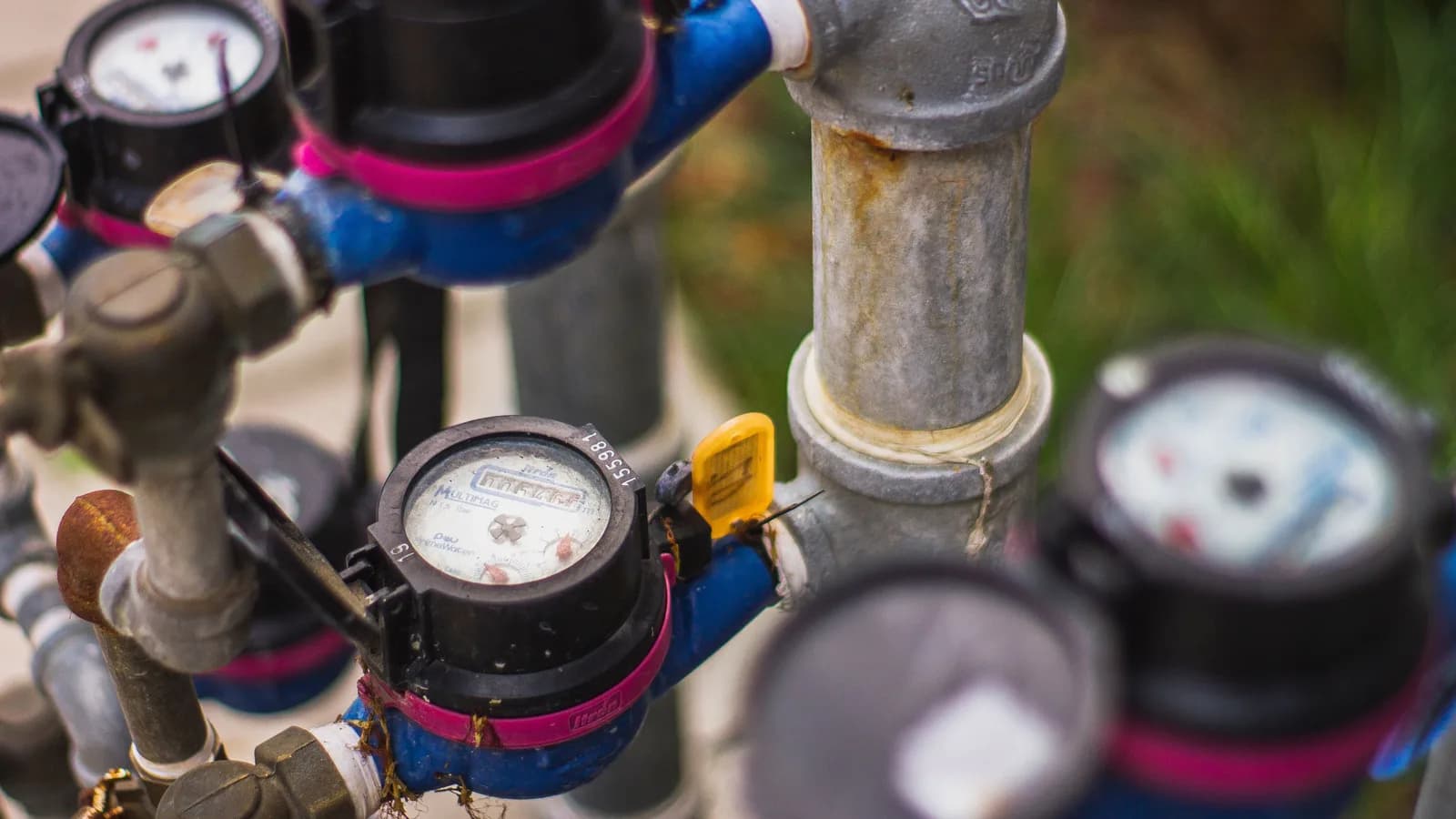
Water heater not heating? Prepare the plumber’s service file
No hot water? Build the equipment, warranty, and symptom file a plumber needs, and learn which signs mean stop and call for help now.
Open guide
Sump pump not working? Respond to the water before the motor
A failed sump pump during rising water needs safety steps first, then a mitigation log and separate repair, drying, and insurance records.
Open guide
What a septic pumping service should measure, remove, and record
Define the tanks, access, pre-pump measurements, included pumping and checks, disposal, safety boundaries, and service record before booking.
Open guide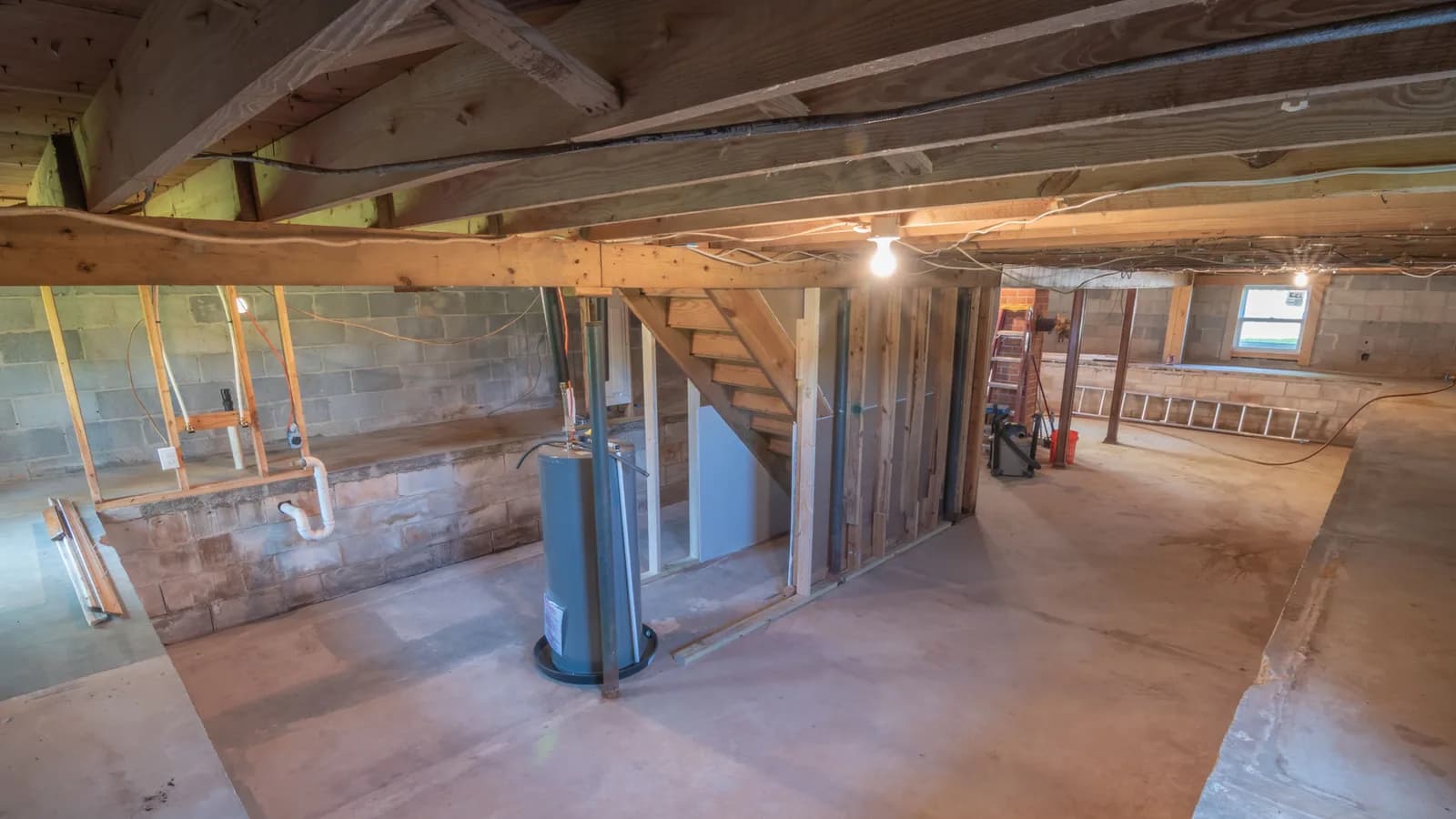
Compare water-heater replacement quotes by the installed system
Compare hot-water capacity, exact equipment, connections, permits, leak controls, conversion work, warranties, startup, and closeout.
Open guide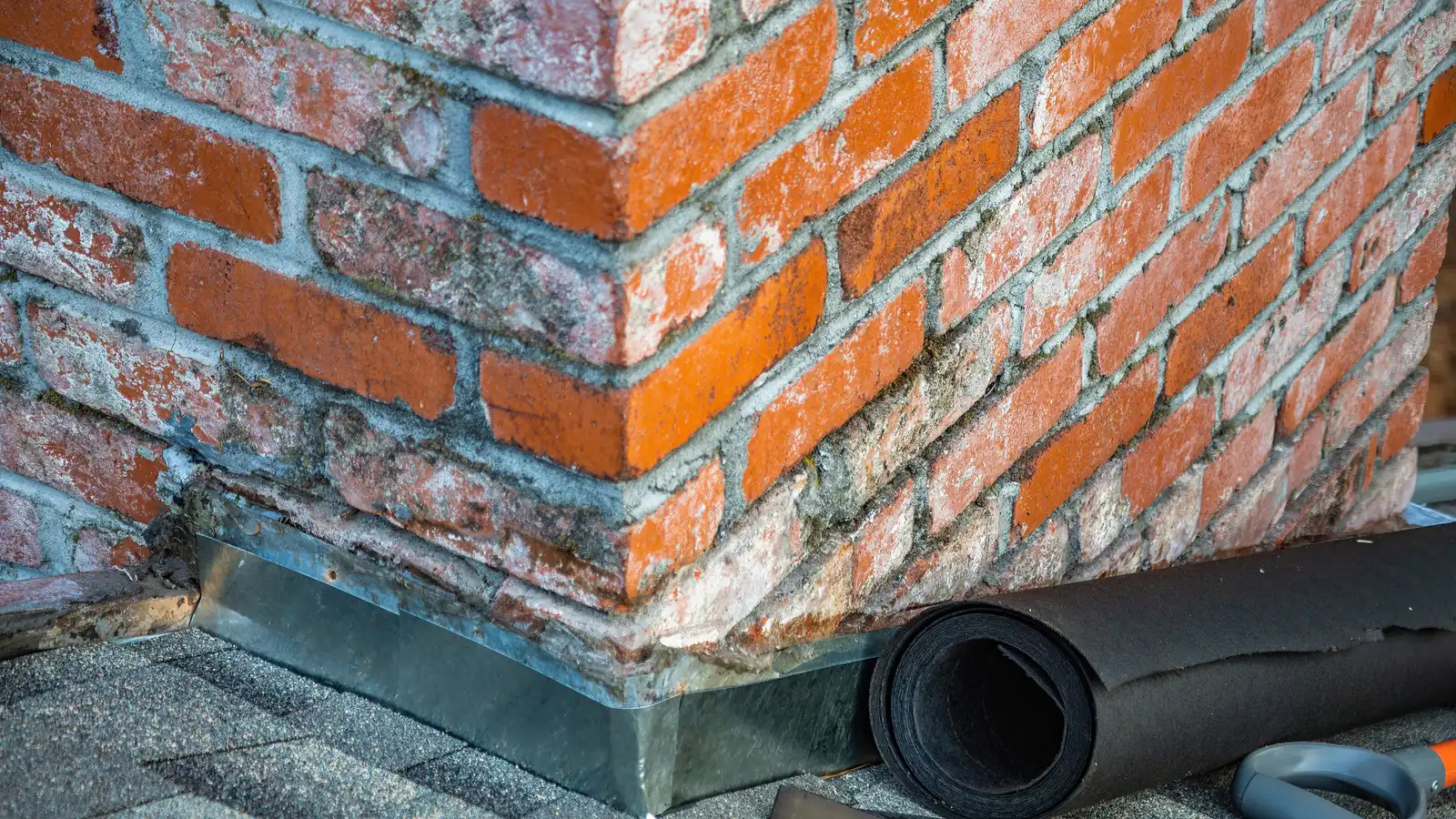
What a chimney-repair estimate should separate
Compare crown, flashing, masonry, liner or flue, appliance, and structural work with evidence, change rules, and a safe-use closeout.
Open guide
Make a crawl-space encapsulation quote diagnose the moisture first
Separate liquid water, soil vapor, air leakage, humidity, and contamination before comparing the liner, drainage, sealing, insulation, and drying scope.
Open guide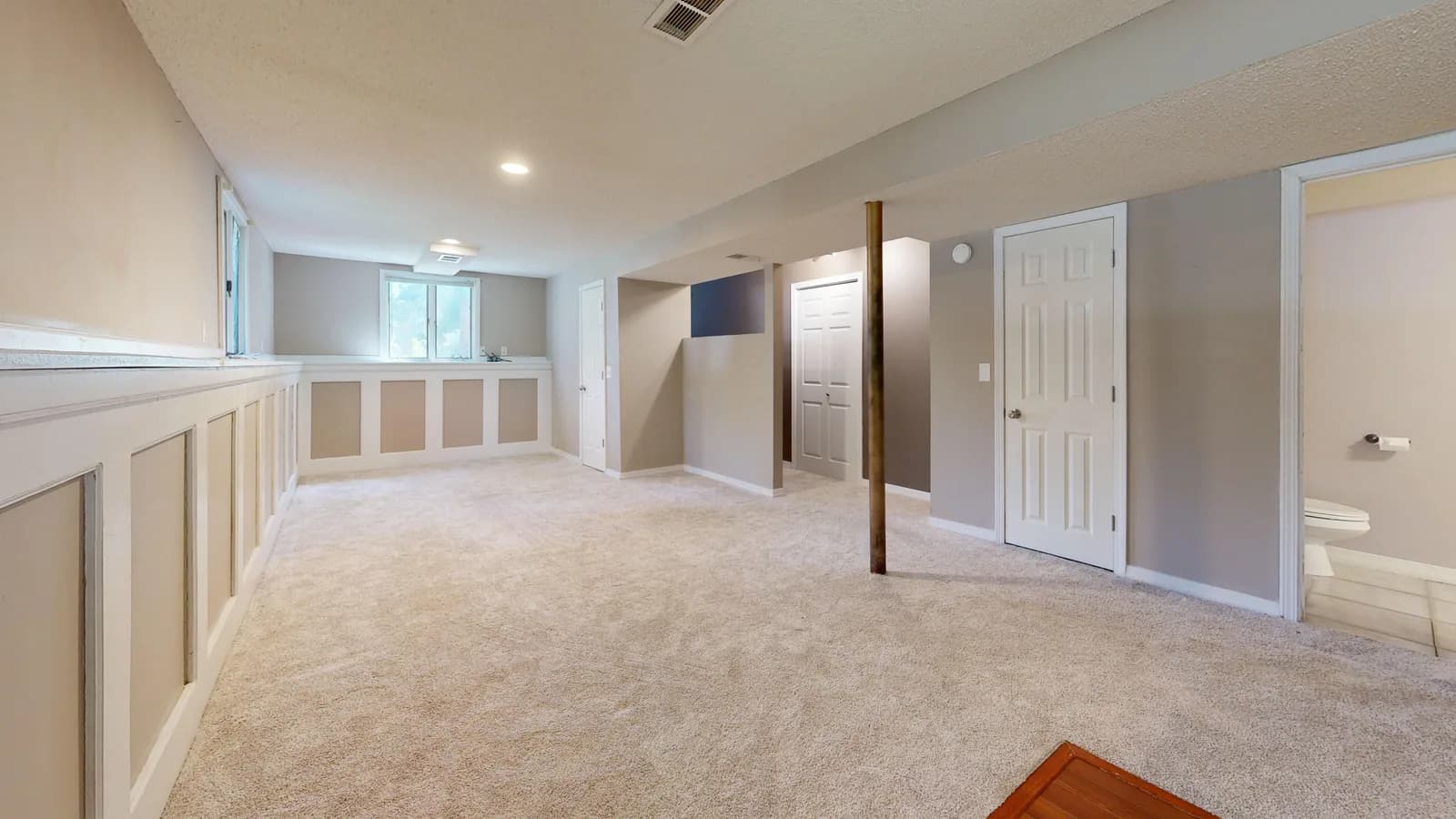
Make a basement-waterproofing proposal name the water path
Compare the diagnosed water path, interception point, drainage, discharge, concealed-work rules, safety stops, warranty, and proof.
Open guide
Compare electrical-panel replacement quotes by the actual service scope
Separate panel replacement from a service upgrade, then compare load calculations, utility work, circuits, permits, outage planning, and closeout.
Open guide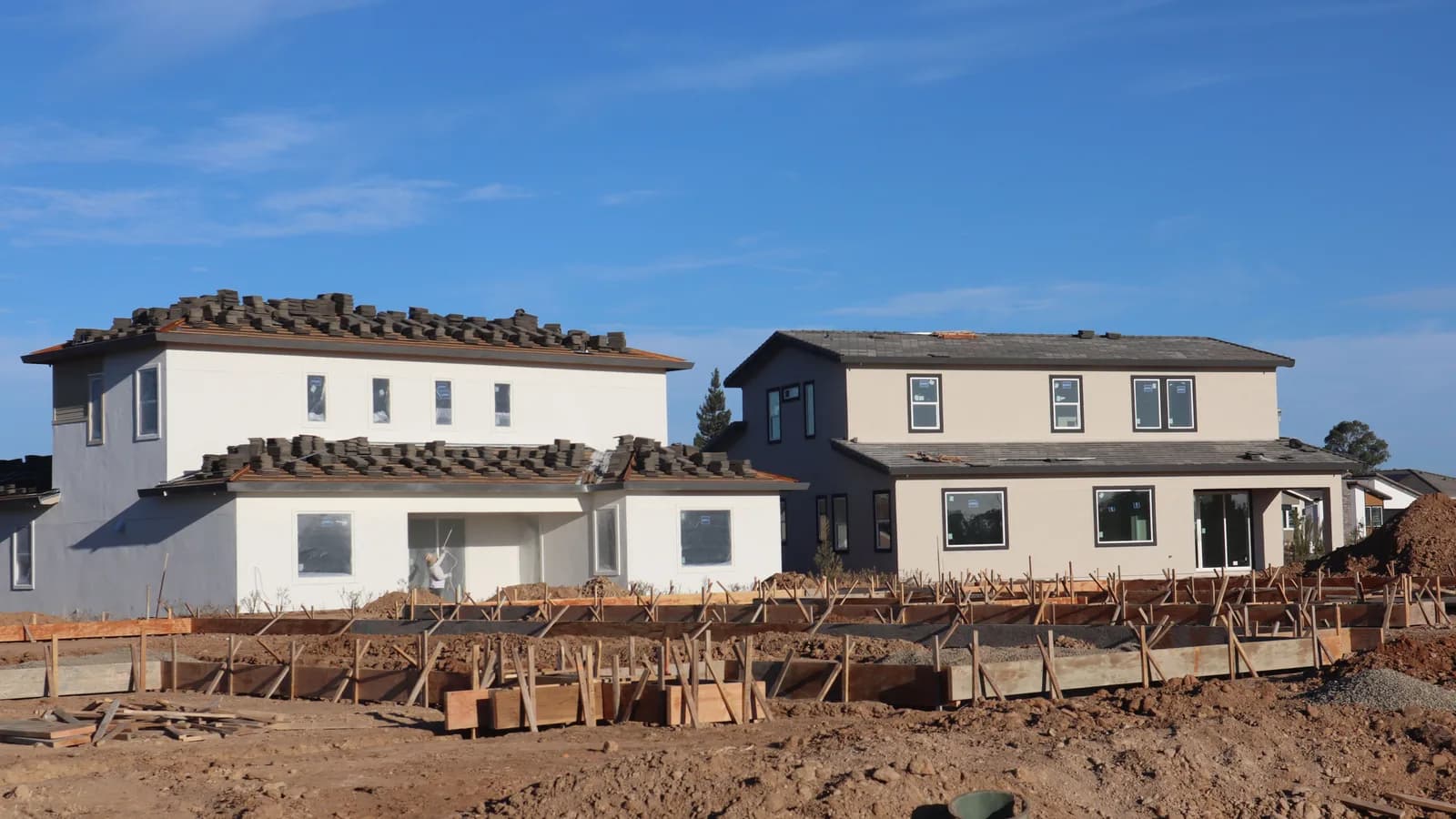
Compare foundation-repair proposals without buying the first diagnosis
Separate symptoms, diagnosis, and repair, then compare measurements, design responsibility, quantities, drainage, monitoring, and warranties.
Open guide
What should a sewer-camera inspection report include?
Define the inspected segment and zero point, keep the full video, map findings and limits, and create a usable repair handoff.
Open guide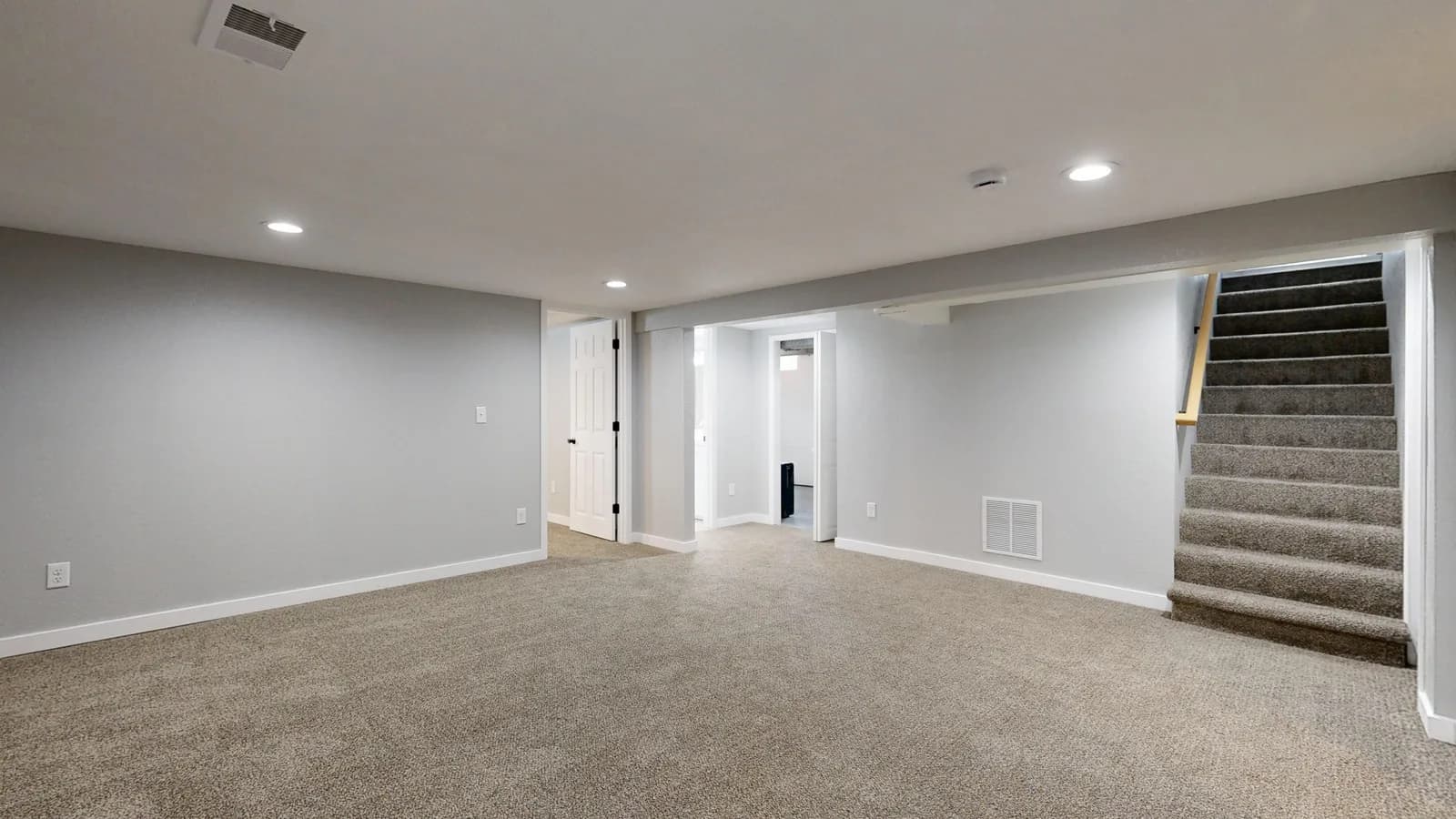
What should a crawl-space inspection cover?
Hire for a location-mapped inspection of moisture, structure, pests, insulation, ducts, plumbing, electrical conditions, access limits, and next steps.
Open guide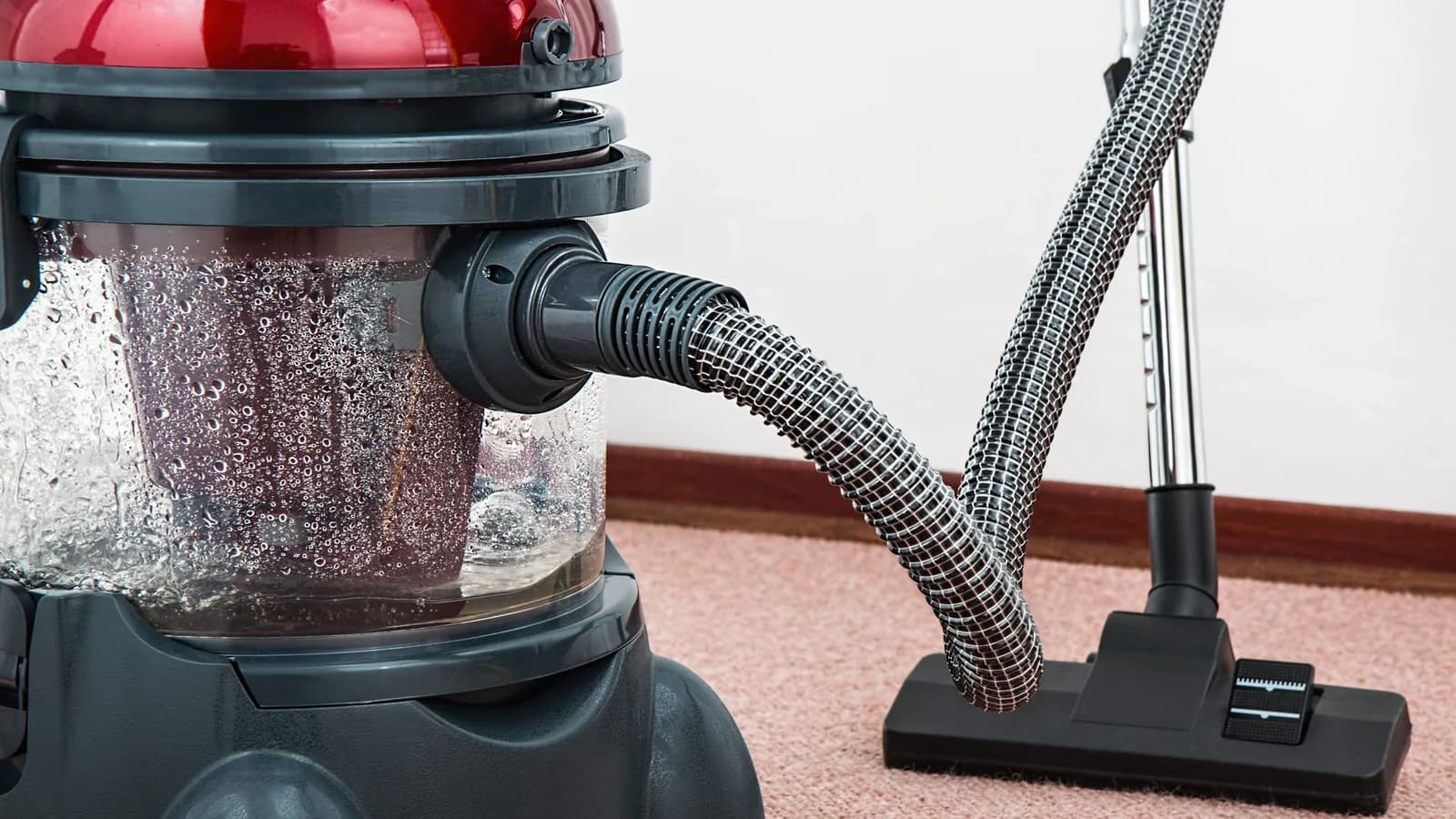
Make the water-restoration estimate show the drying plan
Separate emergency mitigation from reconstruction, map affected materials and readings, explain equipment days, and define drying closeout.
Open guide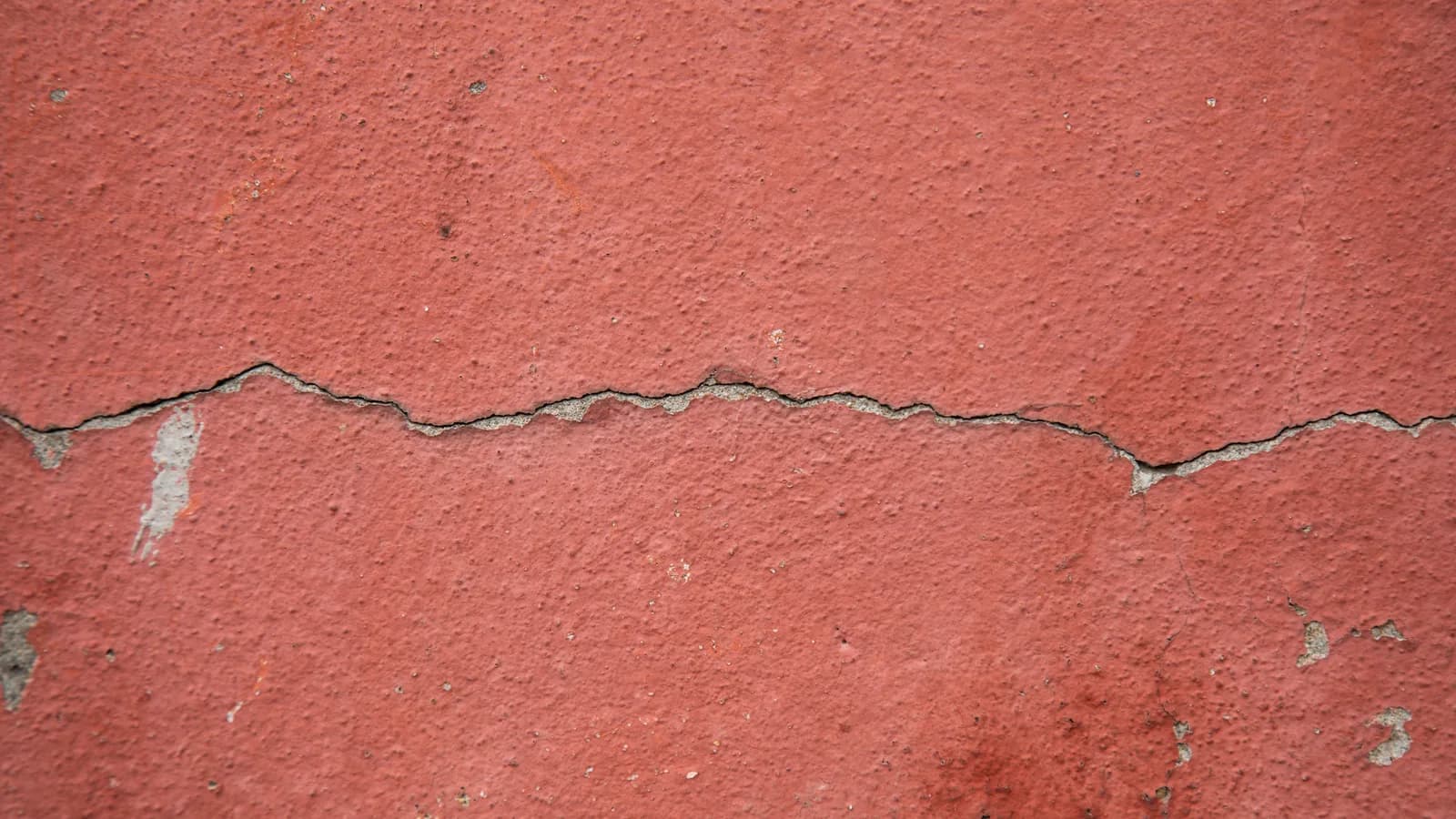
Found a foundation crack? Build the record before choosing a repair
Document the crack, weather, moisture, and whole-house symptoms before choosing monitoring, an independent structural evaluation, or repair.
Open guide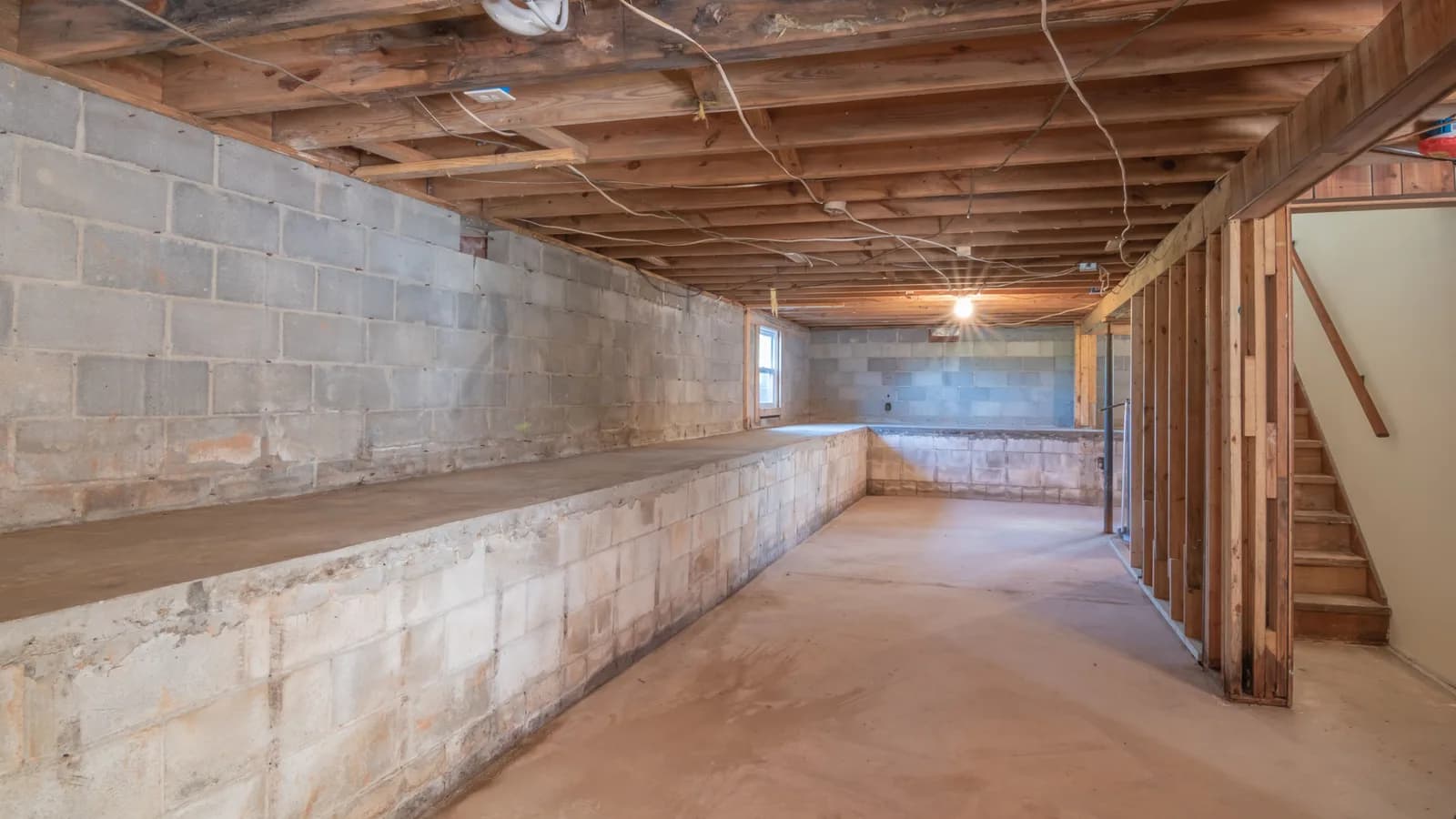
Choose a sump-pump backup by the water the house must move
Measure inflow, cycles, lift, outage needs, battery care, alarms, and discharge conditions before selecting a sump-pump backup.
Open guide
Build a septic maintenance record that sets the next service date
Map the system, keep measured solids and service notes, protect the drainfield, and set the next visit from evidence rather than a generic reminder.
Open guide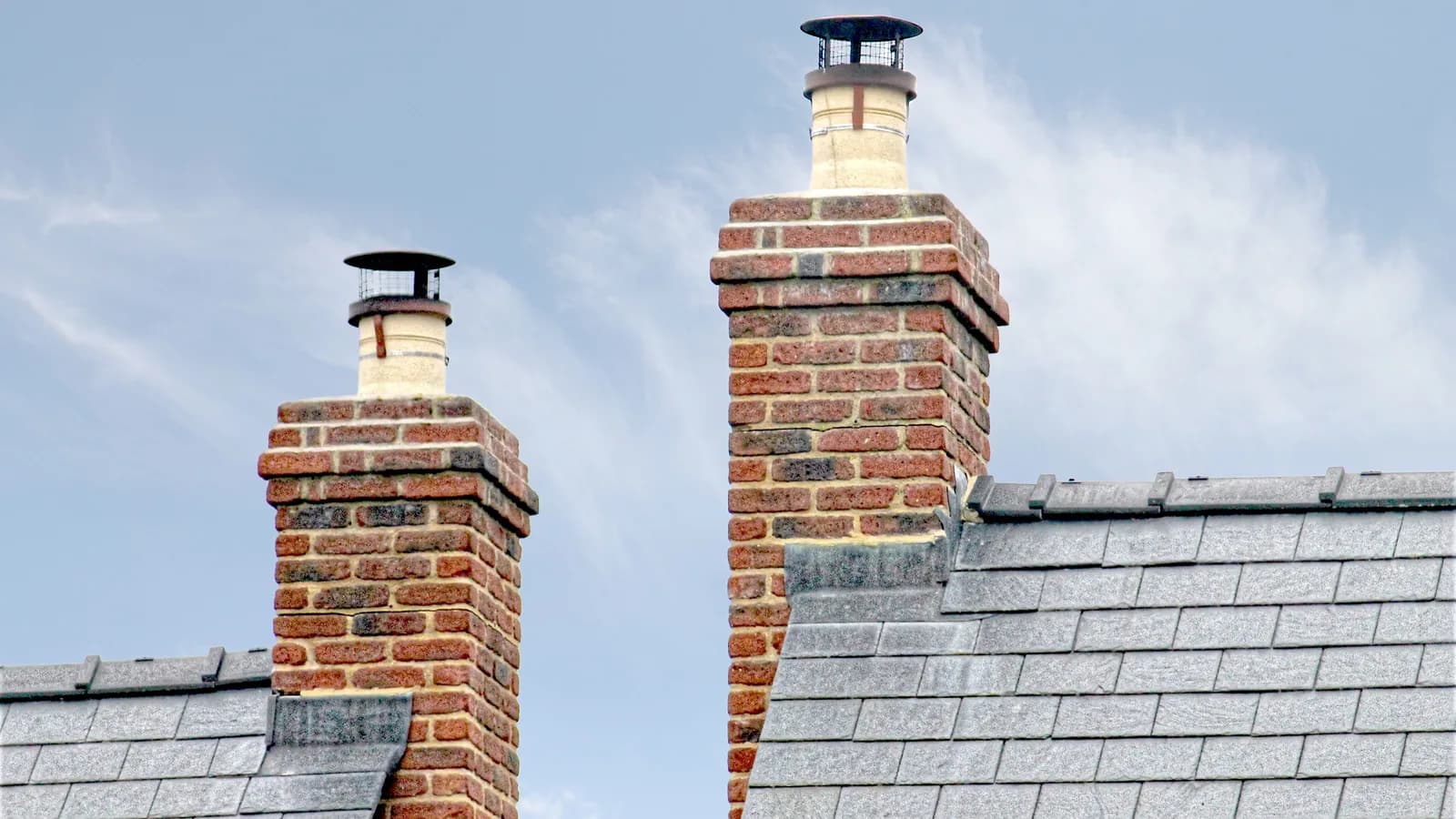
What should a chimney inspection include?
Separate cleaning from inspection, select the scope that fits the system and recent events, and require a written safe-use record.
Open guide
HVAC repair or replace: make the call without guessing
Use comfort, repair history, equipment condition, and the proposed fix to make the call instead of guessing from age alone.
Open guide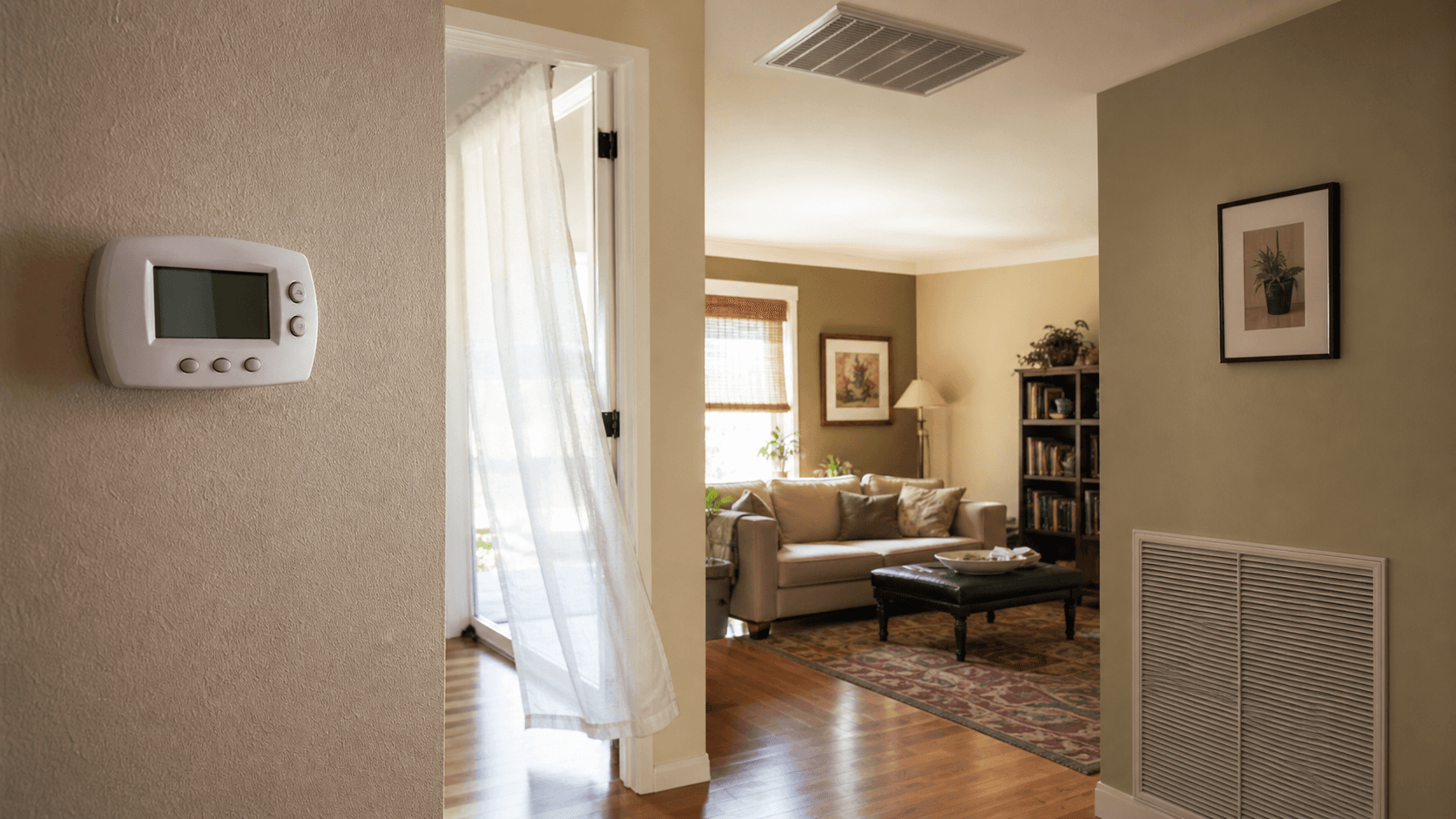
AC running but not cooling: safe checks before the service call
Separate a thermostat issue, weak airflow, visible ice, water, and electrical warning signs without opening the equipment or guessing at the repair.
Open guide
A toilet that will not stop running: what to check first
Stop the refill safely, watch one complete flush, and separate a fill problem from a seal, chain, handle, or overflow symptom.
Open guide
Plan for the roof before the roof chooses the date
How to track roof condition, weigh repair against replacement, and ask better questions before signing any roofing proposal or contract.
Open guide
How to compare contractor quotes line by line
Compare contractor quotes line by line across scope, materials, allowances, payments, changes, and closeout before choosing a bid.
Open guideSection 02
Safety & protection
Reduce household risk, document what matters, and prepare before something goes wrong.
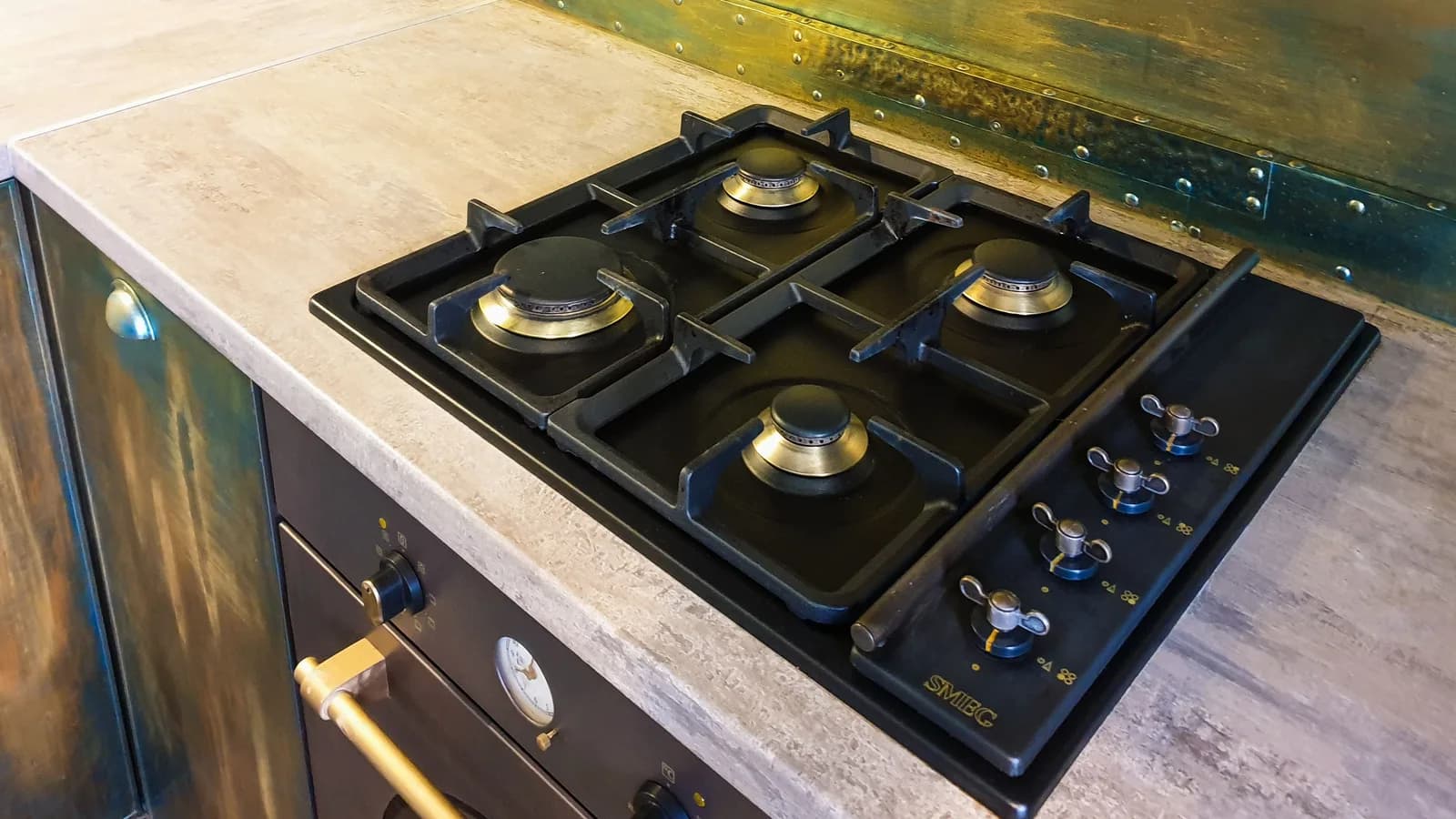
Smell gas in the house? Leave without touching switches
Evacuate immediately without touching switches or phones, call 911 and the gas utility from safety, and wait for explicit re-entry clearance.
Open guide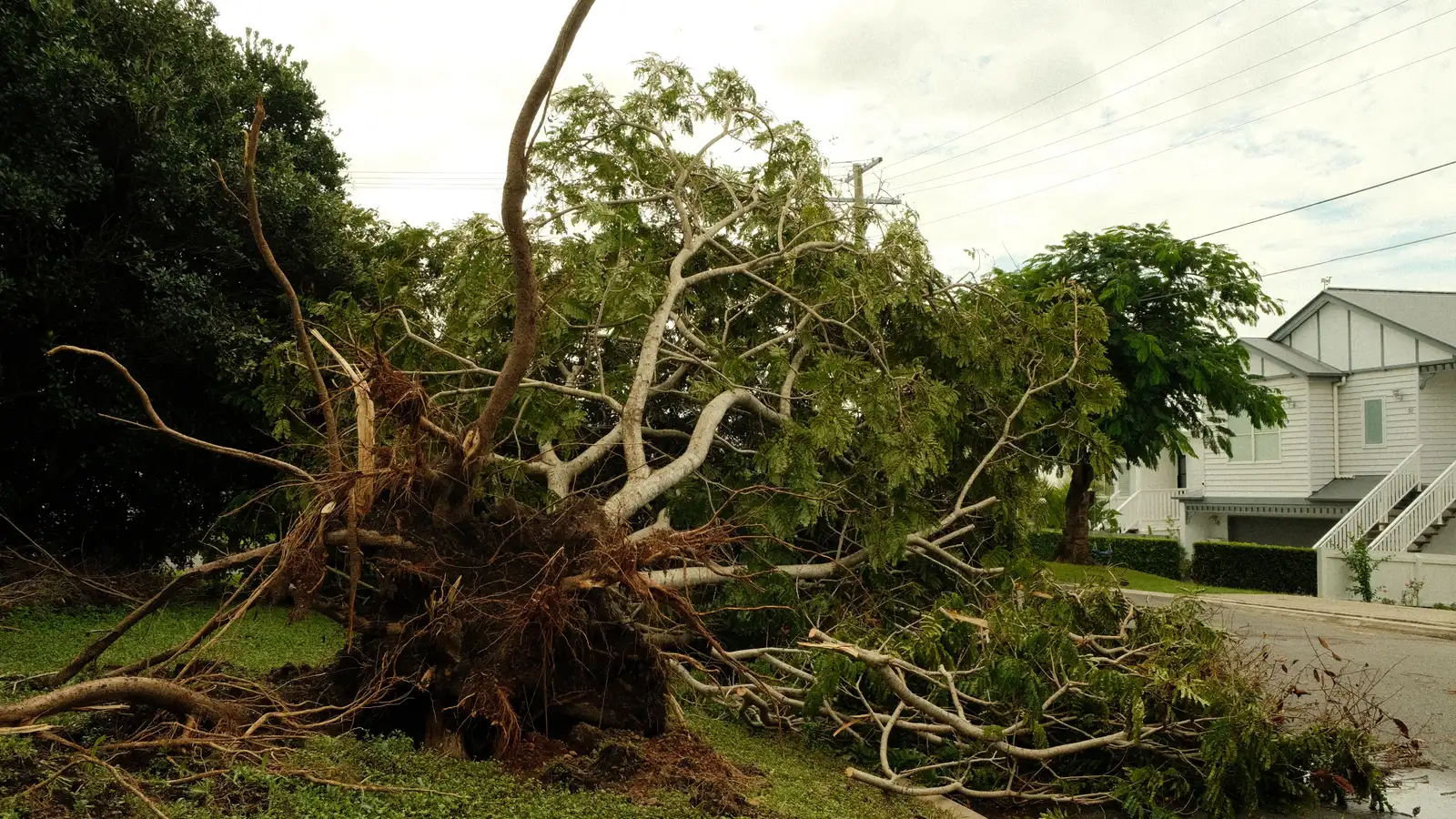
A tree fell on the house: make the site safe before the tarp
Follow the safe call order after a tree hits your house, document the loss, and separate tree removal, stabilization, and permanent repair.
Open guide
Sewage backed up in the house: stop the source before cleanup
Keep people away from contamination, stop household water use, separate electrical hazards, and coordinate plumbing, restoration, and insurance work.
Open guide
Oven won't turn off? Clear the heat zone before diagnosing the control
Try Off or Cancel once, clear the heat zone, and distinguish a normal cooling fan from continuing cooking heat before safe isolation and service.
Open guide
Garbage disposal leaking? Find the highest wet point before replacing it
Keep the unit off, protect the cabinet, and trace the highest wet point across the sink mount, hose, drain joint, plumbing, and disposal body.
Open guide
Microwave sparking inside? Stop the cycle before checking the cavity
Contain an active fire, remove unsuitable items only after cooling, and separate food or residue from cavity and high-voltage damage.
Open guide
Gas burner clicking but not lighting? Turn it off before checking the cap
Use the gas-odor exit branch first, then limit a cool cooktop check to model-approved cap position, dryness, and burner-port cleaning.
Open guide
Washer leaking during fill? Find the first wet point
Stop the water safely, record the cycle timing, and separate supply, dispenser, door, overfill, internal, and drain-path leaks.
Open guide
Furnace smells like burning? Know when to leave and when to shut it down
Separate a brief first-run dust odor from electrical, plastic, smoky, fuel, and combustion warnings without opening the furnace.
Open guide
What to do when a garage door spring breaks
Stop every opener, remote, release, and lifting attempt, keep clear of the door, and give a trained technician a safe, useful handoff.
Open guide
Suspect a chimney fire? Get out and call 911
Evacuate for roaring, smoke, sparks, or unusual chimney heat, leave extinguishment to firefighters, and do not reuse the system before inspection.
Open guide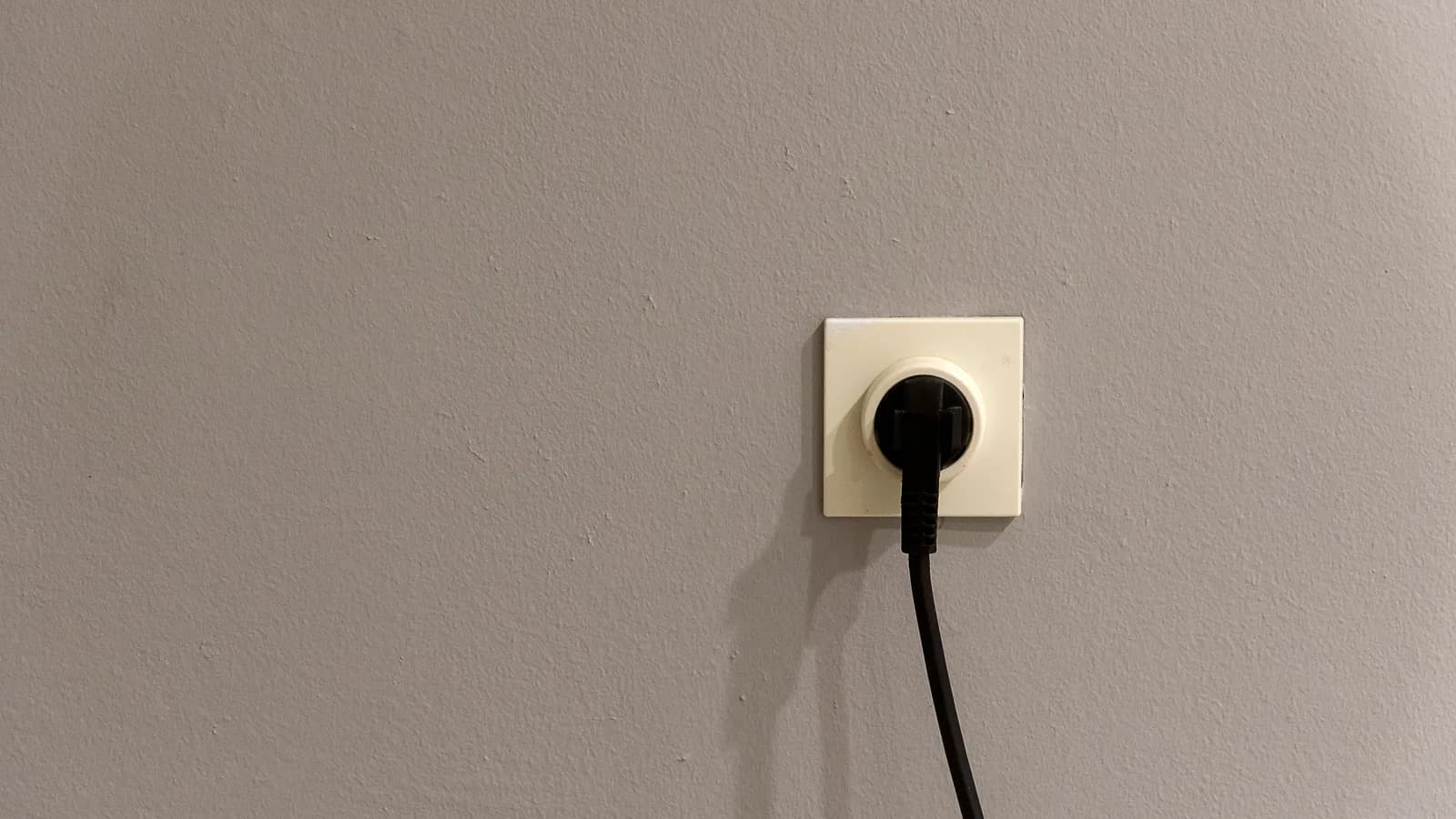
Outlet sparking? Stop using it and cut power safely
Keep hands off the outlet, leave for fire or smoke, cut power only from a dry safe panel, and preserve the event details for an electrician.
Open guide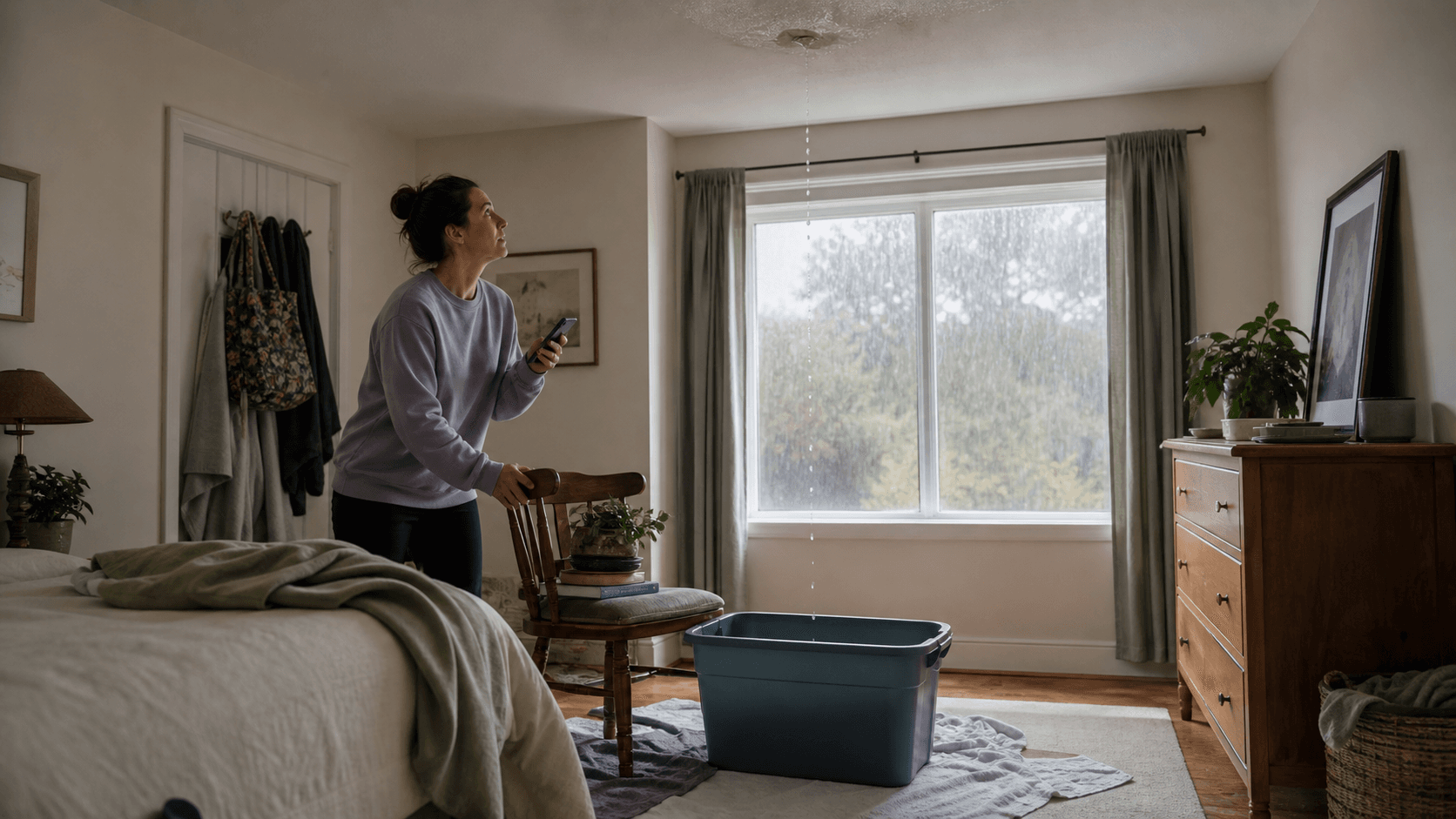
Roof leaking during a storm: protect the room without climbing up
Keep people clear of wet electricity and damaged ceilings, protect belongings from a safe edge, and document the leak from indoors.
Open guide
Review the home-insurance renewal before autopay
A focused annual review of property details, coverage assumptions, deductibles, discounts, and the open questions worth asking your agent.
Open guide
Turn loss evidence into a claim-ready inventory
Reconcile damaged property, ownership evidence, replacement research, adjuster requests, and settlement status in one claim packet.
Open guide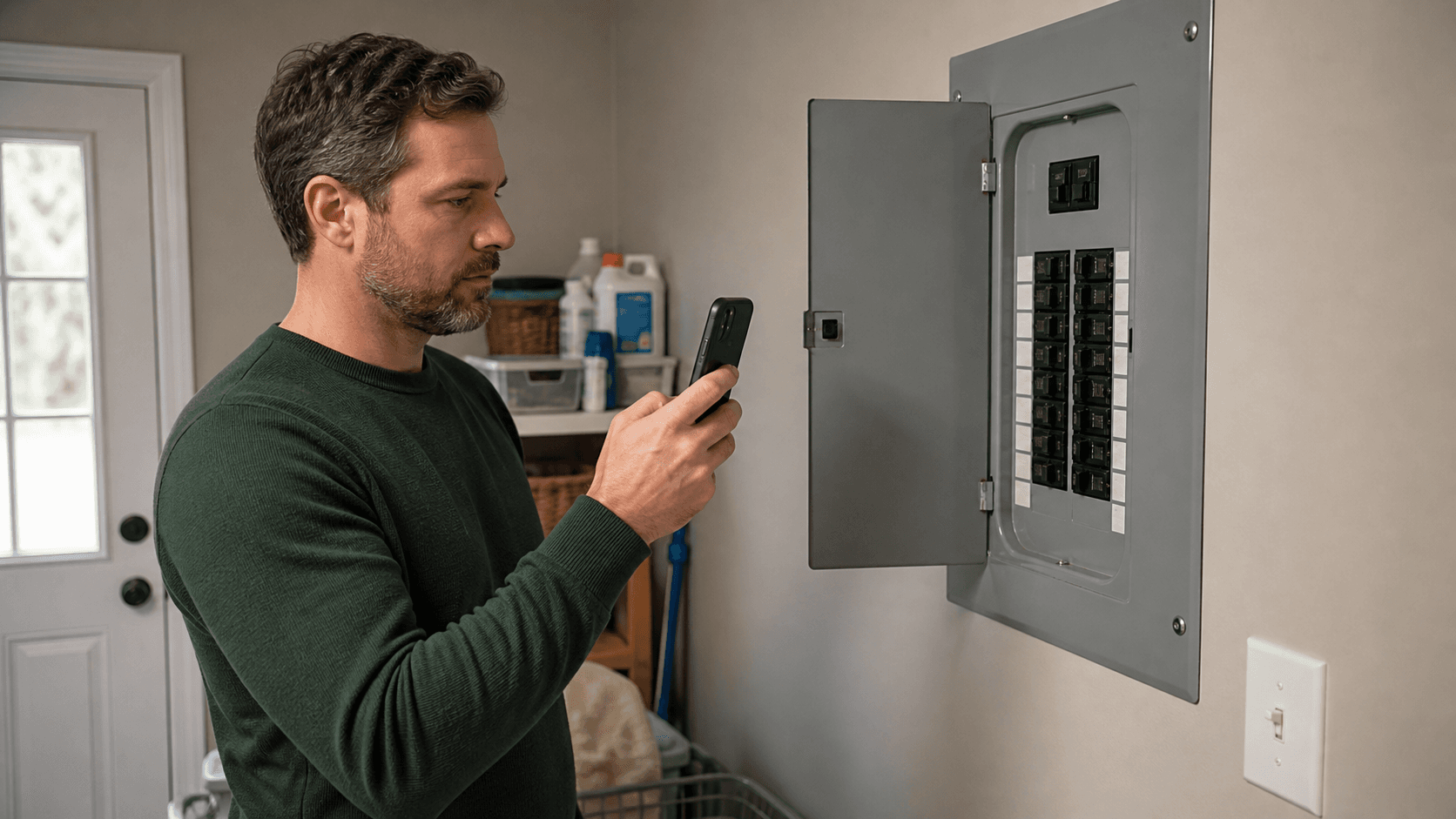
Breaker keeps tripping: what to unplug and record
Treat a repeated trip as a warning, remove ordinary portable loads safely, and give the electrician a useful record without opening the panel.
Open guide
Build a home water-leak plan before you need one
Map every shutoff, watch the highest-risk areas of the house, and make the first minutes of a water leak less chaotic and costly.
Open guide
Electrical Panel Safety Check: What to Look For
A homeowner's electrical panel check: what to look for from outside the panel, the warning signs that mean call an electrician, and what to never touch.
Open guideFAQ
Frequently asked questions
How do I know if a repair is urgent or can wait?+
Anything involving gas, active flooding, sparking electrical, or no heat in freezing weather is urgent -- address it the same day. A system that still works but is clearly degrading (unusual noise, intermittent failure, a slow leak) is a this-week problem. Cosmetic wear or a slow performance drop with a safe workaround can typically wait for a scheduled visit.
What should a repair quote always include?+
A written scope describing exactly what will be done, the materials or parts used, a cost breakdown (not just one bottom-line number), and the warranty on both labor and materials. If a quote is missing any of those, ask for them before you sign -- it's the only way to compare two bids on the same job.
How do I decide between repairing and replacing a major system?+
Weigh the repair cost against the system's remaining expected life and how often it's already failing. A single repair on an otherwise healthy system usually makes sense; a second or third repair within a short window on an aging unit is usually a sign replacement will cost less over the next few years, even if the upfront number is higher.
When should I call a licensed professional instead of handling it myself?+
Anything involving gas lines, the main electrical panel, structural elements, or a system still under manufacturer warranty should go to a licensed pro -- a DIY attempt can void the warranty or create a safety risk even when it looks like it worked. For everything else, the specific guide on this desk usually tells you what's safe to check yourself first.