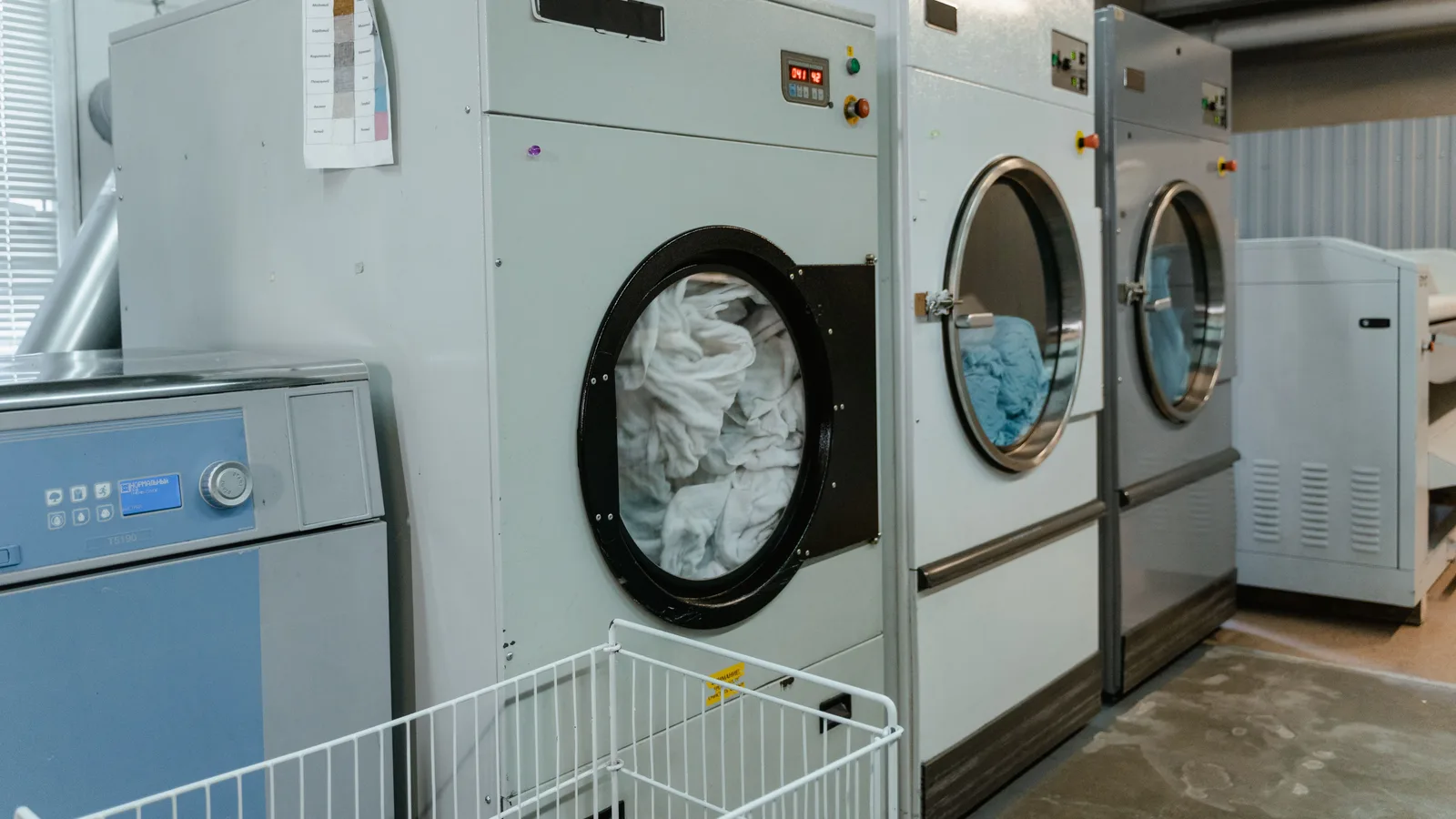
Separate the load, filter, vent, installation, and appliance before repeating a cycle, with a firm stop for odor, heat, smoke, gas, or damaged connections.
When drying time grows, build one service record before booking a vent cleaner, appliance technician, electrician, or gas professional. Stop using the dryer now for smoke, a burning or gas odor, sparking, abnormal heat, repeated shutdowns, a damaged cord, or a burned, melted, or loose vent connection. Those signs do not belong in a diagnostic load.
My view: the useful question is not “Who cleans dryers?” but “Which provider can prove the failed part of this system?” A vent invoice does not diagnose a heater or power problem. A new appliance does not fix a crushed duct hidden in a wall.
Open a one-page dryer file
Record the dryer model, fuel or electrical supply, purchase or installation date, vent termination location, visible transition-duct material, known repairs, and the last full vent service. Add the cycle and options used, load type and approximate size, washer spin result, elapsed time, final moisture, cabinet or room heat, error lights, and whether the outside hood opened. Photograph labels and visible connections without moving a heavy appliance or removing a panel.
Identify the dryer type before comparing times. A vented dryer, condenser dryer, and heat-pump dryer manage air and moisture differently. Confirm the chosen cycle in the model manual. ENERGY STAR notes that overloading slows drying because clothes need room to tumble and air needs room to circulate; a poor washer spin can also transfer excess water into the dryer.
Make the safe observations once
With the dryer off, clean and correctly reinstall the lint screen. Follow the manual if residue has coated it; ENERGY STAR says dryer-sheet film can reduce airflow, and USFA advises cleaning the filter before and after every load. Inspect only the accessible outside of the transition duct and hood. Note crushing, sharp bends, disconnection, damaged material, lint escape, or a hood that does not open during operation. Do not pull the dryer out if that could strain a gas, electrical, steam, drain, or vent connection.
If no stop-use sign is present, run one ordinary, repeatable load with room to tumble. Write down its starting wetness, cycle, elapsed time, temperature feel, and finish condition. End the test for odor, smoke, sparks, gas, unusual heat or noise, or another shutdown. Do not bypass a warning light, thermal device, switch, breaker, fuse, moisture sensor, or gas control.
Send the job to the provider who can test the suspected layer
Choose a qualified vent provider when the hood barely opens, the visible duct is damaged, the concealed route is long or unknown, lint is escaping, or prior cleaning has no complete-route record. The requested scope should identify the route and termination, inspect material and connections, document the pre-service airflow or pressure method it uses, remove the obstruction without damaging the duct, and repeat the same check afterward.
Choose appliance service when the complete exhaust path has been verified but heat, tumbling, sensing, noise, error codes, or shutdown behavior remains abnormal. Ask for model-specific tests and measured findings, not a trial part. Electric dryers can tumble after losing part of their required supply; a qualified technician or electrician should diagnose that. Gas odor, fuel concerns, repeated protective-device trips, abnormal receptacle heat, or damaged wiring require the appropriate gas or electrical professional.
The 4Homes weekly email
Every Tuesday: what changed for homeowners this week, plus our newest guides.
No spam. Unsubscribe anytime.
Require a handoff between trades
Give every provider the same file. If the vent company finds damage or an installation defect it cannot repair, require the location, photos, and next-trade recommendation in writing. If appliance service blames airflow, ask which observed value or condition supports that conclusion. Keep vent, appliance, electrical, and gas work as separate scopes so one provider's assumption does not become the next provider's diagnosis.
USFA advises that the vent behind the dryer not be damaged, crushed, or restricted and that the outdoor covering open during operation. Those are closeout facts a service provider can show. “We cleaned some lint” is not a complete result when the route, damaged connection, or termination was never inspected.
Close the record with the same ordinary load
After the approved repair, repeat the ordinary load using the same washer spin, fabrics, approximate size, cycle, and options. Record elapsed time, finish condition, hood operation, warnings, odor, and heat. Save the route diagram, before-and-after result, parts, installation corrections, invoice, and remaining limitations. That is the evidence that drying performance changed for the stated reason. For broader household energy clues, use theroom-by-room energy reset.