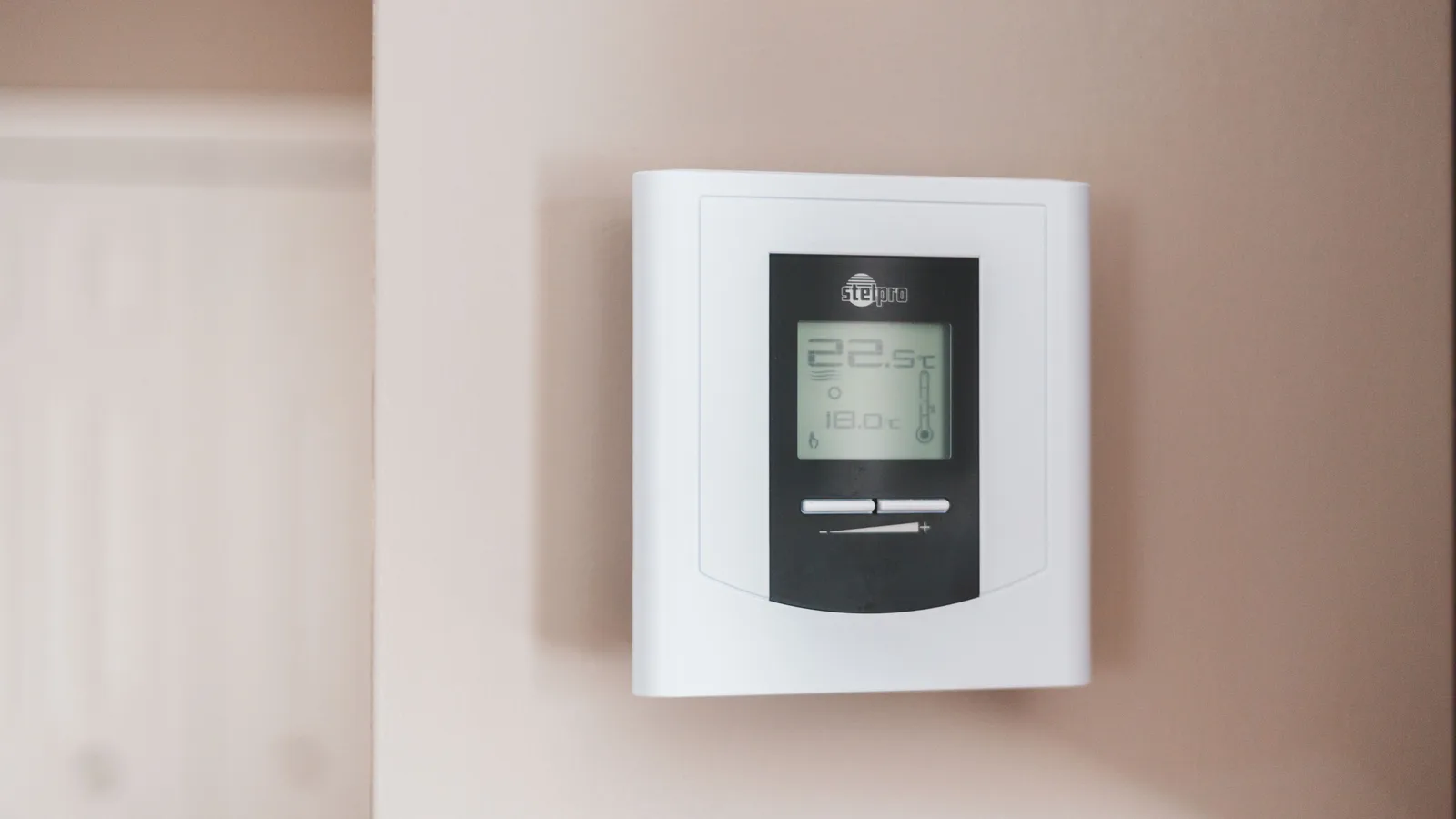
Map discomfort, controls, airflow, and obvious leakage before an expensive product becomes the answer.
Start an energy reset with the three least comfortable rooms, not a replacement window or a new machine. Record when each room feels wrong, check schedules and accessible airflow, look for obvious leakage or heat sources, and compare utility use across similar conditions. Diagnosis should lead the purchase.
The U.S. Department of Energy explains that efficiency can reduce energy use while supporting comfort and resilience in its overview of why energy efficiency matters. The homeowner's first job is to find where comfort and use diverge, not to calculate a building model from the couch.
Build a short discomfort map
Choose three rooms. For each, note whether the problem is heat, cold, stuffiness, glare, drafts, humidity, or uneven airflow. Add the conditions: time of day, sun exposure, outdoor weather, door position, appliance use, number of people, and thermostat setting. A west room that overheats late in the day is a different problem from a bedroom that is cold whenever the blower runs.
Compare supply airflow by hand only at accessible grilles. Make sure supply and return paths are not blocked by furniture, rugs, curtains, or storage. Do not close many vents to force air elsewhere. That can create pressure and airflow problems without solving the cause.
Check the controls before the shell
Read the thermostat schedule and compare it with the household's actual routine. Check whether portable heaters, dehumidifiers, exhaust fans, or window units are quietly compensating for a room problem. Look for lighting and electronics that add heat or stay on without a purpose. Change one understandable setting at a time and record the result.
Use manufacturer guidance for thermostat setbacks, heat-pump controls, filters, and ventilation equipment. Do not disable safety controls or use a breaker as an operating switch. A system that trips a breaker, smells hot, leaks water, forms visible ice, or cycles abnormally needs service rather than a more aggressive schedule.
Look for leakage without pretending to perform an audit
On a windy or temperature-different day, check accessible door and window edges for visible gaps, damaged weatherstripping, failed latches, or moving curtains. Inspect attic hatches and obvious utility penetrations only from safe, finished areas. Smoke pencils, open flames, and improvised pressure tests do not belong in a casual walkthrough.
Seal an obvious, ordinary gap only with a material suitable for that assembly. Fuel-burning equipment, shared flues, recessed fixtures, knob-and-tube wiring, wet materials, concealed cavities, and broad air-sealing projects call for professional evaluation. Tightening a house can affect ventilation and combustion safety.
Separate solar heat, air movement, and insulation
Use shades or curtains to test whether direct sun drives the problem. Note whether a ceiling fan improves comfort when the room is occupied, but remember that a fan moves air rather than lowering the room's actual temperature. Check whether insulation is visibly missing only from a safe access point. Do not crawl through an attic with uncertain decking, wiring, heat, pests, or suspect material.
If several rooms share the same issue, the envelope, ducts, equipment sizing, or controls may need measured assessment. If only one room changed after furniture, flooring, a remodel, or a closed door, bring that history to the diagnostic visit.
The 4Homes weekly email
Every Tuesday: what changed for homeowners this week, plus our newest guides.
No spam. Unsubscribe anytime.
Read bills as trends, not verdicts
Compare the same fuel and similar weather periods, household occupancy, and major equipment use. A high bill can reflect price changes, unusual weather, guests, charging, pool equipment, water heating, or a malfunction. Utility data can show when use changed; it usually cannot identify the component responsible.
Test modest measures one at a time: a corrected schedule, cleared return, repaired door sweep, controlled shade, or reduced idle plug load. Keep the changes that improve comfort or use without creating moisture, ventilation, or safety problems.
Include hot water in the review. A changed shower pattern, recirculation schedule, dripping hot faucet, or equipment fault can move energy use without changing room comfort. Observe and document the pattern, but leave internal water-heater controls, combustion, electrical covers, and pressure devices to qualified service.
Earn the expensive recommendation
A qualified energy assessment can use measurements to examine air leakage, insulation, ducts, combustion, and equipment. Ask what will be tested, what safety checks are included, and what report you will receive. A product salesperson's walk-through is not automatically an independent diagnosis.
Our view: replacing every window or the heating and cooling system is an oversized first response to one uncomfortable room. If the evidence points to equipment, use the HVAC repair-or-replace guide. If odors, moisture, or stuffiness are part of the complaint, work through the indoor-air reset before calling the issue an energy problem alone.