4Homes desk
Yard & Garden Guides for Homeowners
A yard works when it is planned around your actual climate, water access, and how much time you want to spend maintaining it — not around a photo from somewhere with completely different rainfall and soil. This desk covers garden plans built season by season, native and lower-water plant choices, patio layouts that account for drainage and shade, and yard lighting that does not require rewiring the whole property to install.
The guides here start with constraints, because that is what actually determines what will survive and what will not: your hardiness zone, how much sun a bed really gets, whether water pools where you want to plant or build. From there they cover the buying decisions — the right ladder, the right pressure washer, the right leak detector — that come with maintaining an outdoor space once it is built. Whether you are starting from bare dirt or fixing one problem area, the guide closest to your situation is the place to start.
12 guides in this desk · see every desk · all homeowner guides
How to use this desk
A yard plan only holds up if it's built around the actual property — the sun a bed really gets, the water that's available, the climate zone you're in — which is why the four-season plan comes first here. Everything else on this desk is really a module that fits inside that plan once it exists.
Patios and drainage come next because they're structural: get the water path wrong and nothing planted near it will thrive regardless of the plant choice. Native, lower-water planting follows once drainage is settled, and lighting is last — it's the finishing layer, not the thing to solve before the yard itself is planned.
Climate is the variable that overrides almost everything else on this desk, which is why every guide here starts with your actual zone and conditions rather than a generic regional assumption. A plan built for a different rainfall pattern or a different frost date will quietly fail no matter how carefully the rest of it is executed, so confirming your own zone and water access before choosing plants or materials is worth the ten minutes it takes.
Buying decisions for the yard — ladders for tree work, pressure washers for a patio, lighting fixtures — are covered on the Buying Guides desk rather than duplicated here, so this desk stays focused on planning and design while the comparisons live in one place across the whole site.
Start here, in order
- 1Build a four-season garden plan around the yard you have
A practical way to plan planting, watering, pruning, cleanup, and observation without turning every weekend into yard work.
- 2Plan a patio around shade, drainage, and how you will use it
Turn an outdoor wish list into a site-aware plan for seating, circulation, water, heat, lighting, privacy, and long-term upkeep.
- 3Build a native-plant establishment plan that survives the first years
Verify local provenance, planting window, nursery condition, establishment care, and replacement criteria before buying native plants.
- 4What's the cheapest way to add usable backyard lighting?
Compare solar stake lights, plug-in string lights, and low-voltage landscape lighting to find the least expensive option for your outdoor space.
Before you plant or build
- Confirm your USDA hardiness zone and first/last frost dates
- Watch where water actually pools after rain before you plant or pour
- Check real sun hours in the bed, not assumed sun hours
- Group plants by water need so one zone isn't over- or under-watered
Section 01
Garden & outdoors
Build a useful, resilient yard around your climate, time, water, and the way you live outside.
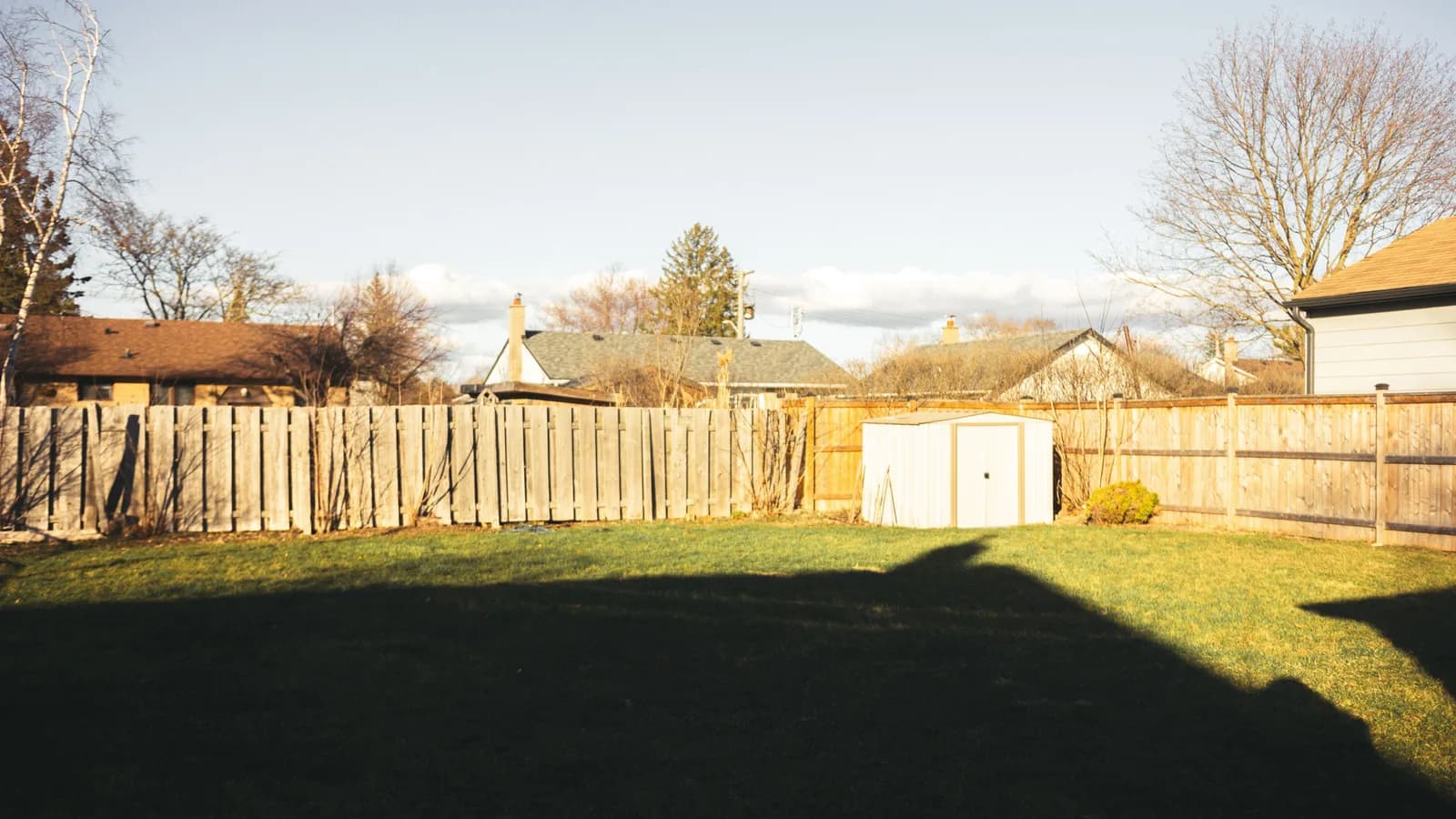
How to Overseed a Thin Lawn Without Wasting Seed
Learn when to overseed, how to prepare real seed-to-soil contact, what it costs, and how to protect new grass through its first mowing.
Open guide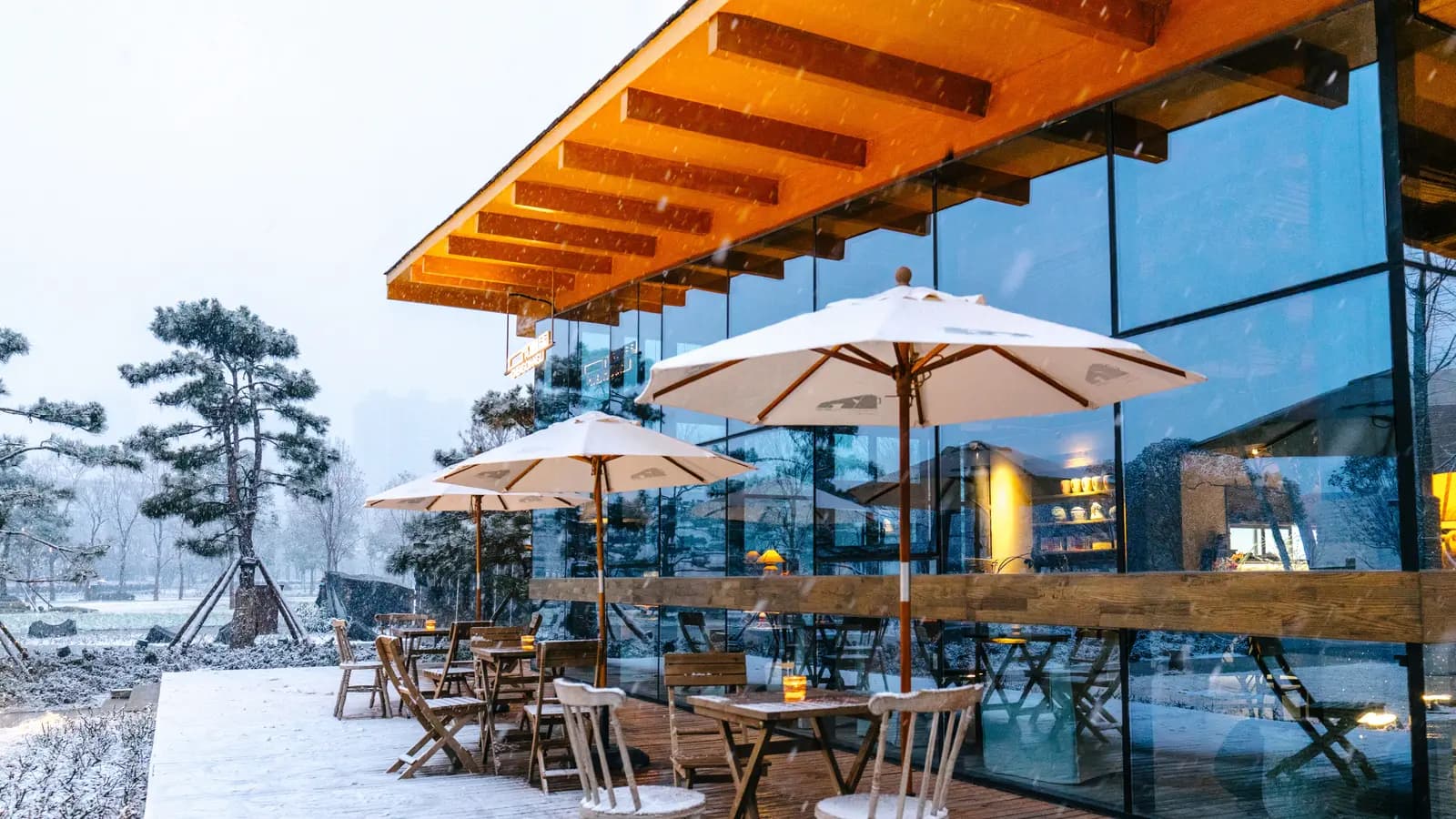
How to Store Patio Furniture for Winter
Store patio furniture for winter by material: clean and dry frames and cushions, use safe indoor storage, or protect outdoor pieces correctly.
Open guide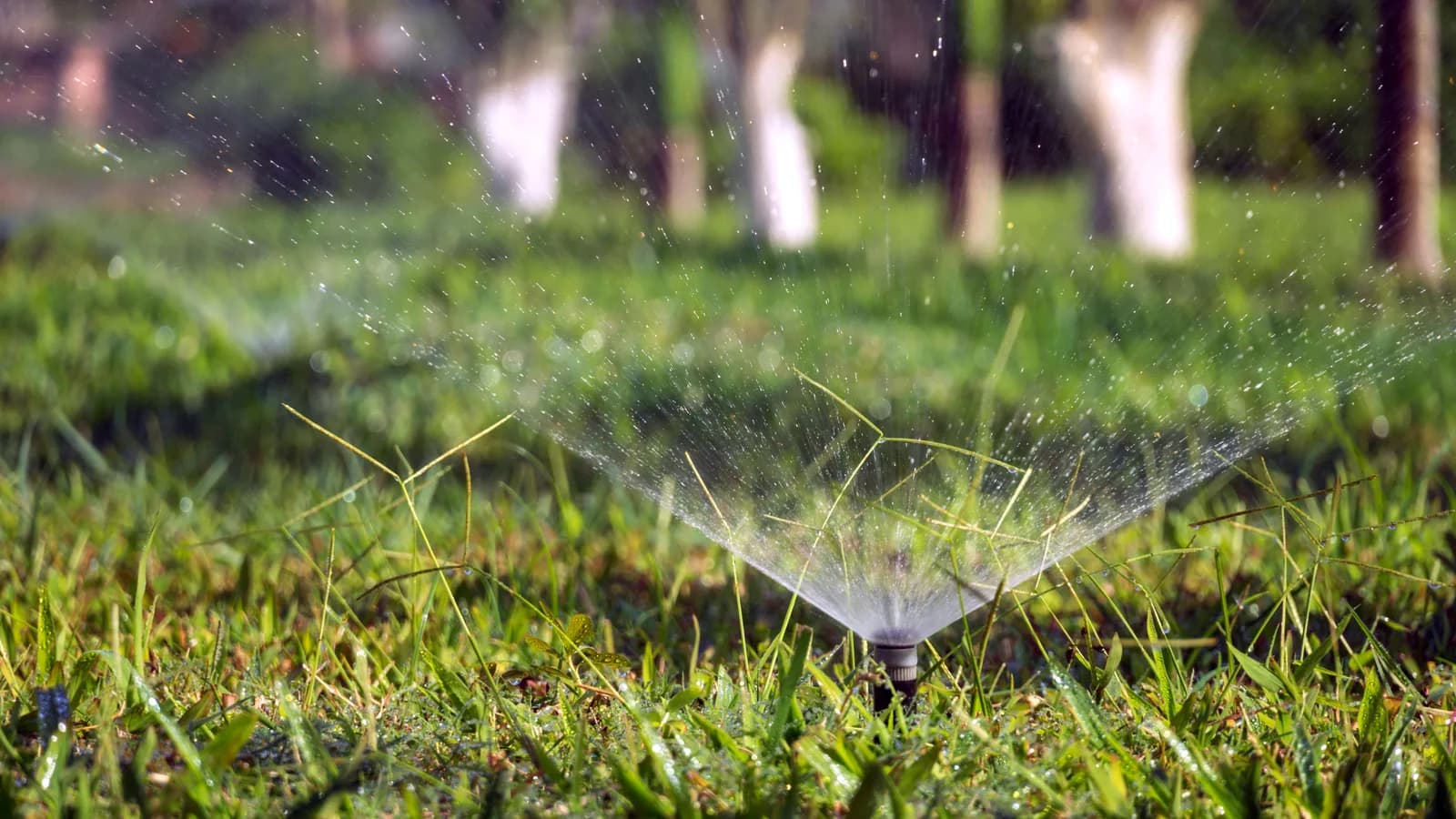
How to winterize a sprinkler system without guessing
Winterize a sprinkler system safely by mapping the equipment, choosing the right drainage method, protecting backflow parts, and knowing when to hire help.
Open guide
How to Winterize a Lawn Mower Without Creating a Spring Repair
Winterize a gas or battery lawn mower safely with the right fuel, battery, blade, cleaning, and dry-storage steps before spring.
Open guide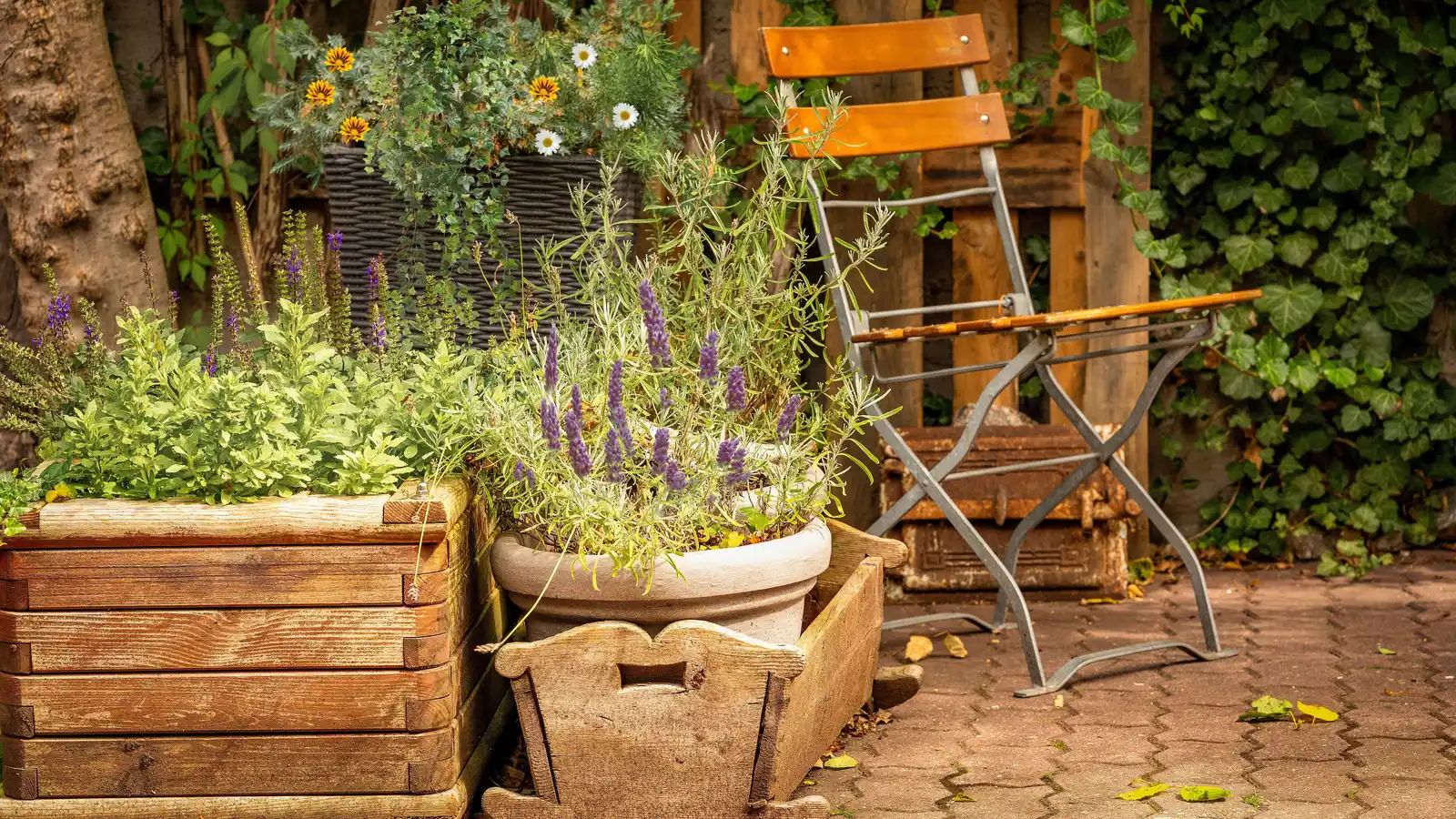
Make a small patio feel bigger without remodeling
Make a small patio feel larger by protecting the route, choosing one main use, reducing visual stops, and testing the full layout before buying.
Open guide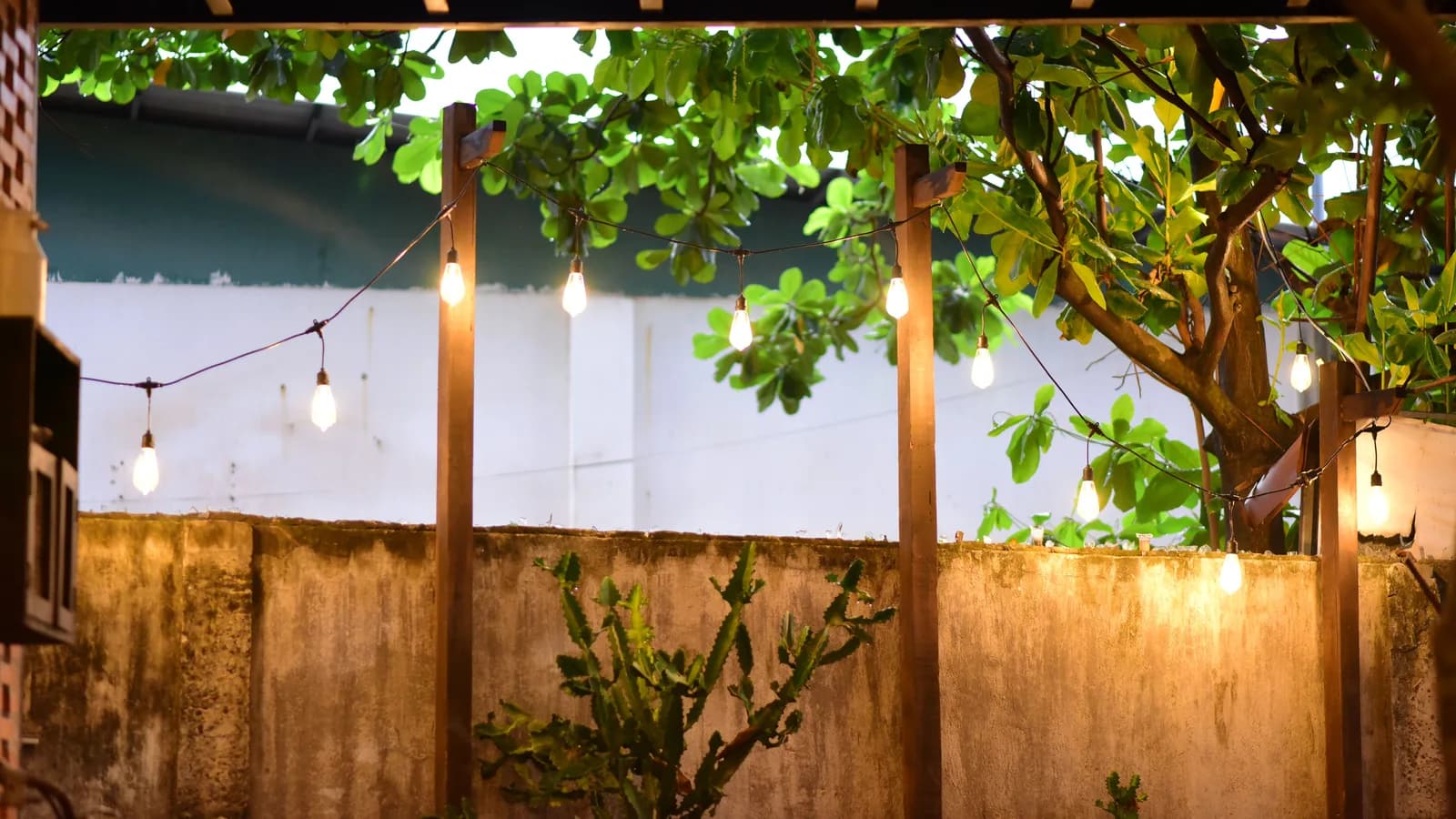
What's the cheapest way to add usable backyard lighting?
Compare solar stake lights, plug-in string lights, and low-voltage landscape lighting to find the least expensive option for your outdoor space.
Open guide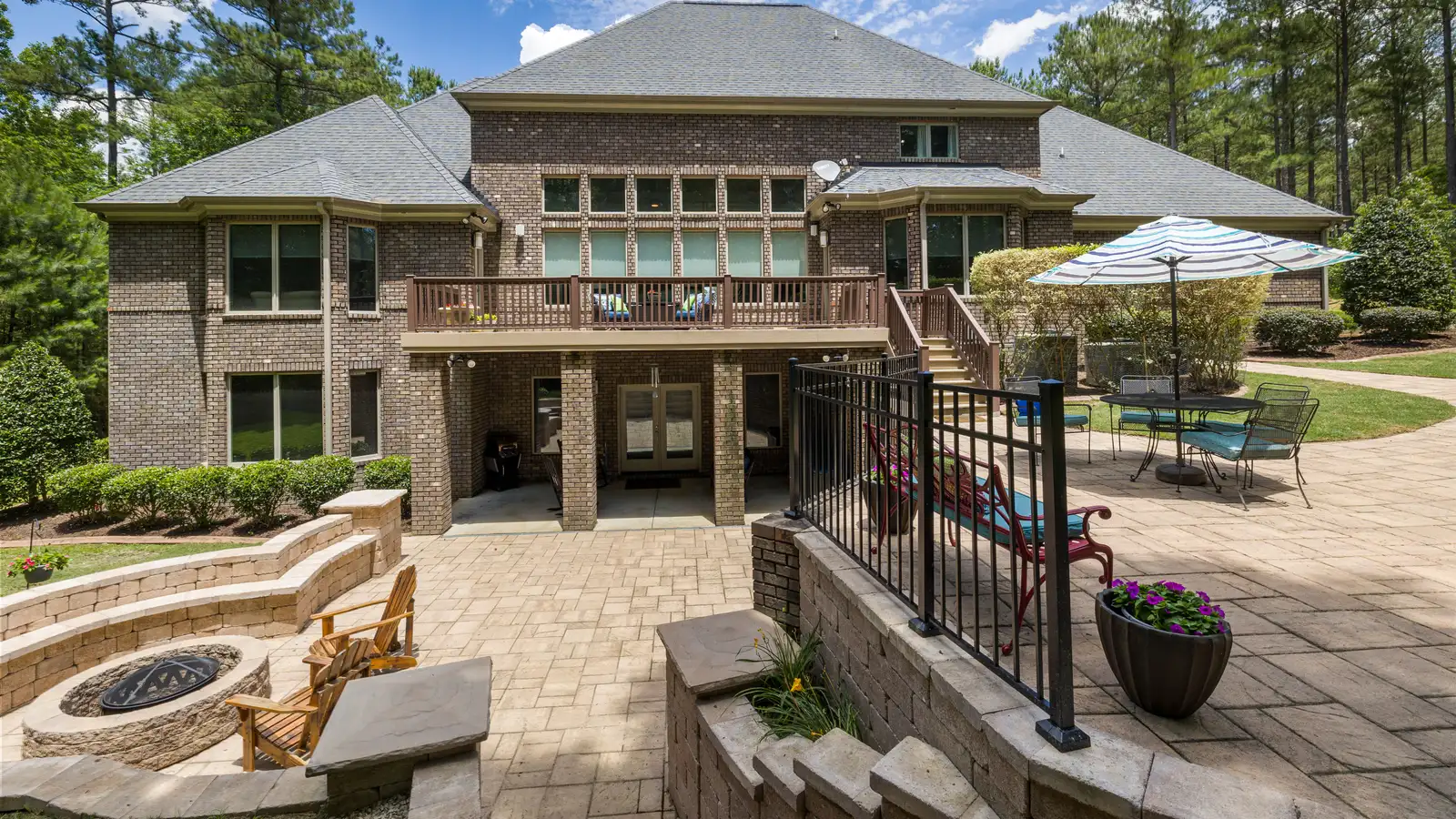
How much value does adding a patio add at resale?
A patio can improve buyer appeal and daily usability, but its resale impact depends on condition, fit, materials, and neighborhood expectations.
Open guide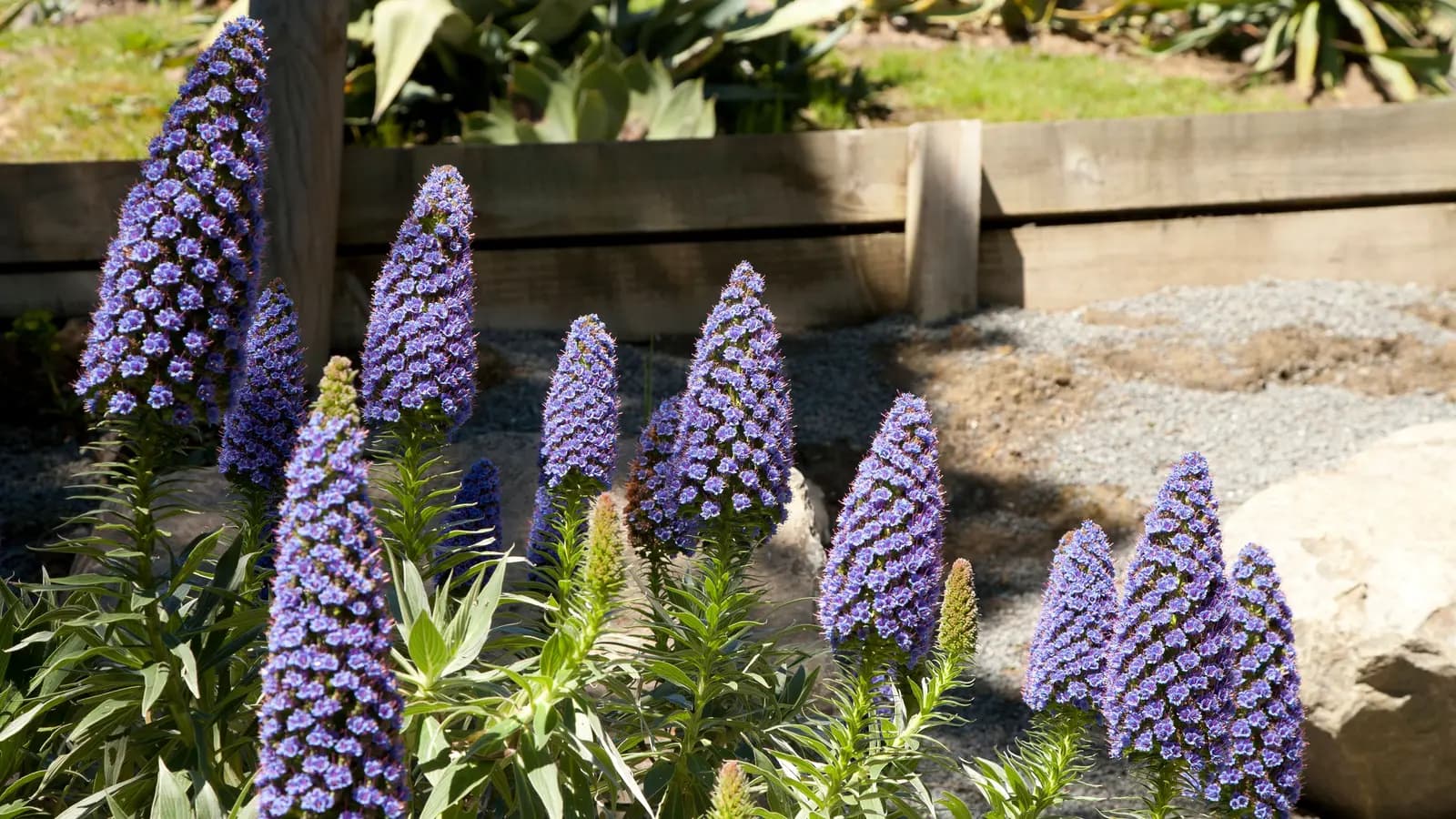
Build a native-plant establishment plan that survives the first years
Verify local provenance, planting window, nursery condition, establishment care, and replacement criteria before buying native plants.
Open guide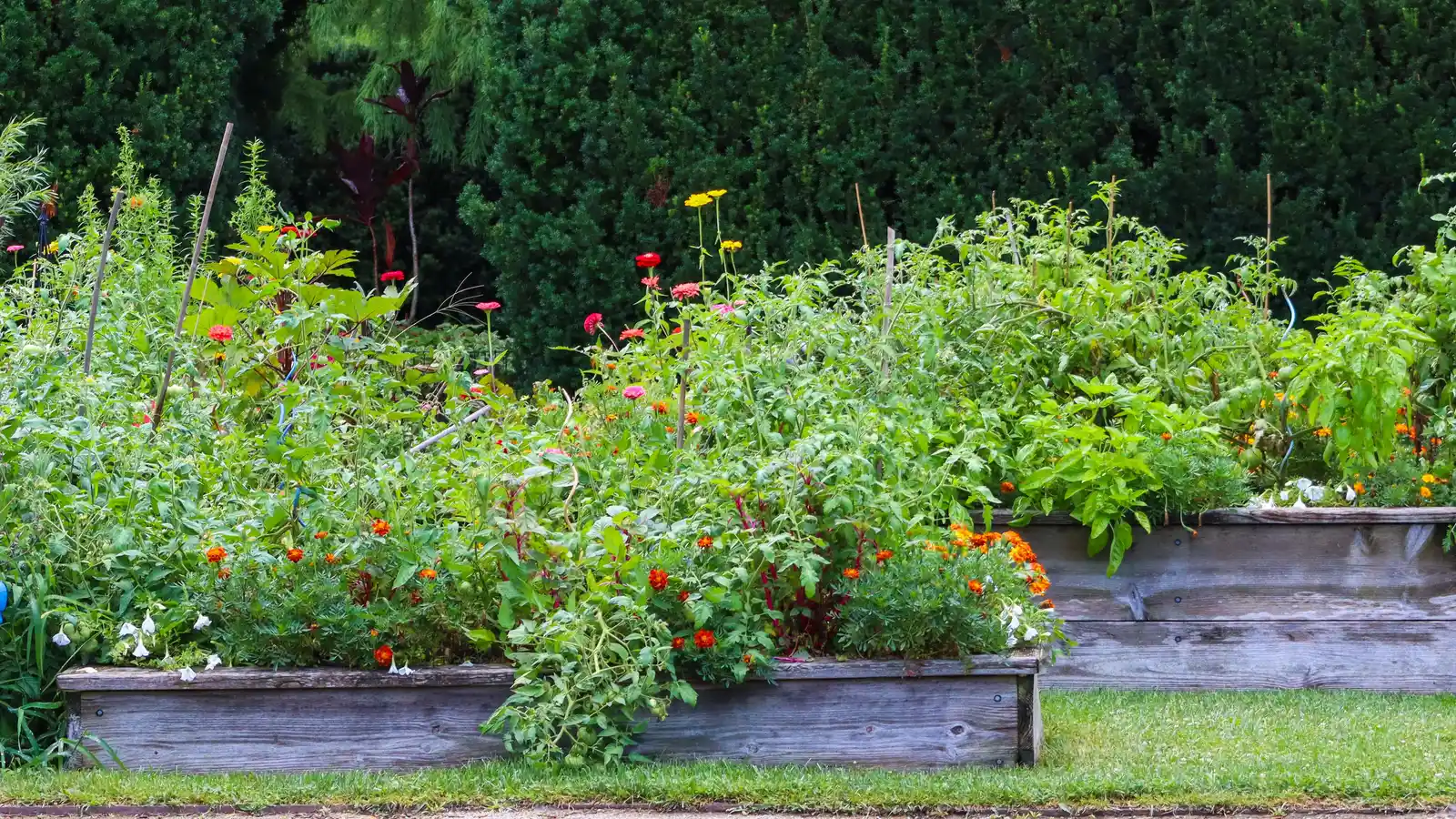
Start a small edible garden that fits real life
Choose a manageable location, a few productive plants, and a watering routine before buying beds, soil, and a season's worth of seeds.
Open guide
Plan a patio around shade, drainage, and how you will use it
Turn an outdoor wish list into a site-aware plan for seating, circulation, water, heat, lighting, privacy, and long-term upkeep.
Open guide
Compare tree-removal quotes tree by tree
Identify each tree and treatment, then compare access, rigging, utilities, property protection, debris, stump work, changes, and photo closeout.
Open guide
Build a four-season garden plan around the yard you have
A practical way to plan planting, watering, pruning, cleanup, and observation without turning every weekend into yard work.
Open guideFAQ
Frequently asked questions
How do I build a garden plan that works in more than one season?+
Start with your actual hardiness zone and first/last frost dates, then choose a mix of plants with staggered bloom and harvest times instead of a single season's selection. A plan built around one season looks great for a few weeks and bare the rest of the year.
What should I check before adding a patio?+
Where water already drains and pools on the site -- a patio poured in the wrong spot can redirect water toward the foundation instead of away from it. Shade patterns across the day also matter more than most people plan for; a patio that looked sunny on a weekend walkthrough can be unusable by mid-afternoon in summer.
Are native and lower-water plants actually easier to maintain?+
Once established, generally yes -- they're adapted to local rainfall and soil, so they need less supplemental water and intervention than plants chosen without regard to climate. The first one to two years while roots establish still require real attention; the lower-maintenance payoff comes after that.
What's the cheapest way to add usable lighting to a backyard?+
Solar or low-voltage path lighting along walkways and seating areas covers most of the practical need without an electrician or trenching for wiring. Wired, hardwired fixtures make sense for permanent features like a patio or deck, but they're a bigger project to plan and budget for, not a starting point.