Build an electrician handoff from outage context, event timing, equipment records, and prior work instead of trying repeated resets.
A GFCI that will not stay available belongs in a service file, not a household retry routine. Keep the area unused, keep people away from wet or damaged equipment, and assemble the context an electrician needs to decide whether the issue is utility power, a failed device, downstream wiring, water exposure, or prior work.
Check whether the outage is larger than the outlet
Before describing the receptacle as failed, look for a utility outage notice, a neighborhood power event, a tripped generator or transfer arrangement, or other rooms that lost power at the same time. Record the source of that information and the time checked. Do not open the panel or receptacle to prove power.
Write the event timeline
List the first dead outlet, the room, weather, cleaning or water use, appliances running, breaker or alarm events, and whether any equipment smelled hot, sparked, buzzed, or showed discoloration. CPSC electrical-safety guidance treats wet products, heat, and damage as stop signs. Those details should move the call from ordinary troubleshooting to prompt electrical service.
Attach equipment and prior-work records
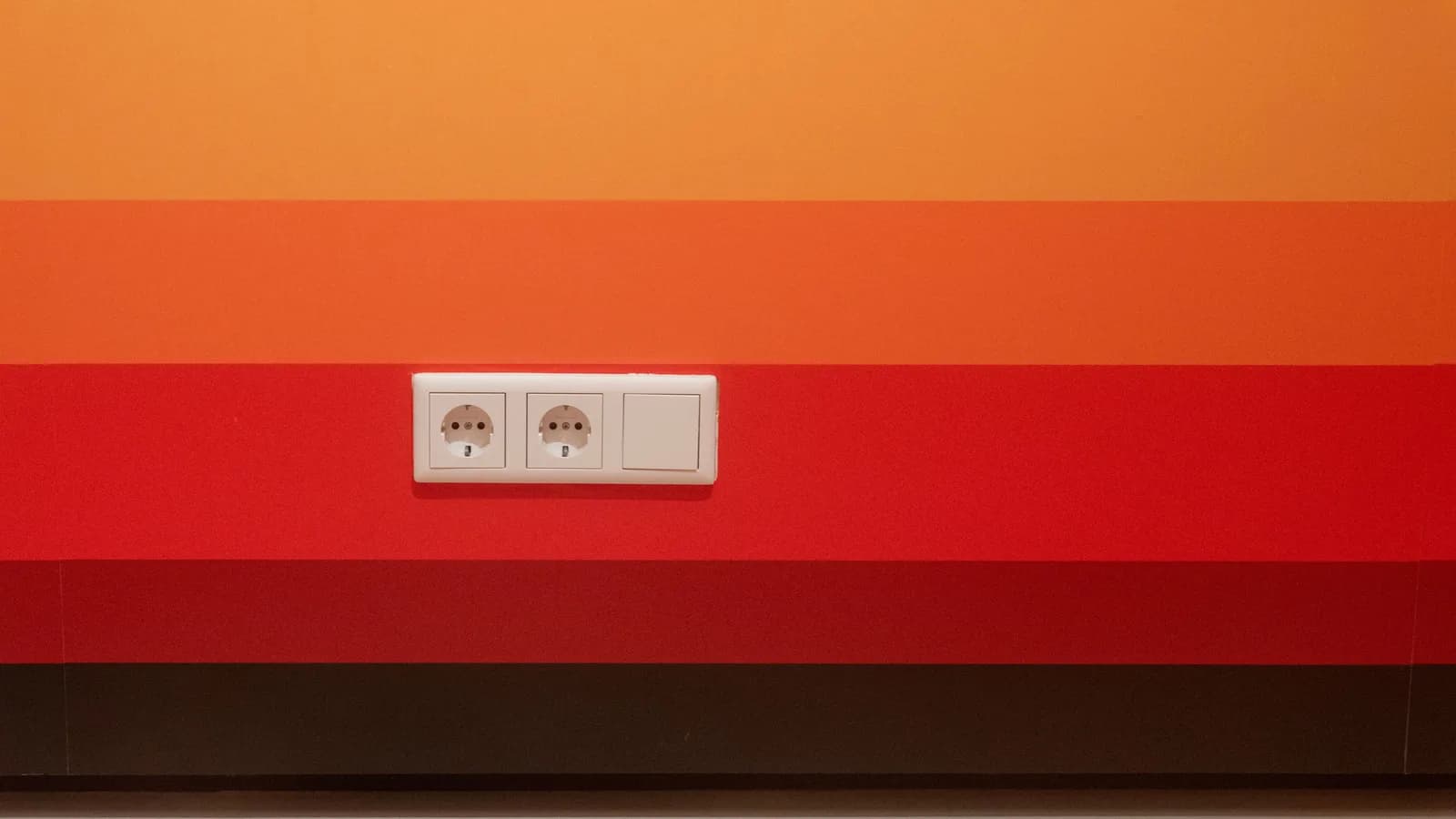
Photograph the faceplate, nearby equipment labels, outdoor receptacle covers, pumps, appliances, holiday-light or tool loads, and any recent invoice, permit, remodel note, or warranty record tied to the circuit. A GFCI installed after a kitchen, bath, garage, exterior, or sump-pump change may protect more than the visible outlet.
The 4Homes weekly email
Every Tuesday: what changed for homeowners this week, plus our newest guides.
No spam. Unsubscribe anytime.
Keep the area unchanged for inspection
Do not swap devices, move wires, tape a button down, dry an outlet with heat, or keep reconnecting loads to see what happens. If the receptacle protected a refrigerator, sump pump, medical device, or other important load, document the continuity need separately and ask the electrician for a compliant temporary plan.
Send a clear electrician handoff
Share the outage check, event timeline, photos, prior work, protected equipment, and any safety signs. Pair the file with the breaker trip guide when a breaker also moved. The homeowner job is to preserve the evidence and keep the circuit unused, not to prove the fault with repeated resets.