Separate a panel change from a service upgrade, then compare load calculations, utility handoffs, circuit treatment, permits, outage planning, and closeout.
Two electrical-panel replacement quotes can name the same amp rating and still buy very different jobs. One may replace only the interior panelboard. Another may include the meter enclosure, service conductors, grounding and bonding work, utility coordination, damaged branch-circuit corrections, permits, labeling, testing, and wall repair. Compare the actual service scope, not the number printed on the new main breaker.
Ask for the one-line reason first
Each electrician should state why replacement is proposed: documented damage, obsolete or unsupported equipment, insufficient calculated capacity, no practical circuit space, planned loads, service relocation, an insurer or authority requirement, or another named condition. Attach photographs and test findings where appropriate. Empty breaker spaces do not prove electrical capacity, and a crowded panel does not automatically prove the utility service must be enlarged.
ENERGY STAR's electric-ready guidance tells homeowners to consider both service capacity and physical breaker space, then discuss planned electric appliances with a licensed electrician. It also notes that a panel upgrade can trigger a separate upgrade to the utility lines serving the house. The quote should therefore show the load calculation, planned loads, panel and bus ratings, and the conclusion reached rather than using “future ready” as the calculation.
Draw the service boundary
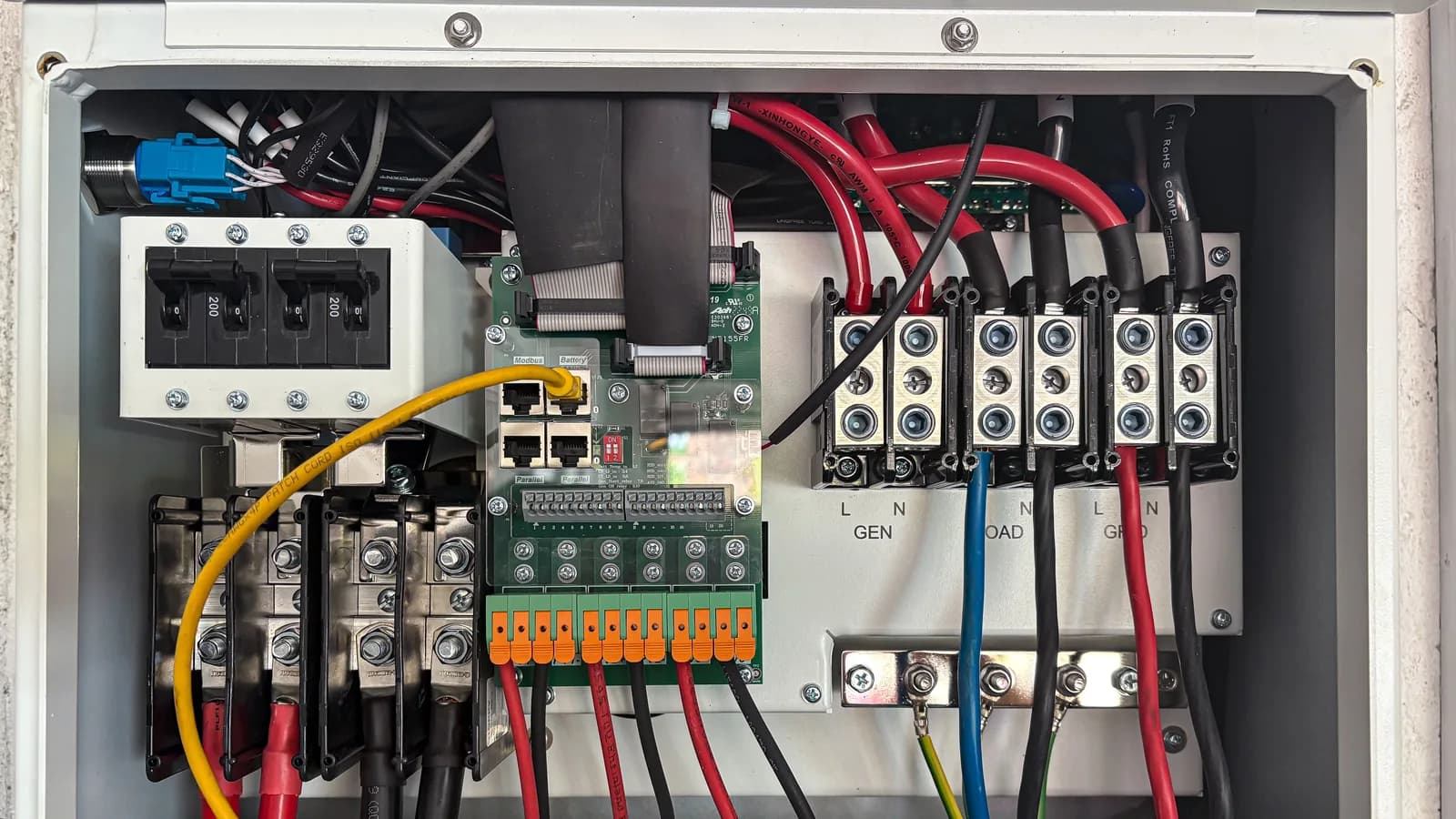
Require a simple one-line diagram from the utility connection through the service conductors, meter, main disconnect, panelboard, grounding and bonding points, and feeders to any subpanels. Mark every component as existing, replaced, relocated, newly added, utility-owned, owner-owned, or excluded. State whether the proposal is panel-only, a service-equipment replacement at the same rating, or a service-capacity increase. Those phrases are not interchangeable.
Put responsibility beside utility applications, engineering review, disconnect and reconnect, meter work, trenching or mast work, inspections, access, scheduling, and fees. The CPSC's Guide to Home Wiring Hazards describes the service drop, service-entrance cable, meter, panel, and branch circuits as different parts of the system. It also tells consumers not to touch damaged service equipment and to call the power company because the utility or emergency personnel are the parties authorized to turn off power in that portion.
The 4Homes weekly email
Every Tuesday: what changed for homeowners this week, plus our newest guides.
No spam. Unsubscribe anytime.
Count what happens to every circuit
The quote should include the exact panel and breaker family, enclosure rating and location, main rating, bus rating, circuit count, surge protection if required or selected, and the treatment of every existing conductor. Ask how short conductors, multiwire circuits, shared neutrals, doubled conductors, abandoned wiring, damaged insulation, and circuits with unknown destinations will be handled if found. Identify any required AFCI, GFCI, or other protection by circuit and by the locally adopted code, not by a vague “bring everything to code” allowance.
CPSC says its wiring guide is not a repair manual and assigns defect finding and repair to qualified electrical professionals. The same guide warns that panel boxes can remain electrically live even with the main breaker off. No homeowner inspection for this quote should include removing the dead front, touching service equipment, testing voltage, tightening connections, or tracing energized conductors.
My opinion: “code-compliant panel change” is a conclusion, not an itemized scope. The proposal is stronger when it names the adopted-code decisions, likely corrections, unit prices, and authority that will inspect them.
Define the outage and the finish line
State the expected outage window, what must be shut down beforehand, and how refrigeration, medical equipment, internet, gates, alarms, pumps, tenants, or home businesses will be handled. Temporary power and generators require their own qualified plan; a backfeed cord is never an acceptable shortcut. Wet equipment, active arcing, smoke, burning odor, or damaged service conductors are emergency conditions, not quote-comparison exercises.
Closeout should include the approved permit, inspection result, utility release where applicable, photographs before the cover closes, torque or commissioning records the manufacturer and local process require, a typed circuit directory verified against the house, corrected wall or exterior penetrations, equipment labels, warranties, and a list of unresolved conditions. The FTC advises getting multiple written estimates with the work, materials, completion date, and price, and warns against automatic selection of the lowest bidder in its home-improvement contractor guidance.
Pair this checklist with the outside-only panel safety check and the line-by-line quote comparison. A finished panel is not merely a neat row of breakers. It is a documented service, a verified circuit map, and a clean handoff to the utility and inspector.