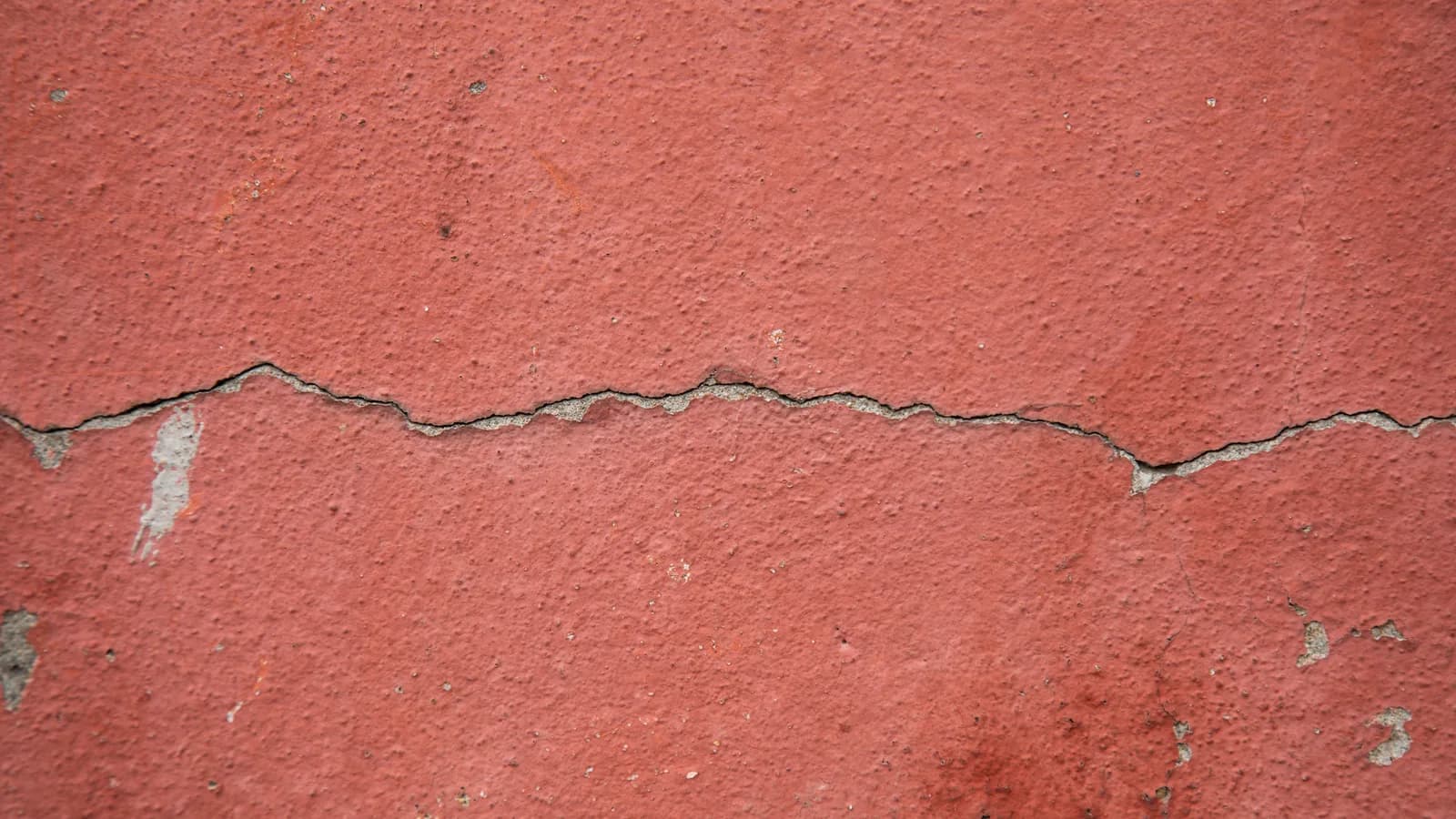
Preserve the crack, moisture, weather, and whole-house chronology before choosing monitoring, structural evaluation, or a repair scope.
A foundation crack is a starting point, not a diagnosis. Photograph the crack, mark where it sits on a floor plan, and record what changed elsewhere in the house before a repair company covers the evidence. My view: an independent structural evaluation is money better spent than three free sales inspections when movement, moisture, or the cause is unclear.
Make the first record before touching the crack
Note the date, recent rain or dry weather, foundation type, wall or slab location, and whether the crack is visible inside, outside, or both. Take a wide photograph that shows the room or wall, then closer images with a ruler or another fixed scale in the same plane. Number the location. Do not chip, widen, inject, seal, paint, or draw a conclusion from one measurement.
FEMA's property-documentation guidance recommends photos or video plus written descriptions and model details where relevant, with copies stored somewhere accessible after a loss. Use that same discipline here. Save prior inspection reports, permits, remodel plans, drainage work, plumbing repairs, earthquake or flood dates, and seller disclosures in one folder.
Build a chronology, not a width verdict
Repeat photographs from the same position after a defined interval and after meaningful events such as heavy rain, rapid drying, plumbing leakage, nearby excavation, or seismic activity. Record who measured, where, with what tool, and the result. A crack's width by itself cannot identify the cause or tell every house when repair is required. Material, direction, displacement, location, rate of change, loads, soil, drainage, and the rest of the structure matter.
If water appears, document its path and timing separately. Building Science Corporation's foundation water-control report treats roof runoff, surface grading, foundation drainage, footing drains, and sump drainage as parts of one water-management system. That is why sealing the visible opening may leave the source untouched.
The 4Homes weekly email
Every Tuesday: what changed for homeowners this week, plus our newest guides.
No spam. Unsubscribe anytime.
Walk the whole house for related symptoms
Without opening walls or entering unsafe areas, note doors or windows that recently began binding, sloped or newly uneven floors, separation at trim, repeated drywall or masonry cracks, displaced finishes, leaning or bulging walls, and gaps where framing meets supports. Photograph moisture staining, efflorescence, musty areas, ponding near the wall, downspout outlets, and soil erosion. Write down when each symptom first appeared. Old quirks and recent changes should not be mixed together.
Leave immediately and call emergency services or the local building authority if there is sudden movement, partial collapse, a seriously displaced wall, damaged utilities, or an official evacuation warning. Do not enter a flooded area where electricity may be present, shore the structure yourself, or excavate beside the foundation to investigate.
Ask for an evaluation that is independent of the repair sale
When symptoms are changing, widespread, displaced, moisture-linked, or simply unexplained, ask a licensed structural engineer or other locally qualified design professional for a written evaluation. The scope should identify areas observed, documents reviewed, measurements, access limits, likely causes, urgency, monitoring needs, and whether testing or repair design is warranted. Ask whether the evaluator sells or receives compensation for the proposed repair.
Give any repair bidder the same report and requested outcome. Keep drawings, permits, change orders, material records, progress photographs, inspections, warranties, and baseline measurements after completion. The remodel change-order checklist can organize changes without turning the structural opinion into a sales add-on.