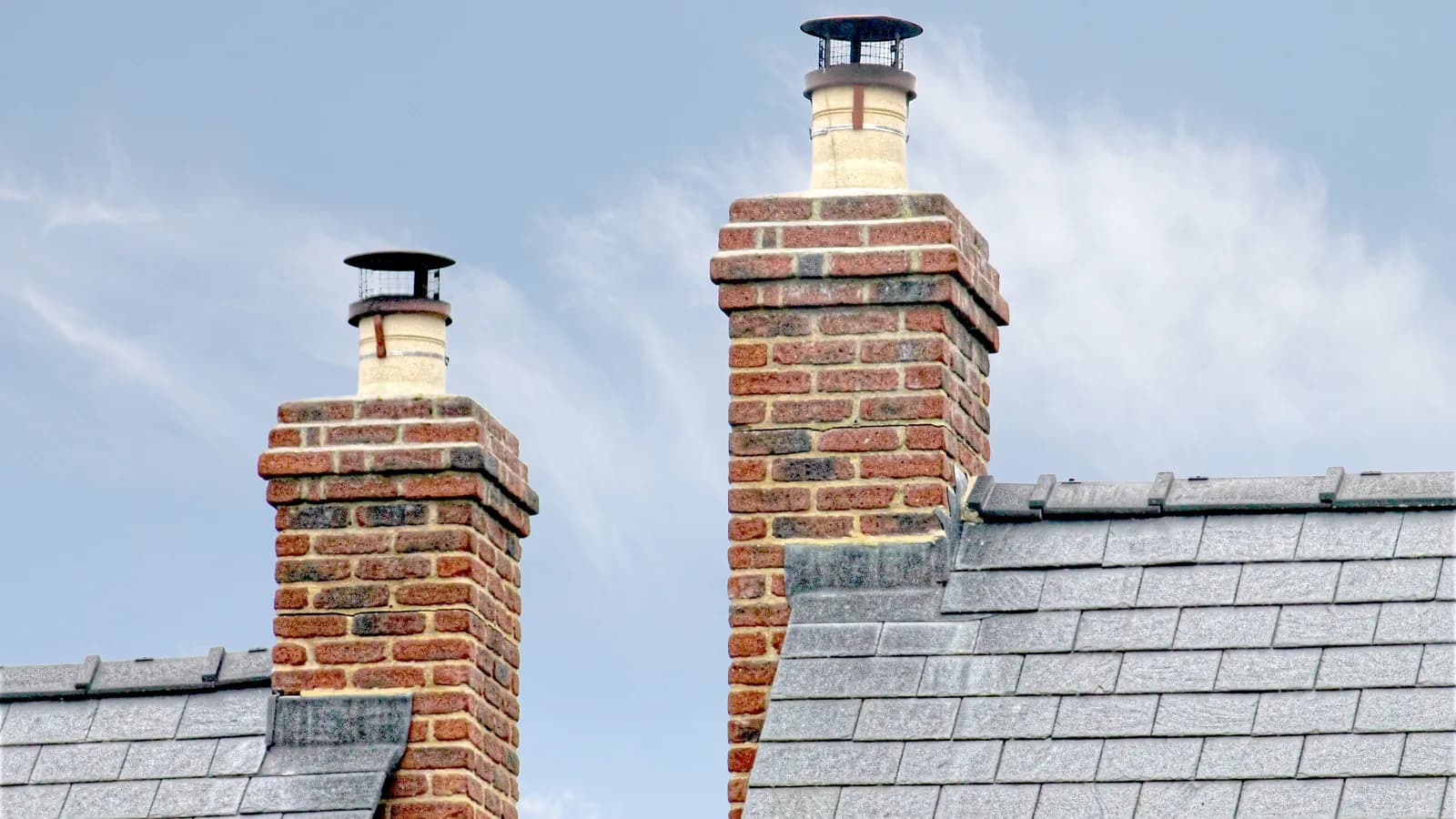
Separate cleaning from inspection, choose the scope that fits the system and recent events, and require a written safe-use record before the next fire.
A chimney sweep removes deposits. An inspection evaluates condition and safe use. They may happen during the same visit, but they answer different questions. Before booking, identify every fireplace, stove, furnace, boiler, or water heater connected to the chimney and ask what inspection level and written record the visit includes.
Start with appliance and use history
Record each fuel-burning appliance, fuel, last use, last cleaning and inspection, repairs, known chimney fire, water entry, animal entry, appliance replacement, property sale, earthquake, storm, or long period out of service. Note smoke entering a room, unusual odors, soot, staining, falling masonry, poor draft, or a carbon-monoxide alarm. Do not light a test fire to reproduce a warning sign.
Keep the fireplace or appliance off after a chimney fire, visible damage, smoke spillage, a fuel-gas odor, or a carbon-monoxide alarm until qualified evaluation says it is safe. For an active alarm, smoke, or gas odor, get outside and use emergency or utility help from a safe location.
Ask which inspection level fits the event
A basic visual inspection may fit a regularly serviced system with no change in use or condition. A more detailed inspection may be appropriate after a property transfer, change in appliance or fuel, relining, operating problem, chimney fire, or event that could have caused damage. The contractor should explain the level, accessible areas, camera use, limitations, and what would trigger invasive investigation.
Do not accept “inspection included” without a scope. Ask whether the visit covers the firebox or appliance connection, smoke chamber, damper, flue and liner, cap and crown, exterior masonry, flashing, accessible attic or crawlspace portions, connector pipes, clearances visible without demolition, and each separate flue.
Prepare the house without creating a hazard
Follow the company’s cooling-time instructions and do not use the appliance beforehand. Clear ordinary furnishings and fragile items from the work area, contain pets, and provide safe access to records and controls. Leave roof access, ladders, flue entry, heavy appliances, and removal of service panels to the professional. Tell the inspector about alarms, health sensitivities, loose masonry, or prior water damage before work starts.
The 4Homes weekly email
Every Tuesday: what changed for homeowners this week, plus our newest guides.
No spam. Unsubscribe anytime.
Require findings you can act on
A useful report identifies the system and flue, areas observed, deposits, obstructions, liner condition, masonry and moisture findings, connector and appliance concerns, access limitations, photographs or video, and whether use should stop. It separates cleaning from repair and distinguishes an observed defect from a condition that could not be evaluated.
For each recommendation, ask what evidence supports it, whether the repair is needed before use, which trade or permit applies, and how completion will be verified. Get another qualified opinion before expensive relining or reconstruction when the evidence or scope is unclear. Do not rely on a door-to-door claim or same-day pressure to approve major work.
Close the loop after service
Save the report, images, invoice, removed material notes, repair scope, permits, warranties, and the next inspection recommendation. Test smoke and carbon-monoxide alarms according to their instructions and restore the room only after work is complete. Add the chimney to the seasonal home-care calendar, but let the appliance instructions, system condition, use, and local requirements set the actual service plan.
The best visit leaves a plain answer to three questions: what was observed, what must change before the next fire, and what could not be seen. If the paperwork cannot answer those, the inspection is not finished.
Frequently Asked Questions
What should a chimney inspection include?
A useful chimney visit identifies the appliances and flues, visible condition, access limits, safe-use decision, and evidence behind each repair recommendation.