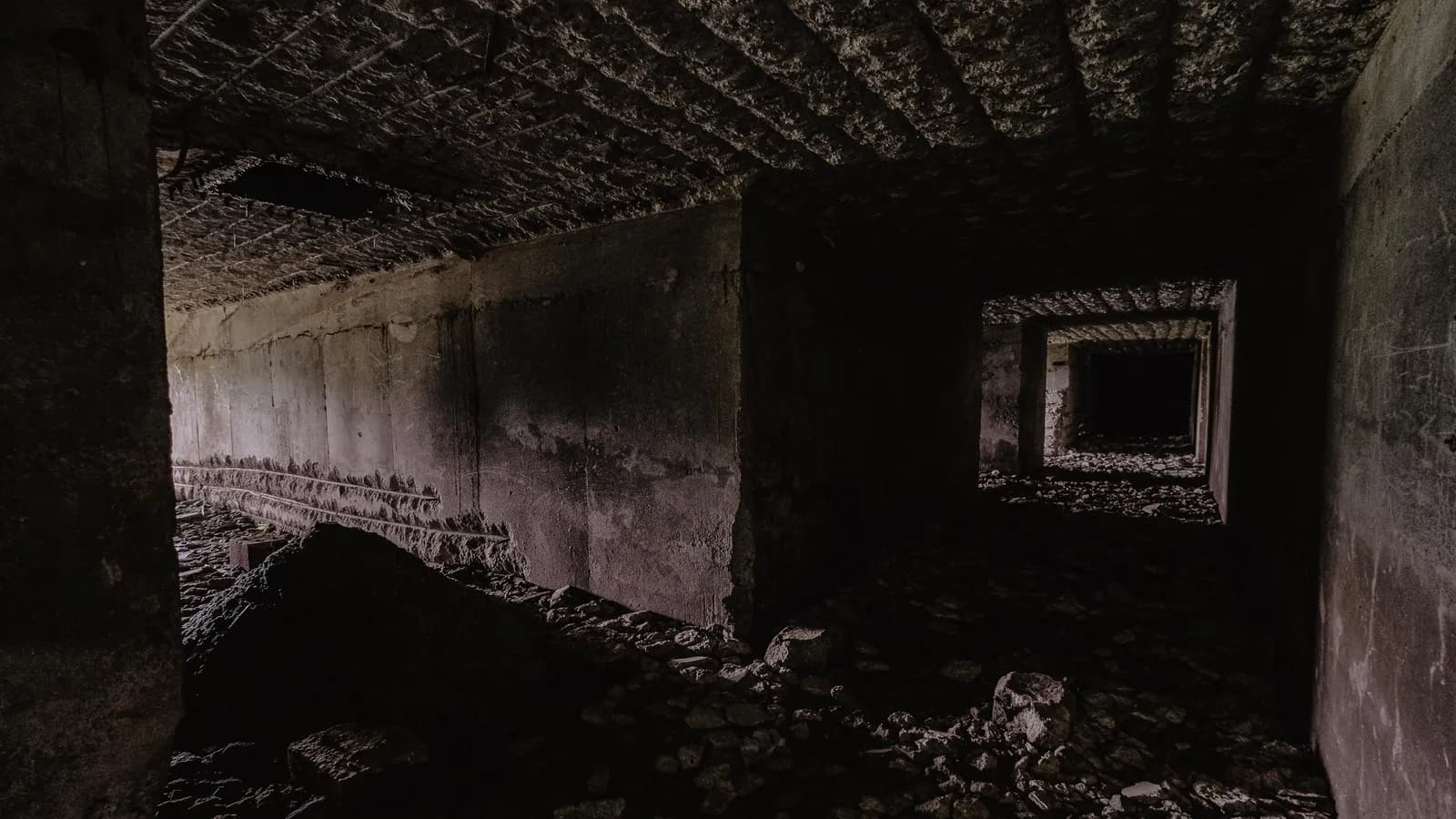
Map weather, plumbing use, humidity, HVAC operation, and odor location so the repair follows the moisture source instead of masking it.
A musty basement smell deserves a contractor-ready evidence file before a waterproofing, HVAC, plumbing, or remediation proposal. Record the event, map where it is strongest, and require the eventual scope to identify the moisture source, affected materials, correction, drying target, and closeout proof. Do not buy a vague promise to “seal the basement.”
My opinion is blunt: an odor treatment without a written source diagnosis is not a repair. A dehumidifier may control room humidity, but it cannot repair a pipe, redirect roof water, correct condensate, or remove water-damaged porous material.
Create an event sheet a contractor can use
Give each odor event a date, start and end time, weather, recent rain or snowmelt, irrigation, plumbing and laundry use, HVAC mode, dehumidifier status, indoor temperature, and humidity. On a simple basement plan, mark where the odor begins, where it is strongest, visible staining or dampness, floor drains, sump, plumbing, foundation corners, finished walls, carpet, utility equipment, returns, and supply registers.
Photograph from normal access points and label every image to the map. Do not open walls, lift broad carpet areas, enter an unsafe crawl space, or disturb suspected growth. EPA identifies leaks, foundation drainage, high humidity, condensation, carpets and pads, hidden wall surfaces, and HVAC drain or duct materials as possible moisture or hidden-growth locations.
Turn timing into four testable hypotheses
- Rain or snowmelt: ask the drainage or foundation evaluator to connect roof collection, grading, window wells, foundation entry, sump operation, and the first interior wet edge on one diagram.
- Plumbing use: ask the plumber to isolate the fixture, appliance, supply, drain, cleanout, condensate line, or water heater tied to the event and state what test confirmed or ruled out leakage.
- Hot humid weather: ask for logged indoor and surface conditions at cold pipes, slab edges, foundation walls, ducts, and other suspected condensation points, not one room reading after equipment ran.
- HVAC operation: ask HVAC service to document condensate handling, accessible equipment condition, air pathways, and whether blower operation distributes odor from the basement or creates the wet condition.
Your event sheet may use a basic humidity meter in several locations, but a bidder should explain what its measurements prove. EPA recommends keeping indoor relative humidity below 60 percent, ideally 30 to 50 percent when possible. CDC advises no higher than 50 percent all day. A single low reading after the dehumidifier ran does not erase last week's wet wall.
Require a diagnosis before a price
Give every bidder the same event sheets, map, photographs, prior leaks, repairs, and utility history. Require a written diagnosis that identifies observed evidence, measured locations, access limits, alternative causes, and the test that separates them. “Basements are damp” does not justify a perimeter drain, encapsulation, duct treatment, or demolition.
Separate diagnosis from remediation when the proposed work is extensive or the seller of the repair cannot explain competing causes. If limited access is needed, the scope should name who opens it, containment, utilities, restoration, photographs, and stop conditions. EPA warns that hidden mold can sit behind drywall, paneling, wallpaper, carpet, and duct materials and that disturbing a hidden site can release contamination.
The 4Homes weekly email
Every Tuesday: what changed for homeowners this week, plus our newest guides.
No spam. Unsubscribe anytime.
Put safety and remediation boundaries in the scope
Stay out and call qualified help for sewage, standing water near electrical equipment, a gas or fuel odor, structural movement, extensive visible growth, or materials that remain wet after a major water event. If anyone has breathing trouble or significant symptoms, leave the area and seek medical guidance. People with asthma, mold allergy, weakened immunity, or chronic lung disease can face greater risk in damp or moldy environments.
EPA says a moldy area under about 10 square feet can often be handled by a homeowner following its cleanup guidance, but larger growth, major water damage, sewage, HVAC involvement, hidden contamination, and health concerns change that boundary. Square footage is not permission to disturb a wall when you do not understand what is behind it.
Make the proposal describe cause, correction, and proof
A plumber should identify the failed supply or drain and verification test. A drainage or foundation proposal should show where exterior water begins, how it enters or accumulates, the interception point, discharge destination, and what remains untreated. HVAC work should name the condensate, equipment, duct, or pressure finding. Remediation should list affected materials, containment, removal, cleaning, drying criteria, and responsibility for the source repair.
Do not let cleanup and cause correction collapse into one vague promise. CDC/NIOSH says musty odors can help identify dampness or hidden mold; correct the moisture source and follow appropriate remediation guidance. Keep the event sheets, room map, measurements, photos, source diagnosis, concealed- work proof, drying records, and follow-up odor check.
If the evidence points to water entering below grade, use the basement waterproofing proposal scope. If the smell is tied to indoor air movement or humidity rather than one wet edge, start with the indoor-air quality reset. Solve the water path first. Products come later.