DSCR Loans on Condos, Condotels, and Mixed-Use Buildings: Warrantability and What Changes for Each
Financing a condo, condotel, or mixed-use property? See how DSCR eligibility, warrantability, and pricing shift across each property type here.
Quick answer
DSCR loans on condos run their own, more flexible property review instead of requiring Fannie Mae or Freddie Mac warrantability, though a non-warrantable condo still adds scrutiny and often a lower loan-to-value. It depends on the property type: condotels face the most restrictive terms, and mixed-use buildings are capped by how much space is commercial.
10 min read

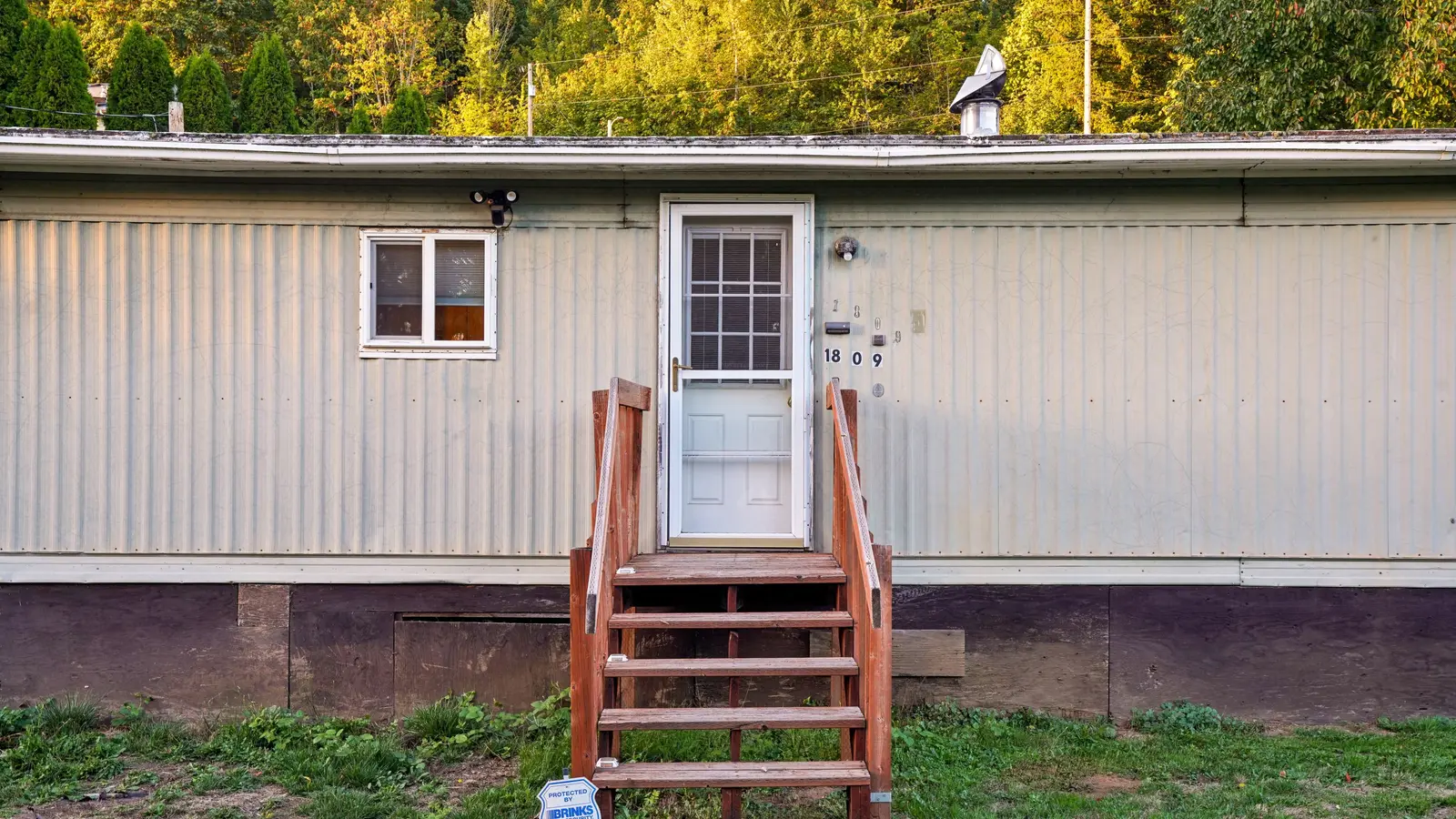
Photo: Phát Trương / Pexels
In this article
Yes — DSCR loans are available on condos, condotels, and mixed-use buildings, but eligibility and terms shift noticeably by property type. A single-family rental house is the simplest property type to underwrite for a DSCR loan: one owner, one roof, one insurance policy, one appraisal. Condos, condotels, and mixed-use buildings all add a layer the single-family file doesn't have — shared ownership, shared governance, or shared square footage with a non-residential use. Each of those layers changes what a DSCR lender actually needs to review before pricing the loan, and each can move maximum LTV, add documentation, or in some cases take a specific program off the table entirely.
This isn't one rule that applies uniformly. It's three distinct sets of questions — condo warrantability, condotel/rental-program structure, and mixed-use commercial percentage — that a DSCR file has to answer differently depending on which property type is actually being financed.
Warrantability: a conventional-lending concept DSCR programs handle differently
"Warrantable" and "non-warrantable" are terms that originate with Fannie Mae and Freddie Mac's condo project review standards for conventional loans — a warrantable project meets their criteria on owner-occupancy percentage, single-entity concentration, budget adequacy, insurance, and litigation status, among other factors; a non-warrantable project fails one or more of those tests.
DSCR loans are typically structured as non-QM, business-purpose credit, and generally aren't sold to Fannie Mae or Freddie Mac — so they generally aren't bound by those agencies' specific warrantability checklist — but that doesn't mean condo project review disappears. Non-QM DSCR programs run their own property and project eligibility review, which typically looks at many of the same underlying risk factors (association financial health, litigation, insurance adequacy, investor concentration) even though the specific pass/fail thresholds differ from the conventional standard. A condo that would be flagged non-warrantable under conventional rules is often still eligible for a DSCR loan — frequently at standard terms, sometimes with an LTV or pricing adjustment — rather than being categorically excluded the way it might be from a conventional purchase.
That's a meaningful practical difference for an investor: a non-warrantable condo that's difficult or impossible to finance conventionally can be one of the more common reasons an investor turns to a DSCR loan in the first place, not a property type DSCR lending avoids.
Have a property in mind? Run the DSCR numbers →
Get startedWhat condo project review typically looks at
| Owner-occupancy vs. investor concentration | The share of units that are owner-occupied versus rented, and how concentrated ownership is among a small number of investors or entities. |
|---|---|
| HOA budget and reserve funding | Whether the association's operating budget and capital reserve fund appear adequate relative to the building's age, condition, and anticipated major repairs. |
| Litigation status | Whether the HOA or developer is currently party to litigation that could affect the association's finances or the building's condition — structural defect litigation is a common flag. |
| Insurance adequacy | Whether the master condo policy provides sufficient coverage, including for the specific unit being financed. |
| Delinquency rate | The percentage of units delinquent on HOA dues, which signals financial stress across the ownership base. |
| Commercial space percentage | How much of the building's total square footage is non-residential — relevant both for standalone condo review and directly overlapping with the mixed-use question below. |
Compiling this documentation — HOA financials, meeting minutes, insurance certificates, litigation disclosures — is the single biggest practical difference between a condo DSCR file and a single-family DSCR file. Build in extra lead time to request this package from the HOA management company, since response times vary widely and some associations are slow to produce a complete condo questionnaire.
Condotels: the property type most likely to hit a hard limit
A condotel is a condominium unit operated with hotel-like characteristics — typically a rental-management program run through the building or an affiliated operator, shared amenities like a front desk or housekeeping, and often restrictions on how long an owner can personally occupy the unit each year.
That structure raises a genuine underwriting question: is this a residential rental property, or is it effectively a hospitality/commercial asset wrapped in condo ownership? Different DSCR lenders answer that question differently, and the range of outcomes is wider than for a standard condo:
| Some programs exclude condotels entirely, | treating the hotel-like operating structure as outside residential DSCR lending's scope. |
|---|---|
| Some programs finance condotels with meaningful restrictions | a lower maximum LTV than a standard condo or single-family DSCR loan, higher reserve requirements, and sometimes a minimum square footage or a requirement that the unit include a full kitchen (distinguishing a residential-style condotel unit from a pure hotel room). |
| Income documentation differs too | A unit rented through a building's managed rental program may not have a standard 12-month lease to point to — income is often documented through the rental program's historical statements instead, similar in some ways to short-term rental income documentation. Our Airbnb and STR DSCR loan guide covers how platform/rental-program income documentation typically works, which overlaps significantly with how condotel income gets underwritten. |
Before making an offer on a condotel, confirm with a loan specialist whether the specific building and unit type is eligible at all under the programs available — this is the property type where "check eligibility before writing the offer" matters most, since financing availability can vary from one building to a seemingly similar building down the street depending on how each is structured and managed.
Mixed-use buildings: it's a percentage question, not a yes/no question
A mixed-use building — commonly ground-floor retail or commercial space with residential units above — raises a different question than warrantability or condotel status: how much of the building's income or square footage comes from the non-residential use, and does that cross the threshold where a residential DSCR program will still finance it.
| Commercial square footage percentage | Most residential DSCR programs cap how much of a building's total square footage can be non-residential — commonly structured as a program-specific ceiling. A building at or under that ceiling is generally still eligible as a residential DSCR loan; above it, the property may need to be financed as a commercial loan instead, which is a different program with different terms entirely. |
|---|---|
| Commercial income percentage | Some programs measure the cap by income share rather than (or in addition to) square footage — how much of the building's total rental income comes from the commercial tenant versus the residential units. |
| Number of residential units | A mixed-use building's unit count also interacts with standard DSCR unit-count limits (commonly capping around 1-4 residential units for many DSCR programs before a property is treated as commercial multifamily), so a mixed-use property with several residential units above a commercial space can hit two different eligibility questions at once. |
| Commercial lease quality | Where a program does finance the commercial component as part of the DSCR calculation, the commercial tenant's lease terms, remaining term, and creditworthiness can factor into how that income is treated — commercial leases behave differently than residential leases (net vs. gross, longer terms, different renewal dynamics), and a DSCR appraisal and underwriting review has to account for that. |
Practically, this means the same physical building type — a corner building with a coffee shop below and two apartments above — can be eligible for one DSCR program and ineligible for another, purely based on where each program draws its commercial-percentage line. Confirm the specific building's commercial/residential split (by square footage and by income) before assuming standard residential DSCR terms apply.
An illustrative eligibility comparison — not a quote
The comparison below is illustrative structure only, not specific terms for any lender or program. Actual eligibility, LTV, and pricing vary by lender, building, and market conditions.
| Single-family and warrantable condo | generally the most straightforward DSCR file, standard documentation and pricing for the program. |
|---|---|
| Non-warrantable condo | often still eligible, commonly with additional HOA documentation requirements and sometimes a modest LTV or pricing adjustment relative to a warrantable project. |
| Condotel | the widest range of outcomes — anywhere from full exclusion to eligible-with-restrictions, generally with a lower maximum LTV and higher reserves than a standard condo when it is eligible. |
| Mixed-use within the commercial-percentage cap | generally eligible as a residential DSCR loan, with commercial lease documentation added to the file. |
| Mixed-use above the commercial-percentage cap | typically falls outside residential DSCR programs entirely and needs a commercial financing path instead. |
To see how eligibility and terms shift for a specific building, run the scenario through the investment property cash flow calculator and review the DSCR sample row on our mortgage rates page for how program pricing is currently structured.
State and building rules can add another layer
Condo, condotel, and mixed-use rules aren't purely a lender question — local zoning, short-term-rental ordinances, and state-specific condo statutes can independently restrict how a unit may be used or rented regardless of what the loan program allows. This matters most for condotels and any condo unit an investor plans to operate as a short-term rental, since a building or municipality can prohibit or license-gate that use even where the loan program itself would finance it. Review our state-specific pages — Florida, California, and the broader DSCR by state overview — for jurisdiction-level context, and separately confirm current local rules directly with the building's association and the municipality before assuming a planned rental use is permitted.
Reserves and entity structure still apply, and often more so
Condo, condotel, and mixed-use files layer onto — not replace — the standard DSCR reserve and entity considerations. A condotel's higher-risk profile commonly comes with a higher reserve requirement than a comparable single-family file; see our DSCR reserve requirements guide for how that sizing generally works. And where an investor plans to hold a condo or mixed-use property in an LLC, the association's governing documents sometimes have their own entity-ownership restrictions or approval requirements layered on top of the lender's standard entity documentation — worth checking against our DSCR loan in an LLC guide before assuming a standard entity closing applies unmodified.
The 4Homes weekly email
Every Tuesday: what changed for rental owners this week, plus our newest DSCR guides.
No spam. Unsubscribe anytime.
Questions to bring to a loan specialist and the HOA
- Does this program require warrantable status, or does it run its own non-QM condo project review?
- What HOA documentation will the file need, and how long does this association typically take to produce a condo questionnaire?
- Is this specific condotel or rental-program building eligible under any available program, and at what LTV and reserve level?
- How is rental income documented for a condotel or managed-rental-program unit?
- What is this mixed-use building's commercial square footage or income percentage, and does it fall within this program's cap?
- Are there building- or municipality-level restrictions on short-term or investor rental use that apply independent of the loan program?
Bring the condo questionnaire, HOA financials, and any rental-program disclosures to that conversation early — these documents drive both eligibility and pricing on this property type more than almost anything else in the file. Explore the 4Homes DSCR program overview, review current published mortgage rates, or start an investment property financing scenario to check a specific building's eligibility. New to DSCR loans generally? Start with our DSCR loan for rental property guide for how the ratio and qualification process work end to end.
The bottom line
Condos, condotels, and mixed-use buildings each raise a different underwriting question — association financial health for condos, commercial-use classification for condotels, and commercial-percentage limits for mixed-use — and DSCR non-QM programs handle all three with more flexibility than conventional financing, but not without limits or added documentation. The property type doesn't disqualify the deal by itself; the specific building's documentation, rental structure, and commercial percentage do. Get that documentation together early, and confirm eligibility for the specific building before writing an offer, particularly for condotels where the range of outcomes across lenders is widest.
FAQ
Frequently asked questions
Do DSCR loans require a warrantable condo?+
Not necessarily. DSCR programs are non-QM and generally run their own property eligibility review rather than strictly requiring Fannie Mae/Freddie Mac warrantable status. A non-warrantable condo is often still eligible, sometimes with additional HOA documentation or an LTV adjustment.
Can I get a DSCR loan on a condotel?+
It depends on the lender and the specific building. Some programs exclude condotels entirely; others finance them with a lower maximum LTV, higher reserves, and income documented through the building's rental program rather than a standard lease. Confirm eligibility for the specific building before making an offer.
What counts as a mixed-use property for DSCR purposes?+
A building combining residential units with non-residential space, most commonly ground-floor commercial beneath residential units above. Most residential DSCR programs cap how much of the building's square footage or income can come from the commercial component before the property falls outside residential DSCR eligibility.
Why does the HOA's financial health matter for a DSCR loan?+
The association's budget, reserve funding, litigation status, and delinquency rate all affect the collateral's risk profile — a financially unstable HOA can mean unexpected special assessments, deferred maintenance, or insurance gaps that affect the property's value and the loan's collateral, which is why lenders review it as part of underwriting.
Does local short-term-rental law affect condo or condotel financing?+
It can. Zoning, municipal short-term-rental ordinances, and building or HOA rules can independently restrict how a unit may be rented, regardless of what the loan program itself permits. Confirm current local and building-level rules separately from loan eligibility before purchasing with a specific rental plan in mind.
Sources
[1] https://www.consumerfinance.gov/rules-policy/regulations/1026/3 — CFPB Regulation Z §1026.3 and Official Interpretations
This article is for general education only and is not financial, legal, tax, accounting, real-estate, or lending advice. It is not a commitment to lend or an offer of credit. Property eligibility, warrantability review, condotel and mixed-use underwriting, loan-to-value limits, reserve requirements, and program availability vary by lender, program, building, borrower, property, state, and market conditions, and are subject to change. Consult a loan specialist and the property's HOA or association for details specific to a given building.