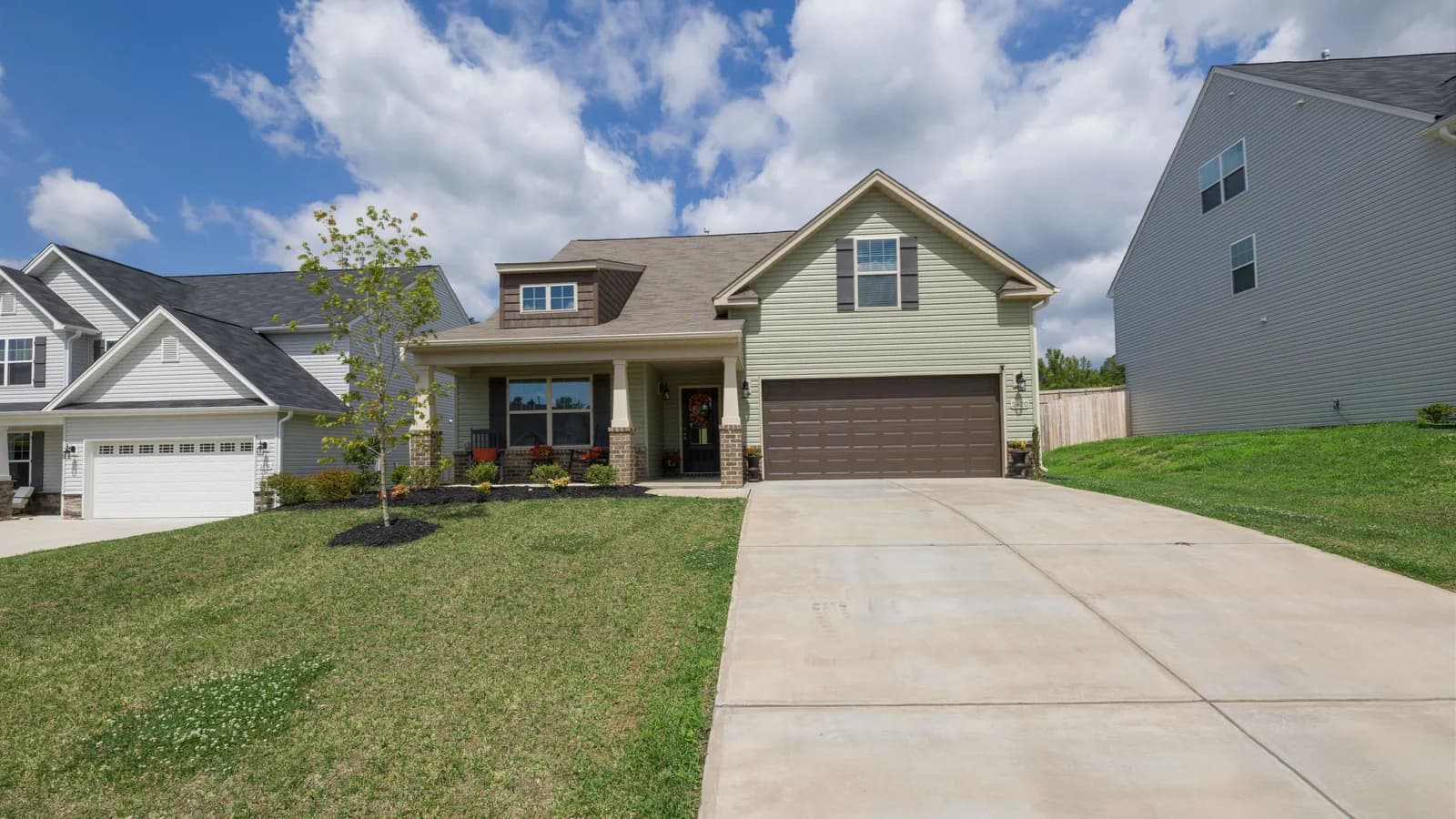
DSCR Loans on an Inherited Rental Property
Inherited a rental property? See how title, co-heir buyouts, appraisals, and existing rental income can affect a DSCR loan review before you refinance.
Quick answer
Financing an inherited rental with a DSCR loan starts with settling who legally owns and can sign for the property, since title may sit with an estate, a trust, or several heirs. It also depends on the plan, holding, buying out a co-heir, or selling, and the lender's program decides which permitted income evidence it will use.
8 min read

Photo: Scott Webb / Pexels
In this article
Inheriting a rental property can feel like receiving an asset and a complicated project at the same time. There may be tenants in place, a mortgage to pay, an estate still being administered, siblings with different plans, repairs that were deferred, and a question about whether to keep the property or sell it.
A DSCR loan may be worth exploring when the plan is to hold or refinance a non-owner-occupied rental. The property's rental income and proposed debt service are central to that review. But an inherited property also brings title, authority, and documentation questions that need answers before a loan can close.
The smart first move is not to assume a property can be refinanced just because it is valuable or occupied. Instead, separate the situation into three files: who owns and can sign for the property, what the property earns today, and what the new financing is meant to accomplish.
Start with legal authority and the intended title
An inherited home can be titled in the name of an estate, a trust, several heirs, or an individual beneficiary. The right person to sign loan and closing documents depends on that status. A personal representative, trustee, surviving owner, or beneficiary may have different authority, and that authority can be limited by court orders, trust terms, state law, or title requirements.
For financing purposes, the question is usually practical: who will own the rental at closing, and who has the legal authority to put a lien on it? A loan specialist can explain a program's eligible vesting rules, while a title company and qualified estate or real-estate attorney should confirm the ownership and signing path for the specific property.
Do not use a loan application to solve an unresolved title issue. Flag any missing deed, probate order, affidavit, trust certificate, or recorded transfer upfront. The lender, closing agent, and title insurer need the final loan documents to match the actual ownership record.
Have a property in mind? Run the DSCR numbers →
Get startedDecide whether the plan is a hold, a buyout, or a sale
Heirs can have very different goals. One person may want to keep the rental for cash flow; another may want a prompt cash distribution; another may want to sell. That decision changes the financing discussion.
| Hold and refinance | One or more owners keep the rental and replace existing debt, cover eligible closing costs, or stabilize the long-term financing. |
|---|---|
| Co-heir buyout | An heir or group of heirs may need to compensate another owner for an ownership interest. The program must be reviewed for its treatment of equity, cash-out, transfers, and required documentation. |
| Sale | If the family intends to sell soon, a new long-term loan may not fit the timeline or transaction costs. Existing loan payoff, tenant leases, repairs, and the sale plan still need to be coordinated. |
A signed family agreement helps, but it does not replace the documents a lender, title company, or tax professional needs. Keep the agreement, settlement statement, estate distribution documents, ownership records, and any payment trail organized. Avoid informal side payments that are not reflected in the closing plan.
How DSCR review looks at the rental
DSCR stands for debt-service coverage ratio. In a basic illustration, it compares rental income with the proposed monthly debt service. The lender's calculation may include principal, interest, taxes, insurance, and other items specified by the program. The exact rent source and expenses used in the ratio vary by program.
Inherited property does not automatically produce qualifying income because it has a tenant. A lender may review an in-place lease, rent roll, payment history, an appraiser's market-rent opinion, or another permitted document. If the property is vacant, newly repaired, occupied by family, subject to rent restrictions, or being used part time by an owner, explain that plainly rather than presenting it as a conventional long-term rental.
The 4Homes investment-property cash flow calculator can help organize a preliminary scenario. It is not a loan decision or appraisal. Final income treatment, value, reserves, debt service, and underwriting are determined by the lender and the selected program.
Prepare the property file before the appraisal
An appraisal may support both the property's value and an opinion of market rent. That makes condition and documentation especially important. An appraiser can observe the property and analyze market evidence, but cannot repair title gaps, establish an unapproved unit as legal, or turn an incomplete rent history into a reliable lease record.
Before applying, collect the documents that describe the property as it exists today:
- Recorded deed, estate or trust documents, and any available title information
- Existing mortgage statement, payoff information, and property-tax status
- Current lease, rent roll, deposits, and payment history for each occupied unit
- Insurance policy or binder that reflects the actual rental use and ownership
- Repair invoices, permits, inspection records, and records of material improvements
- HOA, condominium, deed, zoning, or local rental restrictions that affect the intended use
- Documentation describing a co-heir buyout, estate distribution, or planned ownership transfer
Older rentals often have uneven records. That does not always end the financing path, but it does change the questions. Be accurate about missing permits, unleased occupants, deferred maintenance, insurance claims, or known title matters. A clean explanation early is more useful than a surprise after the appraisal is ordered.
Separate inheritance questions from lending questions
Inheritance can create tax, estate, and legal questions that are outside a loan specialist's role. For example, the Internal Revenue Service explains federal tax filing and reporting considerations for survivors, executors, administrators, and beneficiaries in Publication 559.[1] That guidance does not decide whether a particular DSCR program will finance a property, and a loan approval does not answer tax or estate-planning questions.
Keep the professional roles clear. A qualified attorney can advise on authority, probate, trust terms, and ownership transfers. A tax professional can address the tax consequences of inherited property and a buyout. A title company can identify the closing and vesting requirements. A loan specialist can explain the financing documents, property eligibility, income method, reserves, and underwriting process.
Watch the existing loan, insurance, and tenant timeline
An inherited rental may still have a mortgage, insurance renewal date, tax payment, tenant lease, or estate deadline running in the background. Those dates can affect whether refinancing is realistic. A loan that is current today can still create pressure if the estate must make decisions before the lender's process, appraisal, repairs, or title work are complete.
Insurance deserves special attention. The policy should reflect the true owner and the property's actual use. If the property is vacant after a death, under repair, or occupied differently than before, coverage terms may change. Do not assume the prior owner's policy automatically fits the new situation; discuss it with a licensed insurance professional.
For non-owner-occupied rentals, the transaction may be reviewed as business-purpose credit, but actual purpose and occupancy matter. The CFPB's Regulation Z interpretation explains that credit to acquire, improve, or maintain non-owner-occupied rental property is deemed business-purpose credit, while a transaction's facts can change the analysis in other situations.[2] Be direct about whether the property is a long-term rental, vacation use, mixed use, or intended personal residence.
The 4Homes weekly email
Every Tuesday: what changed for rental owners this week, plus our newest DSCR guides.
No spam. Unsubscribe anytime.
Questions to bring to a loan specialist
- Can this program accommodate the final ownership and vesting structure planned for closing?
- What documents establish authority to borrow and sign when the property came through an estate or trust?
- How does the program treat a co-heir buyout or an ownership transfer tied to the refinance?
- Will the lender use the current lease, market-rent appraisal, payment history, or another method for the DSCR calculation?
- What happens if one unit is vacant, occupied by family, or subject to a rental restriction?
- What title, insurance, reserve, and property-condition items should be resolved before appraisal?
- Does the proposed timing work with the existing loan payoff, estate administration, tenant lease, and insurance dates?
Bring the property address, ownership documents, current lease information, any co-heir agreement, and a simple description of the goal. Review an investment-property financing scenario, explore the 4Homes DSCR program overview, or contact a 4Homes loan specialist to discuss the property. Eligibility, title, ownership, rental-income treatment, appraisal, insurance, documentation, reserves, rates, terms, and underwriting vary by program and individual facts.
The bottom line
An inherited rental can be a workable long-term investment, but financing it takes more than showing a lease and a property value. Get the ownership path clear, document the rental honestly, decide whether the goal is a hold or buyout, and address insurance and title questions before the loan process is far along. That preparation gives every professional involved a more accurate file to work from.
FAQ
Frequently asked questions
Can I get a DSCR loan on an inherited rental property?+
It may be possible if the property, ownership structure, rental-income evidence, title, and other program requirements are acceptable. The lender will need to understand who owns the property now, who will own it at closing, and who has authority to sign.
Can a DSCR refinance help buy out another heir?+
It depends on the specific program, the final ownership structure, available equity, title requirements, and how the funds are documented. Discuss the buyout plan before applying rather than assuming it will be treated like a standard refinance.
What if the inherited rental is vacant?+
A vacancy does not automatically prevent financing, but it can change the income evidence a lender will accept. Some programs may rely on an appraiser's market-rent analysis; others may have different requirements. The property's condition, intended use, and program rules matter.
Do all heirs need to be on the new DSCR loan?+
Not necessarily. The answer depends on title, estate or trust documents, the transfer plan, and the lender's rules for the final borrowing entity or owners. A title company and qualified attorney can help establish who must sign or transfer an interest.
Should I transfer inherited property into an LLC before applying?+
Do not assume an LLC is required or that a transfer is neutral. An LLC can affect title, insurance, estate administration, taxes, and lender documentation. Get legal and tax advice on the ownership decision, then ask the loan specialist whether the proposed entity is eligible under the program.
Sources
[1] https://www.irs.gov/publications/p559 — Internal Revenue Service, Publication 559: Survivors, Executors, and Administrators
[2] https://www.consumerfinance.gov/rules-policy/regulations/1026/3/ — CFPB Regulation Z §1026.3 and Official Interpretations
This article is for general education only and is not financial, legal, tax, accounting, appraisal, insurance, real-estate, or lending advice. It is not a commitment to lend or an offer of credit. Inheritance, probate, trust administration, title, ownership transfers, taxes, property eligibility, rental-income treatment, appraisal conclusions, insurance, rates, terms, reserves, and underwriting vary by property, jurisdiction, lender, program, borrower, and market conditions. Consult qualified legal, tax, insurance, title, real-estate, and lending professionals for advice about a specific property.