Housing Affordability Puts Both Parties on Notice
Strategists say younger voters’ struggles entering the market could shape the 2028 election.
Housing costs are becoming a political test for both parties after Democrats won control of Congress in the midterms. At a National Association of Realtors conference in New Orleans, Democratic strategist Donna Brazile and Republican strategist Shermichael Singleton agreed that voters are demanding relief from everyday expenses, including the cost of buying a home.
Mortgage rates rose from about 3% in 2021 to nearly 8% in late 2023, while home prices have continued increasing. Prices climbed in about 78% of U.S. metropolitan areas during the third quarter of 2026. Existing owners have gained substantial equity, but the upfront cost remains a major barrier for new buyers. First-time purchasers made up 22% of transactions, and their median age reached 40.
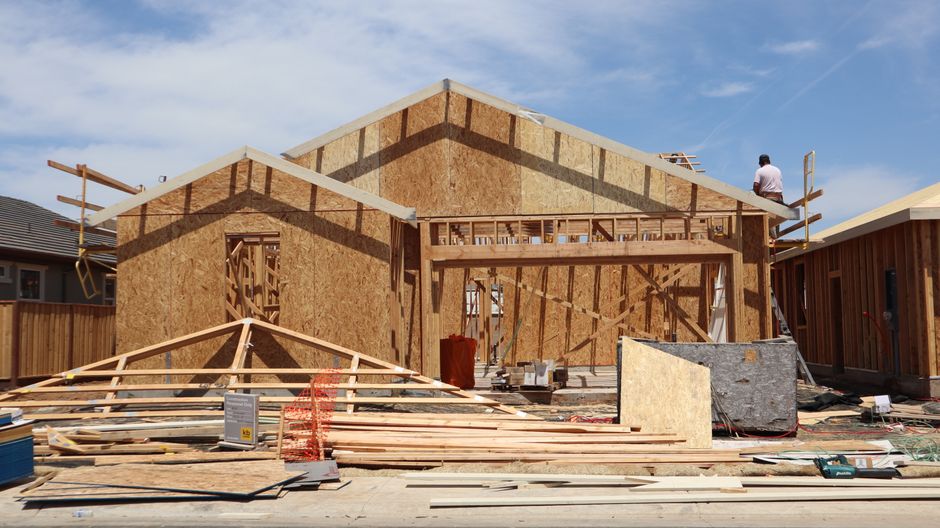
The bipartisan 21st Century ROAD to Housing Act passed in July, with strong majorities in both chambers. It seeks to increase construction by easing regulatory obstacles, widening financing options, and supporting new building methods. Implementation and funding remain ahead, and market effects may take years. Speakers also pointed to local approval delays, construction expenses, lumber tariffs, and worker shortages as areas where further cooperation could affect the supply of homes.
Why it matters: Housing costs and limited entry-level supply could influence future policy, construction activity, and the financial burden facing prospective buyers.
- Realtor.com News