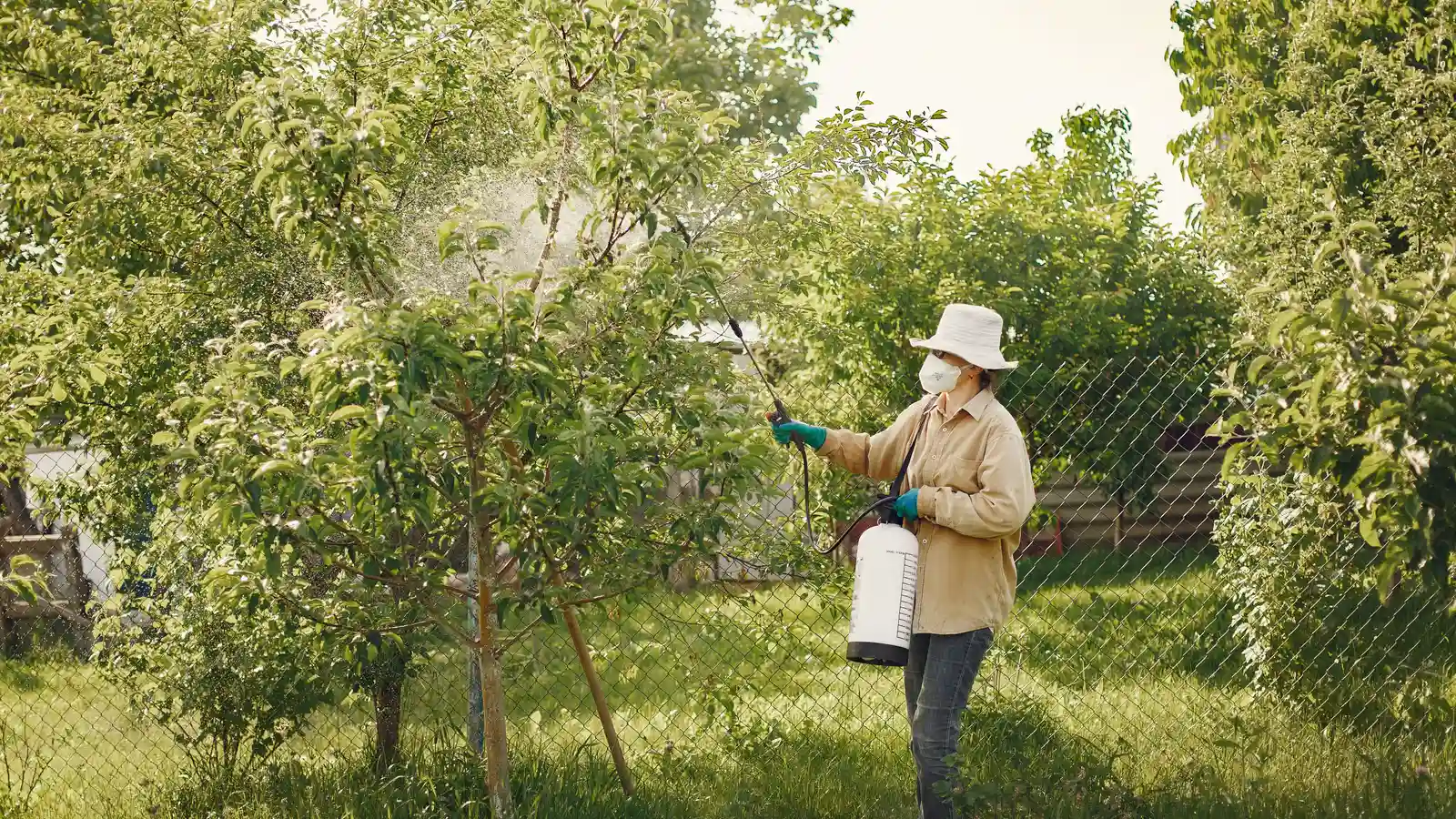
Compare providers by inspection evidence, treatment contract, exposure controls, follow-up terms, and prevention duties.
Hire a pest-control service by comparing the inspection record, treatment contract, exposure controls, and follow-up terms, not by picking the broadest promise to spray. The strongest proposal explains what evidence was found, where activity is concentrated, what can be changed without pesticides, what treatment is proposed, how exposure will be controlled, and how success will be measured.
Collect evidence without spreading the problem
Photograph the pest, droppings, damage, cast skins, nests, entry points, or trails with an object for scale. Note the room, time pattern, nearby food or water, and whether activity follows rain, heat, deliveries, travel, or construction. Save a specimen only when it can be contained safely and the service advises doing so. Do not handle bats, rodents, stinging insects, unknown spiders, or wildlife, and do not disturb droppings or nesting material without hazard-specific guidance.
Look for building clues from a safe position: food residue, pet-food storage, standing water, plumbing leaks, gaps around pipes, damaged screens, vegetation touching the structure, cardboard accumulation, and door gaps. Correcting a leak or sealing an entry can matter more than repeated treatment, but sealing too early can trap wildlife or push pests into another part of the building. Identification comes first.
Ask for an inspection-based plan
The EPA's Citizen's Guide to Pest Control and Pesticide Safety describes integrated pest management as a combination of information, monitoring, prevention, and selected controls. Ask the inspector to name the target pest, show the evidence, explain the likely source or entry, and describe why the recommended method fits its biology and location.
A useful plan separates immediate control from prevention. Immediate work might include trapping, removal, sanitation, heat, bait, dust, or a targeted liquid product where legally permitted and appropriate. Prevention might include moisture correction, food storage, exclusion, vegetation changes, or repair. Ask which tasks belong to the service, which belong to the homeowner or another trade, and which must happen before treatment.
If water is attracting pests or damaging materials, use the home water-leak plan to address the source. Pest treatment should not become a recurring substitute for a plumbing, drainage, roofing, or sanitation repair.
Compare the proposal line by line
- Target and area: the identified pest, evidence, rooms or exterior zones included, and areas not inspected.
- Method: product or nonchemical control, placement, amount or frequency as allowed by the label, and why it was selected.
- Preparation: what must be moved, cleaned, covered, removed, or left untouched before arrival.
- Exposure controls: people, children, pets, aquariums, food, gardens, wells, ventilation, and reentry instructions.
- Follow-up: return visits, monitoring devices, what improvement should look like, and when the plan changes.
- Business terms: price structure, recurring commitment, cancellation, warranty conditions, exclusions, and responsibility for repairs.
Get the pesticide product name, active ingredient, EPA registration number when applicable, and label or safety information before treatment. The label directions govern where and how a pesticide may be used. More product is not a stronger plan. Never ask a technician to ignore the allowed uses on the product label, and do not combine professional treatment with household products unless the service confirms compatibility.
Verify the company and the person doing the work
Licensing and certification rules differ by jurisdiction and pest type. Verify the company and applicator through the state or local pesticide regulator. Ask for liability insurance, the name of the person responsible for the treatment plan, and whether subcontractors will enter the home. For termites, wood-destroying organisms, wildlife, fumigation, or structural repairs, confirm any additional licenses, inspections, notices, or permits.
Ask how the company protects non-target animals, pollinators, plants, water, and neighboring property. Exterior perimeter treatment should not be sold as an automatic answer to every indoor pest. A company should be willing to narrow or defer treatment when identification is uncertain, conditions are unsafe, weather is unsuitable, or a building repair needs to happen first.
The 4Homes weekly email
Every Tuesday: what changed for homeowners this week, plus our newest guides.
No spam. Unsubscribe anytime.
Flag health and occupancy conditions early
Tell the service about infants, pregnancy, asthma or other respiratory concerns, immune vulnerability, pets, fish, birds, beehives, edible gardens, wells, and anyone who may not understand reentry restrictions. Ask a health professional or veterinarian for situation-specific advice when needed. The pesticide company controls its treatment; it does not replace medical guidance.
Leave the area for the full period stated by the label and service, and follow ventilation and cleanup directions exactly. Do not wipe away baits, dusts, or monitoring marks unless told to do so. If someone may have been exposed or becomes ill, move away from the source and contact emergency services or poison control as appropriate, using the product label and treatment record.
Measure the outcome
Agree on what will be monitored: trap counts, new droppings, fresh damage, sightings, entry activity, or another pest-specific sign. A quiet few hours after treatment may mean little. The service should explain the expected pattern and the point at which continued activity triggers reinspection, a different method, or building work.
Keep the inspection report, contract, product information, preparation sheet, treatment locations, applicator details, and follow-up notes. Recurring service should earn its place through monitoring and prevention, not exist only because a calendar says it is time to spray. The right company leaves the household knowing what the pest was, why it was there, what was done, and what would prevent the next visit.