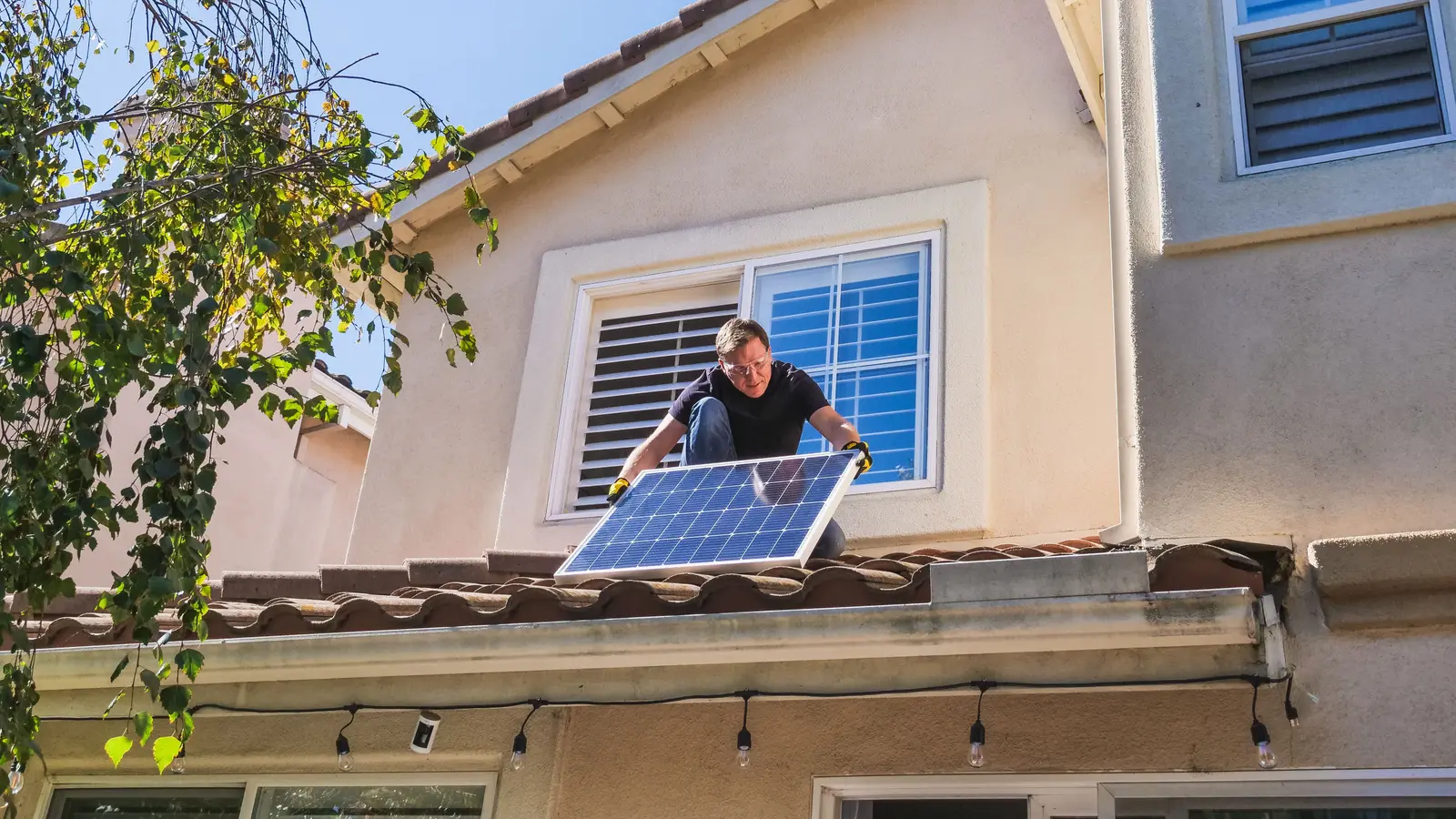
Put the roof, electric use, utility rules, production model, and contract on one page before a solar proposal becomes an obligation.
Solar is ready for a serious proposal only when four things are understood on the same page: the roof, the household's electricity use, the utility rules, and the contract. A sales estimate that skips any one of them is not a finished home decision. Start by gathering facts from the house and utility, then ask every bidder to model the same assumptions.
Open a solar decision file
Put recent electric bills, the utility rate plan, interval usage if available, roof records, main electrical panel information, and plans for major load changes in one folder. An electric vehicle, heat pump, new pool equipment, addition, or a household change can alter future use. Historical consumption is a starting point, not a command to build the largest array a salesperson can fit.
Ask the utility for the current interconnection process, export compensation, rate options, fees, system-size rules, and approval sequence that apply to the exact address. Get those terms from the utility, not only from a proposal. Solar can reduce purchased electricity under the right conditions, but the bill may retain fixed charges and other items. A system should be modeled against the actual rate structure rather than a single average price.
Let the roof answer first
Confirm the roof covering, age if known, condition, remaining service outlook, warranty terms, shade, drainage, and any structural concerns. If roof work is likely during the solar agreement or equipment life, settle how removal, storage, roof repair, and reinstallation would work. Panels should not be used to postpone a roof decision or hide a disputed condition.
Ask who is responsible for roof penetrations and what workmanship coverage applies. Have the roof evaluated by an independent qualified person when condition is uncertain. The roof repair-or-replace guide helps organize that review without treating the solar contractor as the only roof opinion.
The electrical side deserves the same attention. Document panel type and rating, service capacity questions, existing generation or storage, and the likely equipment route. Do not remove panel covers or measure energized components. Service upgrades, load calculations, code compliance, permits, utility equipment, and emergency shutdown provisions belong with qualified electricians, the local authority, and the utility.
Make every production estimate show its work
The U.S. Department of Energy's Homeowner's Guide to Going Solar covers rooftop suitability, ownership choices, bids, and the installation process. Ask each bidder to state the proposed system size, module and inverter models, layout, shading assumptions, first-year production estimate, expected change over time, software or weather data, and losses included in the model.
Compare estimates that use the same electric usage and utility assumptions. A high production number is not automatically the best design. Look for omitted shade, an unrealistic roof area, different degradation assumptions, or a forecast that quietly assumes aggressive utility-price increases. Ask what happens to the household bill if production is lower than estimated and which promises are contractual.
If battery storage is included, give it a job. Backup for selected loads, time-of-use shifting, demand management, and greater use of on-site generation are different goals. Ask which circuits are backed up, for how long under stated conditions, what loads cannot run together, where equipment will be installed, and how warranty limits treat cycling and retained capacity. “Whole-home backup” needs a written load plan.
The 4Homes weekly email
Every Tuesday: what changed for homeowners this week, plus our newest guides.
No spam. Unsubscribe anytime.
Compare the legal and financial shape
A cash purchase, loan, lease, and power purchase agreement create different ownership, payment, maintenance, tax, transfer, and end-of-term responsibilities. The Federal Trade Commission's consumer guidance on home solar recommends checking claims, contractor credentials, financing terms, and cancellation rights. Read every agreement and disclosure together, including any separate financing document.
For a purchase, identify the full installed scope and who holds each equipment and workmanship warranty. For a loan, compare cash price with financed amount, interest terms, fees, payment changes, prepayment rules, liens or security interests, and what happens if an expected tax benefit is delayed or unavailable. For a lease or power agreement, examine escalators, minimum payments, maintenance access, insurance obligations, buyout terms, transfer requirements, and removal at the end.
Do not treat a tax credit, rebate, or home-value increase as guaranteed. Eligibility depends on current law and the household's facts; a salesperson is not the household's tax adviser. Ask a qualified tax professional. Likewise, ask the homeowner insurer in writing how the system and any battery affect coverage, inspections, limits, and claims.
Check the people and the handoffs
Verify contractor licensing, insurance, complaint history, local experience, and who will actually design, permit, install, inspect, interconnect, monitor, and service the system. Get a written scope with equipment, roof work, electrical work, trenching, finish repair, permits, utility fees, schedule dependencies, payment milestones, cleanup, and change-order rules. Use the contractor quote comparison to put competing scopes into the same columns.
Before signing, run the exit test. What happens if the home is sold, refinanced, reroofed, damaged, inherited, or no longer has internet service? Who removes and reinstalls equipment? Can the agreement be transferred, and under what approval or cost? Who answers when the installer, lender, equipment maker, monitoring company, and utility disagree?
A good solar decision may be yes, no, or not until the roof is resolved. The evidence should make that answer clearer. Keep the final proposal, stamped plans, permits, inspection approval, utility permission to operate, warranties, model and serial numbers, shutdown instructions, and service contacts in the house file. The system belongs on the home only after the promises have been turned into inspectable equipment and readable obligations.